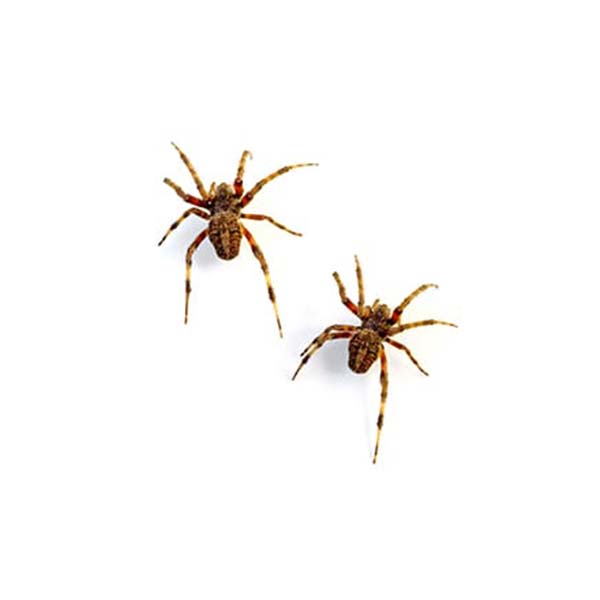
Barn Spider

Barn spider identification  - Active Pest Control
Health RiskLow
Damage RiskLow
NuisanceLow

How to Identify Barn Spiders

With their colorful, rounded bodies and intricate orb webs, barn spiders commonly inhabit gardens, wooded areas, fences, and the exterior of homes where they capture flying insects.
  • Actual Size Leg span that can reach 1 to 2 inches
  • Characteristics Robust orb-weaving spiders with rounded, patterned abdomens in shades of brown, tan, orange, or gray and long, slender legs.
  • Legs 8
  • Antennae No
  • Wings No

What Do Barn Spiders Do?

Barn spiders typically remain in their orb-shaped webs, waiting for flies, mosquitoes, moths, and other insects to become trapped.
  • They are most active at night and often remain hidden during the day near their webs or in nearby sheltered areas.
  • Barn spiders are a type of orb-weaving spider known for their large, wheel-shaped webs and beneficial role in reducing insect activity.
  • They help control insect populations by feeding on many common flying pests around homes and outdoor structures.
  • Their webs are often rebuilt or repaired regularly to keep them strong and effective for catching prey.

Where Do You Find Barn Spiders?

Because barn spiders are attracted to locations with plenty of insect activity and places to anchor their webs, they may be found around homes and buildings in areas including:
  • Barns and agricultural buildings
  • Sheds and outdoor storage structures
  • Gardens and landscaped areas
  • Around porches, decks, and patios
  • Between tree branches and shrubs
  • Along fences and exterior walls
  • Under eaves, overhangs, and roof edges
  • Near outdoor lights where insects gather

What Should I Do If I Have Barn Spiders in Georgia?

Barn spiders commonly settle in protected locations where insects are active and can build webs, which may lead to increased activity around structures. If needed, the following steps may help reduce their presence:
  • Reduce clutter in garages, sheds, and storage areas where spiders may find sheltered places to build webs.
  • Seal cracks, gaps, and openings around doors, windows, and exterior areas to limit access for spiders and insects.
  • Trim vegetation near your home, including shrubs and tree branches that may serve as web-building sites.
  • Reduce outdoor lighting when possible, since lights can attract flying insects that provide a food source for spiders.
  • Remove insect activity around your property to help reduce the food sources that attract spiders.
  • Contact a professional pest control company if barn spiders become excessive or their webs continue appearing despite prevention efforts.

Helpful Barn Spider Resources

Discover helpful information about barn spiders, including where they build webs, how they behave around structures, and prevention strategies recommended by pest control professionals.

Top 5 FAQs About Barn Spiders in Georgia

Have questions about barn spiders? Review the FAQ section below for answers, and reach out by phone or email if you need more information.
Are barn spiders dangerous?
No, they are not considered dangerous to humans. They are generally docile and rarely bite unless they are handled or threatened.
What do barn spiders eat?
Barn spiders feed on insects caught in their webs, including:
• Flies
• Mosquitoes
• Moths
• Gnats
• Other small flying insects
Are barn spiders helpful around my property?
Yes, these spiders can be beneficial because they help reduce populations of flying insects around homes, gardens, and outdoor structures.
How can I reduce barn spiders around my home?
You can reduce spider activity by removing webs, limiting insect populations, trimming vegetation, and keeping outdoor areas clean.
If they become excessive, create a nuisance, or prevention methods are not effective, a professional pest control company can help.
Are barn spiders active during the day?
Barn spiders are often more active at night when they build, repair, and monitor their webs. During the day, they may hide nearby.

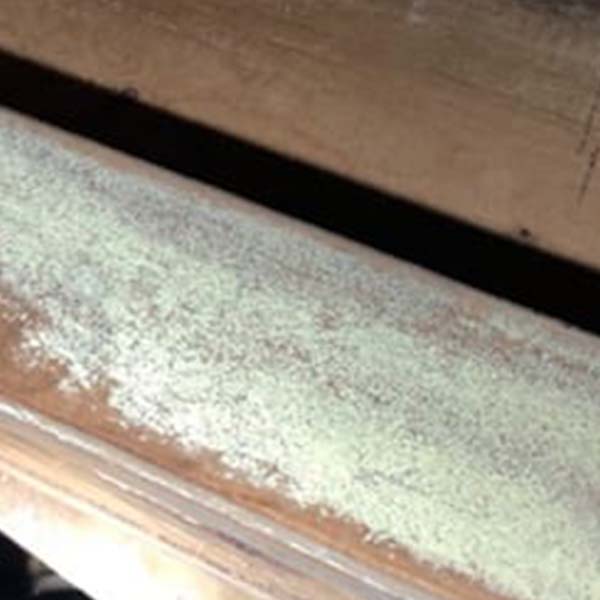
White Rot Fungi

White rot fungus information  - Active Pest Control
Health RiskNo Risk
Damage RiskMedium
NuisanceMedium to High

How to Identify White Rot Fungi

White rot fungi are destructive decay fungi that target wooden materials, gradually weakening them and leaving behind pale, fibrous, and stringy wood as deterioration spreads.
  • Growth Range White rot fungi can spread through multiple feet of wood, particularly in damp, poorly ventilated areas.
  • Characteristics They break down both cellulose and lignin, gradually weakening wood and leaving it soft, fibrous, and structurally compromised.
  • Appearance/Coloration Affected wood often appears lighter in color, sometimes bleached, with a spongy or stringy texture.

What Do White Rot Fungi Do?

White rot fungi feed on wood by digesting its internal fibers and lignin, slowly weakening beams, logs, and other wood-based materials. This process often causes noticeable decay in both indoor and outdoor wooden structures.
  • Thrivesds in moist environments, especially in poorly ventilated areas like crawl spaces, basements, and damp forests.
  • They are especially destructive to structural wood in buildings, decks, fences, and other outdoor wooden features.
  • These fungi spread through spores that land on suitable wood surfaces and begin colonizing when moisture conditions are favorable.
  • Once established, white rot fungi can significantly weaken wood integrity by breaking down both cellulose and lignin, often requiring complete removal and replacement of the affected material.

Where Do You Find White Rot Fungi?

White rot fungi are often present in damp, low-ventilation environments where wood decay is already occurring, particularly in moisture-prone structures and natural settings. Common places you’ll find white rot fungi include:
  • Damp basements with persistent moisture and untreated wood framing.
  • Crawl spaces with poor ventilation and high humidity levels.
  • Decaying hardwood logs on forest floors.
  • Moist wooded areas with fallen branches and leaf litter.
  • Leaky roof structures where water has saturated the attic wood.
  • Wooden decks and outdoor furniture are exposed to frequent rain and shade.
  • Tree trunks and standing dead trees in humid environments.
  • Soil-contact wooden posts, fences, and support beams in damp ground conditions.

What Should I Do If I Have White Rot Fungi in Georgia?

White rot fungi commonly spread across damp wood and organic debris, including structural timber, where they break down wood fibers and cause extensive material deterioration. When dealing with a white rot fungi infestation, the following steps are highly recommended:
  • Remove and dispose of heavily decayed wood that has lost structural strength.
  • Fix any moisture problems such as leaks, poor drainage, or excessive humidity.
  • Improve ventilation in enclosed spaces like basements, crawl spaces, and attics.
  • Treat nearby wood surfaces with appropriate fungicidal or wood-preserving products when suitable.
  • Replace damaged structural wood with properly treated, moisture-resistant lumber.
  • Monitor surrounding areas regularly for early signs of recurring fungal growth or moisture buildup.
  • Contact a fungi professional for a full inspection and targeted remediation plan if the infestation is widespread or affecting structural components.

Top 5 FAQs About White Rot Fungi in Georgia

If you have questions about white rot fungi and how to address their impact on wood structures, browse our frequently asked questions below. For further help, reach out by phone or email.
What causes white rot fungi to grow?
Excess moisture, poor ventilation, and untreated or exposed wood create ideal conditions for white rot fungi to develop and spread.
Are white rot fungi dangerous to my home?
Yes, it can significantly weaken structural wood over time by breaking down cellulose and lignin, leading to serious damage if left untreated.
Can white rot fungi be prevented?
Yes, prevention includes controlling moisture, improving ventilation, sealing wood, and promptly repairing leaks or water intrusion.
How is white rot fungi treated?
Treatment typically involves removing damaged wood, correcting moisture issues, and applying wood preservatives or fungicidal treatments.
Should I contact a professional for white rot fungi?
Yes, if the infestation is widespread or affecting structural components, it’s best to contact a fungi professional for a full inspection and treatment plan.

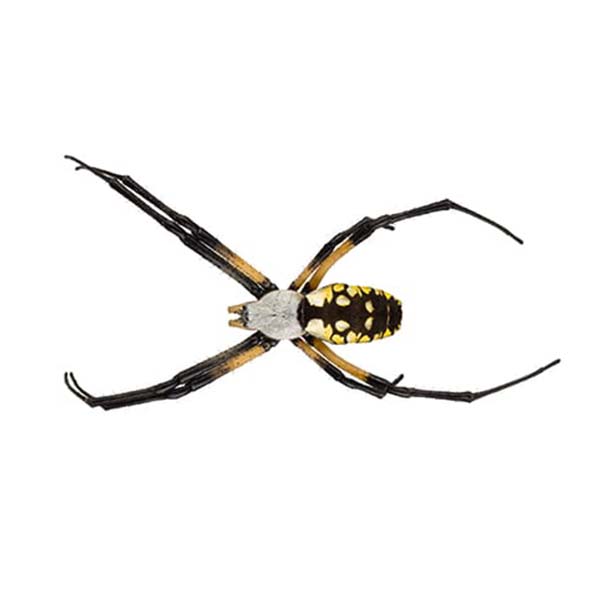
Writer Spider

Writer spider identification  - Active Pest Control
Health RiskNo Risk
Damage RiskNo Risk
NuisanceLow

How to Identify Writer Spiders

With their bright markings and strong, intricate webs, writing spiders are frequently found in sunny outdoor locations where they capture flies, mosquitoes, and other insects.
  • Actual Size Leg span of about 1 to 2 inches
  • Characteristics Writing spiders are large orb-weaving spiders with elongated bodies, bold black and yellow markings, and long, slender legs.
  • Legs 8
  • Antennae No
  • Wings No

What Do Writing Spiders Do?

Writing spiders typically remain in their large orb-shaped webs, waiting for flies, mosquitoes, moths, and other insects to become trapped.
  • They are also commonly called garden spiders because they are often found in gardens, shrubs, and landscaping.
  • They create a distinctive zigzag pattern of silk in the center of their webs, which gives them their name.
  • Female writing spiders are much larger than males and are usually the ones noticed in large webs.
  • They rebuild or repair their webs regularly to keep them strong and effective for catching prey.

Where Do You Find Writing Spiders?

Writing spiders are attracted to outdoor spaces where insects are abundant and webs can be securely anchored, making them common around homes and buildings in locations such as:
  • Gardens and flower beds
  • Around shrubs and tall plants
  • Between tree branches and vegetation
  • Along fences and railings
  • Near porches, decks, and patios
  • Around sheds and outdoor structures
  • Under roof edges and exterior overhangs
  • Near outdoor lights where insects gather

What Should I Do If I Have Writing Spiders in Georgia?

Writing spiders often choose protected outdoor areas where they create webs and capture prey, which can result in noticeable spider activity around properties. If they become a concern, try the following solutions:
  • Trim back shrubs, tall grass, and vegetation near your home to reduce web-building locations.
  • Reduce insect activity around your property by limiting outdoor lighting that attracts flying pests.
  • Clear away outdoor clutter, debris, and unused items where spiders may find shelter.
  • Seal cracks, gaps, and openings around windows, doors, and exterior areas to help prevent spider access.
  • Contact a professional pest control company if writing spiders become excessive or their webs create an ongoing nuisance.

Top 5 FAQs About Writing Spiders in Georgia

Looking for answers about writing spiders? Check the FAQ section below, and reach out by phone or email if you have more questions.
Why are they called writing spiders?
They get their name from the distinctive zigzag pattern of silk they create in the center of their webs, which some people think resembles writing.
What do writing spiders eat?
Writing spiders feed on insects that become trapped in their webs, including:
• Flies
• Grasshoppers
• Moths
• Mosquitoes
• Other small pests
Are writing spiders helpful around my property?
Yes, they can be beneficial because they help control many insects around gardens, yards, and outdoor structures. Although their large webs may be noticeable, they generally provide natural pest control.
Why do I keep seeing writing spiders around my home?
These spiders may appear when outdoor areas provide good locations for web-building and a steady supply of insects. They often choose sunny areas near vegetation, fences, and structures where prey is easy to catch.
Do writing spiders bite people?
Writing spiders rarely bite people and are not aggressive. If a bite does occur, it is usually the result of accidental contact or handling the spider. They prefer to remain in their webs and avoid confrontation.

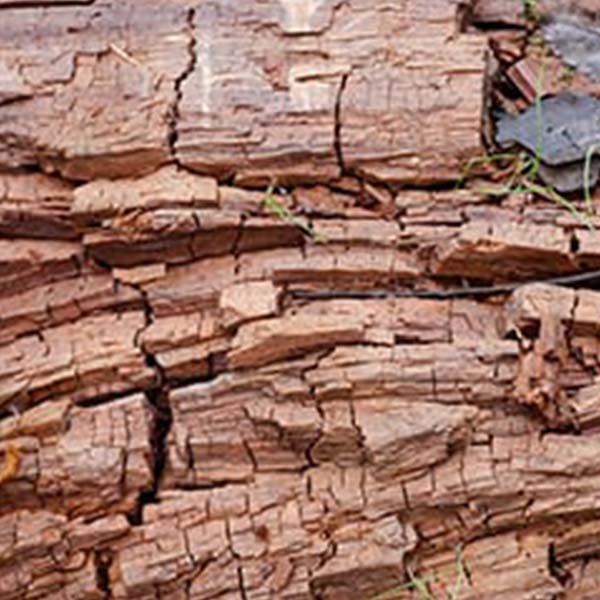
Brown Rot Fungi

Brown rot fungi identification  - Active Pest Control
Health RiskNo Risk
Damage RiskHigh
NuisanceLow

How to Identify Brown Rot Fungi

Brown rot fungi are destructive fungi that attack wooden structures, causing wood to become weakened, crumbly, and darkened as decay progresses.
  • Growth Range Colonies can extend through multiple feet of wooden material, especially in damp, poorly ventilated environments.
  • Characteristics Rapidly weakens structural wood by digesting its internal fibers, leaving it brittle and structurally unsound.
  • Appearance/Coloration Decayed wood typically becomes dark brown with a dry, fractured surface that breaks into distinct cube-shaped sections.

What Do Brown Rot Fungi Do?

Brown rot fungi consume wood by targeting its structural components, slowly decomposing beams, logs, and other cellulose-rich materials. Their activity often results in visible deterioration in buildings and outdoor wooden structures.
  • Thrives in moist environments, especially in poorly ventilated areas like crawl spaces, basements, and damp forests.
  • They are especially destructive to structural wood in buildings, decks, fences, and outdoor wooden features.
  • These fungi spread through spores that land on suitable wood surfaces and begin colonizing when moisture conditions are favorable.
  • Once established, brown rot fungi can significantly weaken wood integrity, often requiring complete removal and replacement of the affected material.

Where Do You Find Brown Rot Fungi?

Brown rot fungi typically inhabit damp, poorly ventilated spaces where wood and organic material are breaking down, especially in moisture-prone structures. Common places you’ll find brown rot fungi include:
  • Damp basements where moisture builds up, and wood framing is exposed.
  • Crawl spaces with poor ventilation and high humidity levels.
  • Rotting logs and fallen trees.
  • Wood piles that are stored outdoors without protection from rain.
  • Decaying tree stumps.
  • Leaky roof structures where moisture seeps into attics.
  • Wooden decks, fences, and outdoor structures.
  • Underground or soil-contact wooden posts and support beams.

What Should I Do If I Have Brown Rot Fungi in Georgia?

Brown rot fungi frequently spread between damp wood, structural timber, and natural forest debris, where their decay activity can lead to significant wood weakening and material damage. When brown rot fungi become a problem, the following steps are recommended:
  • Remove and discard any heavily decayed wood that has lost structural integrity.
  • Fix moisture problems such as leaks, poor drainage, or ventilation issues that are feeding the fungus.
  • Improve airflow in affected areas like basements, crawl spaces, and attics to reduce humidity.
  • Replace damaged structural wood with new, properly treated lumber to prevent further spread.
  • Monitor nearby wood regularly for early signs of recurring decay or moisture buildup.
  • Contact a fungi professional for a thorough inspection and targeted treatment plan if the infestation is widespread or affecting structural components.

Top 5 FAQs About Brown Rot Fungi in Georgia

If you have questions about brown rot fungi and how to address their impact on wood structures, browse our frequently asked questions below. For further help, reach out by phone or email.
What causes brown rot fungi to grow?
Excess moisture, poor ventilation, and untreated or exposed wood create ideal conditions for brown rot fungi to develop and spread.
Are brown rot fungi dangerous to my home?
Yes, it can significantly weaken structural wood over time, leading to serious damage if left untreated.
Can brown rot fungi be prevented?
Yes, prevention includes controlling moisture, improving ventilation, sealing wood, and promptly repairing leaks or water intrusion.
How is brown rot fungi treated?
Treatment typically involves removing damaged wood, correcting moisture issues, and applying wood preservatives or fungicidal treatments.
Should I contact a professional for brown rot fungi?
Yes, if the infestation is widespread or affecting structural components, it’s best to contact a fungi professional for a full inspection and treatment plan.

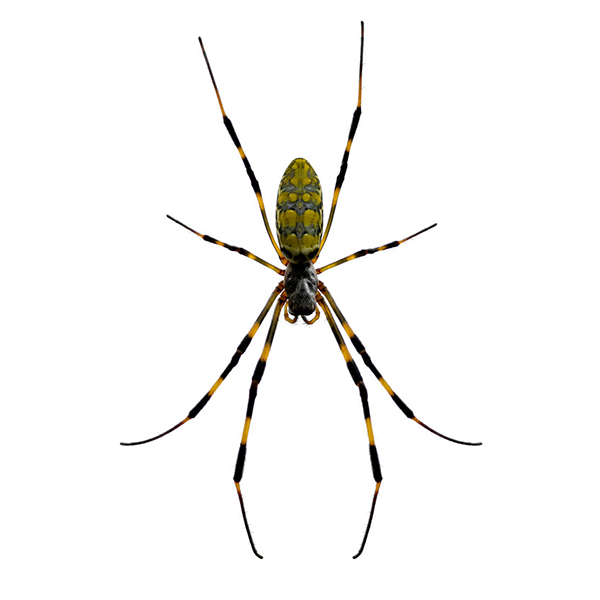
Joro Spider

Joro spider identification  - Active Pest Control
Health RiskNo Risk
Damage RiskLow
NuisanceHigh

How to Identify Joro Spiders

With their distinctive markings and large, strong webs, Joro spiders are frequently seen in outdoor areas near homes and structures where they wait for prey.
  • Actual Size 3 to 4 inches leg span
  • Characteristics Large orb-weaving spiders recognized by their vibrant colors, striped legs, and rounded abdomen with yellow, black, and gray patterns.
  • Legs 8
  • Antennae No
  • Wings No

What Do Joro Spiders Do?

Joro spiders are web-building spiders that create strong, expansive webs to capture insects, helping reduce populations of flies, mosquitoes, and other flying pests.
  • They can grow to have a leg span of about 3 to 4 inches, making them one of the larger spiders commonly seen around homes and gardens.
  • Joro spiders build large, circular webs that can stretch several feet across and are often found between trees, shrubs, fences, and structures.
  • They are originally from East Asia but have expanded into parts of the United States after being introduced accidentally.
  • Although their size and appearance can be intimidating, Joro spiders are generally considered harmless and pose little risk to people or property.

Where Do You Find Joro Spiders?

Joro spiders are typically found in open outdoor spaces where they can build large webs and capture insects. Common areas where they may appear around homes include:
  • Between tree branches, shrubs, and tall vegetation
  • Around gardens and landscaped areas
  • Along fences, decks, and outdoor structures
  • Near porches, patios, and home exteriors
  • Between trees and other elevated areas
  • Around sheds, barns, and outdoor buildings
  • Near outdoor lights that attract insects
  • In yards, wooded areas, and natural spaces

What Should I Do If I Have Joro Spiders in Georgia?

Joro spiders may build webs around homes and structures where they have access to food sources and support for their webs. If activity becomes a problem, the following steps can help:
  • Remove large webs around your property to discourage them from staying in the area.
  • Trim back trees, shrubs, and vegetation near structures to reduce areas where spiders can build webs.
  • Clear outdoor debris, stacked wood, and clutter around your home’s exterior.
  • Reduce insect activity around your property by limiting outdoor lighting that attracts flying pests.
  • Seal gaps and openings around doors, windows, and exterior areas to help prevent spiders and insects from entering.
  • Contact a professional pest control company if Joro spider activity becomes excessive or difficult to manage.

Top 5 FAQs About Joro Spiders in Georgia

Looking for answers about Joro spiders? Start with the FAQ section below, then give us a call or send an email if you have more questions.
Are Joro spiders dangerous?
No, these spiders are not considered dangerous to humans. They are generally shy and prefer to avoid contact with people.
What do Joro spiders eat?
Joro spiders feed on flying insects such as flies, mosquitoes, moths, and other small pests that become trapped in their webs.
Why do Joro spiders build such large webs?
Their large webs help them capture more flying insects and provide a secure place to rest and feed.
Are Joro spiders invasive?
These spiders are not native to the United States. They originated in East Asia and have expanded into parts of the U.S.
How can I prevent Joro spiders around my home?
You can reduce Joro spider activity around your property by taking a few simple prevention steps, including:
• Remove large webs around your property to discourage spiders from staying in the area.
• Trim trees, shrubs, and vegetation near structures where spiders may build webs.
• Limit outdoor lighting that attracts flying insects, which can provide a food source.
• Reduce insect activity around your home through proper pest management.
• Keep outdoor areas clean by removing debris, clutter, and other potential hiding spots.

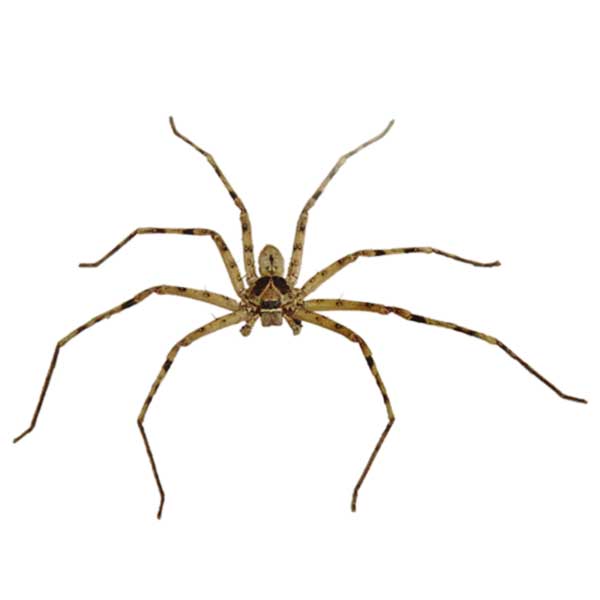
Huntsman Spider

an example of a huntsman spider shown in detail
Health RiskLow
Damage RiskNo Risk
NuisanceMedium

How to Identify Huntsman Spiders

With their mottled brown or gray bodies and long, crab-like legs, huntsman spiders are often found in low-traffic areas of homes and structures where they stay hidden and still.
  • Actual Size 3 to 6 inch leg span
  • Characteristics Large, brown to gray spider with a flattened, broad body and long, laterally extended legs.
  • Legs 8
  • Antennae No
  • Wings No

What Do Huntsman Spiders Do?

Huntsman spiders in homes and buildings typically hunt rather than build webs, using quick movement to catch flies, mosquitoes, and other insects.
  • They are active hunters that use speed and stealth to catch insects like cockroaches, flies, and moths.
  • Their bodies are typically flattened, which helps them hide in tight spaces such as under bark or behind objects.
  • Females often guard their egg sacs and may show defensive behavior if disturbed.
  • Despite their large size, huntsman spiders are not considered dangerous to humans in most cases.

Where Do You Find Huntsman Spiders?

Since huntsman spiders favor low-activity, protected areas, they are commonly found around homes in garages, attics, and secluded interior spaces, including:
  • Behind bark on trees and large outdoor shrubs
  • Under rocks and flat stones in gardens or yards
  • Inside garages and storage sheds
  • Along ceilings and walls inside homes
  • Behind furniture, picture frames, and stored boxes
  • In attics and upper storage spaces
  • Around door frames, window edges, and wall cracks
  • Inside outdoor structures like carports, barns, and woodpiles

What Should I Do If I Have Huntsman Spiders in Georgia?

Huntsman spiders often move into sheltered areas where food sources like insects are available, allowing them to show up in multiple parts of a structure. If activity becomes a problem, the following steps may help:
  • Declutter garages, basements, and storage areas to reduce potential hiding places for spiders.
  • Seal gaps, cracks, and entry points around doors, windows, and foundations to prevent access.
  • Clear away outdoor debris, stacked wood, and stored items close to the home’s exterior.
  • Trim back vegetation near walls, windows, and entryways to limit spider access routes.
  • Increase lighting and airflow in dark, unused, or low-traffic areas of the home.
  • Contact a professional pest control service if huntsman spider activity continues or becomes difficult to manage.

Top 5 FAQs About Huntsman Spiders in Georgia

Questions about huntsman spiders? Check the FAQ section below, and feel free to contact us by phone or email if you need more support.
Do huntsman spiders build webs?
No. Huntsman spiders do not rely on webs to catch prey. They are active hunters that chase down insects.
What do huntsman spiders eat?
They feed on insects such as cockroaches, flies, moths, and other small arthropods.
Why do huntsman spiders come inside homes?
They may enter homes in search of shelter, warmth, or prey insects, especially during extreme weather conditions.
Can huntsman spiders bite?
Yes, but bites are rare and usually occur only if the spider is threatened or handled. The effects are typically mild and temporary.
How can I reduce huntsman spiders around my home?
You can reduce clutter, seal entry points, limit insect activity, and remove outdoor debris. Professional pest control can help if activity becomes persistent.

Firebrat

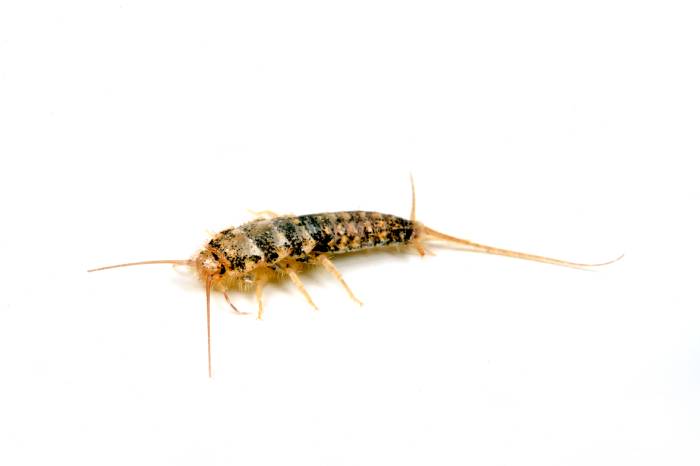
Firebrat on white
Firebrat on white
Health RiskNo Risk
Damage RiskLow
NuisanceMedium

How to Identify Firebrats

Firebrats can be identified by their elongated, flattened bodies with brownish-gray coloring, long antennae, and three tail-like appendages. They are commonly found in warm, dark areas such as attics, basements, and utility spaces.
  • Actual Size Approximately 12 to 19 mm in length
  • Characteristics Small, wingless pests with elongated, flattened bodies, brownish-gray coloring, long antennae, and three tail-like appendages.
  • Legs 6
  • Antennae Yes
  • Wings No

What Do Firebrats Do?

Firebrats typically stay concealed in dark, protected areas and may emerge from gaps, voids, and other hiding places to travel through quiet areas of homes.
  • Firebrats are most active at night and typically hide during the day in cracks, gaps, and other protected spaces.
  • They feed on starchy materials and may damage items such as books, wallpaper, paper products, and stored fabrics.
  • They move quickly and use their long antennae to navigate dark, hidden areas.
  • Firebrats can survive in warm, dry environments where other moisture-loving pests may not thrive.

Where Do You Find Firebrats?

These insects are commonly found in warm, secluded environments where they travel through wall voids, cluttered areas, and stored household materials. Common places you’ll find firebrats include:
  • Near furnaces, boilers, and heating systems
  • Attics and warm storage areas
  • Basements and utility rooms
  • Around water heaters and pipes
  • Inside wall voids and cracks
  • Garages, sheds, and storage spaces
  • Behind appliances and in dark cabinets
  • Near books, paper products, and stored materials

What Should I Do If I Have Firebrats in Georgia?

While firebrats do not pose a serious health risk, they may become an unwanted pest when they appear indoors in warm, hidden areas. If you are experiencing firebrat activity, the following steps may help:
  • Seal cracks, gaps, and openings around walls, windows, doors, and utility entry points to limit access.
  • Store books, paper products, clothing, and other materials in sealed containers to help prevent damage.
  • Reduce excess moisture and improve ventilation in areas where firebrats are active.
  • Keep warm, hidden areas such as utility rooms, attics, and storage spaces clean and regularly inspected.
  • Repair leaks around pipes, sinks, and appliances to reduce conditions that support firebrat activity.
  • Contact a professional pest control company if firebrat activity continues or becomes difficult to manage.

Top 5 FAQs About Firebrats in Georgia

Looking for answers about firebrats? Check out the frequently asked questions below, and contact us by phone or email with any additional concerns.
Are firebrats dangerous?
No, these insects are not considered dangerous to people. They do not bite, sting, or spread diseases, but they can become a nuisance when they appear indoors.
What do firebrats eat?
Firebrats feed on starchy materials and may consume a variety of household items, including:
• Paper products
• Books and cardboard
• Wallpaper and glue
• Fabrics and stored clothing
• Food crumbs and dried materials
Do firebrats damage property?
Yes, they can cause minor damage by feeding on items that contain starches or carbohydrates. They may damage books, paper products, wallpaper, fabrics, and other stored materials over time.
How can I prevent firebrats around my home?
You can help reduce firebrat activity by sealing entry points, reducing clutter, storing materials properly, and keeping warm storage areas clean. Lowering excess moisture and removing potential food sources can also make your home less attractive to these pests.
How can I get rid of firebrats?
Reducing hiding places, sealing cracks, and removing food sources can help control their activity. If firebrats continue to appear or become difficult to manage, a professional pest control company can inspect your home and recommend effective treatment options.

Asian Lady Beetle

Asian lady beetle information - Active Pest Control
Health RiskLow
Damage RiskNo Risk
NuisanceLow

How to Identify Asian Lady Beetles

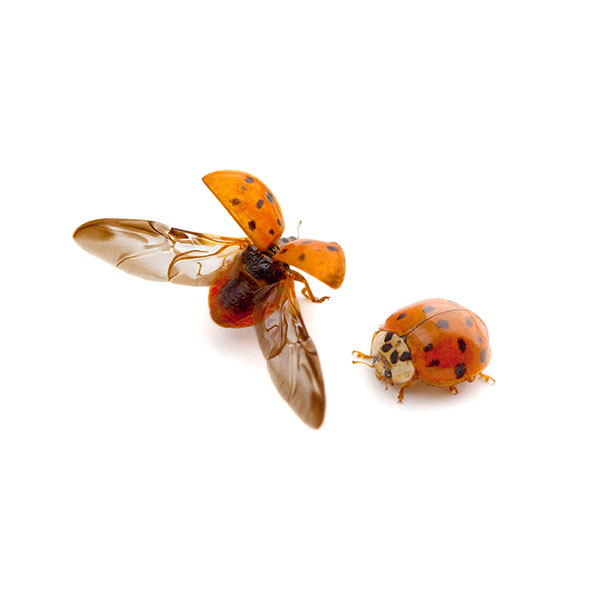
These insects are known for their rounded, compact bodies, protective outer wing covers, and strong jaws adapted for chewing.
  • Actual Size 5 to 8 mm
  • Characteristics Small, dome-shaped beetles with hard bodies, typically orange or reddish with black spots, known for crawling and flying, especially when temperatures change.
  • Legs 6
  • Antennae Yes
  • Wings Yes, with hardened forewings that protect a second pair of wings used for flight

What Do Asian Lady Beetles Do?

These insects are attracted to plants, pests like aphids, and sweet substances, and while feeding, they can move across various surfaces, occasionally entering homes in large numbers.
  • Asian lady beetles are a widespread species of beetle found in many regions and are known for their ability to adapt to both outdoor and indoor environments.
  • They are most active when searching for food, primarily feeding on aphids and other soft-bodied insects found on plants and trees.
  • While they do not typically spread disease, Asian lady beetles can create annoyance when they cluster in large numbers indoors and leave behind stains or odors.
  • Their ability to move between outdoor vegetation and indoor structures makes them a frequent seasonal invader in residential areas.

Where Do You Find Asian Lady Beetles?

These insects often appear in areas with abundant plant life and prey such as aphids, and they become more noticeable during warm weather or when temperatures begin to drop. Places you’re likely to encounter Asian lady beetles include:
  • Gardens and flower beds
  • Trees and shrubs in landscaped areas
  • Meadows and grassy outdoor spaces
  • Exterior walls of homes and buildings
  • Window frames and sunny siding surfaces
  • Attics and wall voids when overwintering indoors
  • Window sills and indoor light sources
  • Rooflines and eaves

What Should I Do If I Have Asian Lady Beetles in Georgia?

Asian lady beetles may create sanitation concerns when they move from outdoor plant environments into homes, particularly during seasonal changes when they seek overwintering sites. If Asian lady beetles are becoming a problem, the following steps are recommended:
  • Inspect your home and property for entry points such as cracks, gaps, and damaged screens, and seal them properly to help prevent Asian lady beetles from entering.
  • Remove outdoor attractants such as excess vegetation, leaf litter, and sheltered areas near the home where Asian lady beetles may congregate.
  • Improve moisture and climate control indoors by sealing openings around windows, doors, and siding where beetles often enter during seasonal shifts.
  • Vacuum up any beetles that enter the home instead of crushing them, as they can release a strong odor when disturbed.
  • Contact a professional pest control service if Asian lady beetle activity becomes persistent, as they can provide targeted treatment and long-term control solutions.

Top 5 FAQs About Asian Lady Beetles in Georgia

Got questions about Asian lady beetles? Begin with our FAQ section below, and contact us by phone or email if you need more help.
Are Asian lady beetles the same as ladybugs?
They are closely related and look similar, but Asian lady beetles are more likely to enter homes in large numbers and may have slightly different color patterns.
Why do Asian lady beetles come into houses?
They enter buildings in the fall seeking warm, sheltered places to overwinter, often gathering on sunny exterior walls before moving inside.
Are Asian lady beetles harmful?
They are not dangerous to humans, but they can bite, release a foul-smelling fluid, and become a nuisance when indoors.
How can I prevent Asian lady beetles from entering my home?
Seal cracks and gaps, repair screens, and weatherproof doors and windows to reduce entry points.
How do I get rid of Asian lady beetles indoors?
Vacuuming is the best method for their removal. For large or recurring infestations, professional pest control may be needed.

Argentine Ant

Argentine ant - Active Pest Control
Health RiskMedium
Damage RiskHigh
NuisanceHigh

How to Identify Argentine Ants

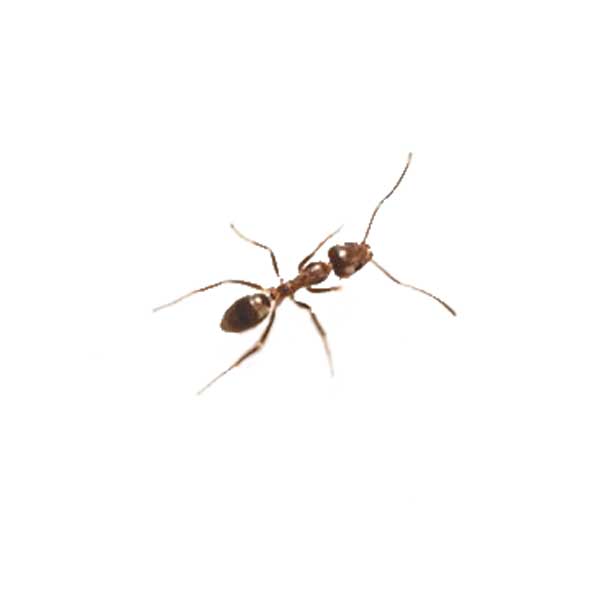
Argentine ants are colony-based insects known for their coordinated foraging habits, smooth brown bodies, and ability to travel in large visible trails.
  • Actual Size 2.2 to 2.8 mm
  • Characteristics Small ants with slender segmented bodies, a narrow waist, and light to dark-brown coloration.
  • Legs 6
  • Antennae Yes
  • Wings Only the reproductive ants develop wings

What Do Argentine Ants Do?

Argentine ants consume a variety of foods, including sweets, oils, pet food, and insect honeydew. Their constant foraging activity often brings them indoors, where they may spread germs across countertops, cabinets, and pantry spaces.
  • Small social insects that live in large interconnected colonies that can range from thousands to millions of individuals, depending on conditions.
  • These ants are known for forming supercolonies, where multiple nests cooperate and function as one large, unified system.
  • They are highly active foragers and move in long, organized trails that connect nesting sites to food and water sources.
  • These ants are strongly attracted to moisture and are commonly found near sinks, bathrooms, kitchens, and outdoor irrigation areas.

Where Do You Find Argentine Ants?

This species of ant are frequently encountered in and around structures where accessible food sources exist, especially sweet liquids and protein-based foods, and they become more noticeable in warm, damp weather. Common places you’ll find ants include:
  • Kitchen counters and food prep areas
  • Pantry shelves and stored food containers
  • Behind baseboards and wall voids
  • Under sinks and around plumbing leaks
  • Bathrooms and other damp indoor areas
  • Inside wall cavities and insulation spaces
  • Attics and upper levels of buildings
  • Around windows and door frames
  • Outdoor wood piles, mulch, and decaying vegetation
  • Under rocks, logs, and landscape debris in yards

What Should I Do If I Have Ants in Georgia?

Argentine ants frequently forage between outdoor environments and indoor structures, which allows them to carry and spread bacteria as they move. When facing an ant issue, the following steps are highly recommended:
  • Inspect your home for entry points such as cracks, gaps, and utility openings, and seal them to block access.
  • Store all food, especially sweets and pet food, in sealed airtight containers.
  • Eliminate standing water and fix leaks under sinks, around pipes, and in bathrooms.
  • Reduce moisture around your home by improving drainage and ventilation where needed.
  • Contact a professional pest control service for targeted treatment and long-term control.

Top 5 FAQs About Argentine Ants in Georgia

If you’re looking for more information about Argentine ants, the FAQs below are a great place to start. If you still need assistance, reach out by phone or email.
Why do I have Argentine ants in my Georgia home?
They typically enter homes in search of food and water, especially during warm or dry weather when outdoor resources become limited.
Are Argentine ants dangerous?
They are not dangerous in terms of biting or stinging, but they can contaminate food and become a persistent nuisance.
How do Argentine ants get inside?
They enter through tiny cracks, gaps in foundations, spaces around windows and doors, and openings around plumbing or utility lines.
Why do Argentine ants form long trails?
They use pheromone trails to communicate, allowing large numbers of ants to efficiently follow the same paths to food and water sources.
How can I get rid of Argentine ants?
Effective control usually involves eliminating food and moisture sources, sealing entry points, and using targeted treatments. In most cases, professional pest control is recommended.

Skunk

Skunk identification - Active Pest Control
Health RiskMedium
Damage RiskLow
NuisanceMedium

How to Identify Skunks

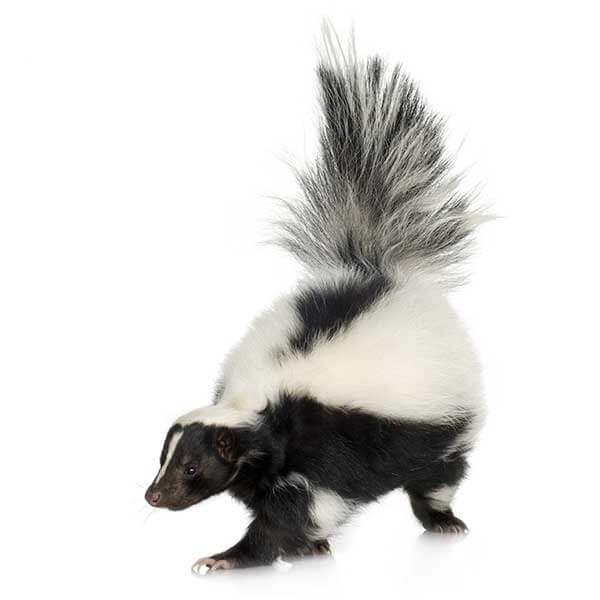
Skunks are slow-moving, ground-dwelling mammals recognized for their bold black-and-white coloring and strong defensive spray, often roaming through fields, brush, and suburban areas in search of food.
  • Actual Size 20 to 30 inches in length, including the tail
  • Characteristics Medium-sized ground-dwelling mammal known for its slow, deliberate movement and habit of foraging at night for insects, grubs, and small food sources.
  • Coloration Black fur with distinctive white stripes running along the back and tail.

What Do Skunks Do?

Skunks are nocturnal mammals that feed on insects, larvae, and plant material, and are commonly found in rural and suburban areas with accessible food sources. Their consistent foraging behavior takes them through lawns, fields, and lightly wooded areas.
  • Their most famous defense mechanism is spraying a strong-smelling liquid to deter predators.
  • They often dig shallow holes in lawns while searching for insects like beetles and larvae.
  • Skunks commonly den under porches, sheds, decks, and in abandoned burrows.
  • Despite their reputation, skunks play a beneficial role in controlling insect and rodent populations.

Where Do You Find Skunks?

Skunks are frequently found in rural areas, suburban lawns, and mixed landscapes where they can forage for insects and other food near the ground. Common places you’ll find skunks include:
  • Suburban neighborhoods with accessible food sources and shelter
  • Rural fields and farmlands
  • Residential yards with decks, sheds, and porches
  • Parks and green spaces in or near communities
  • Brushy field edges and hedgerows
  • Areas under buildings, such as crawl spaces and foundations
  • Overgrown lots with tall grass and debris

What Should I Do If I Have Skunks in Georgia?

Skunks are commonly found in outdoor areas like residential neighborhoods and wooded properties, where they may den beneath structures, and create concerns for homeowners. If you are experiencing skunk activity on your property, the following steps are recommended:
  • Use tightly sealed trash cans or wildlife-resistant bins to prevent access to food waste.
  • Eliminate outdoor food sources like pet food, fallen fruit, and bird seed.
  • Close off access under decks, sheds, and crawl spaces to stop denning behavior.
  • Install buried fencing to help prevent skunks from digging under structures.
  • Set up motion-activated lights or sprinklers to deter nighttime skunk activity.
  • Inspect yard edges for burrows, especially near foundations and outdoor structures.
  • Reach out to wildlife control professionals for safe and effective skunk removal if issues continue.

Top 5 FAQs About Skunks in Georgia

If you have questions about skunks and available removal options, review our FAQ section below. If you have additional questions, contact us by phone or email.
Why do skunks spray?
Skunks spray a strong-smelling liquid as a defense mechanism when they feel threatened or cornered.
Are skunks dangerous to humans?
Skunks are not usually aggressive, but they can carry parasites and diseases such as rabies in rare cases.
How can I tell if I have skunks on my property?
Signs include a strong odor, small dug holes in the yard, overturned trash, and nighttime activity near structures.
How do skunks get under houses?
They often enter through open or damaged areas under decks, sheds, crawl spaces, or foundations.
How can I keep skunks away?
Secure trash, remove food sources, seal entry points, and contact wildlife control for persistent problems.