Pine Snake

Pine Snake - Active Pest Control
Health RiskLow
Damage RiskNo Risk
NuisanceLow

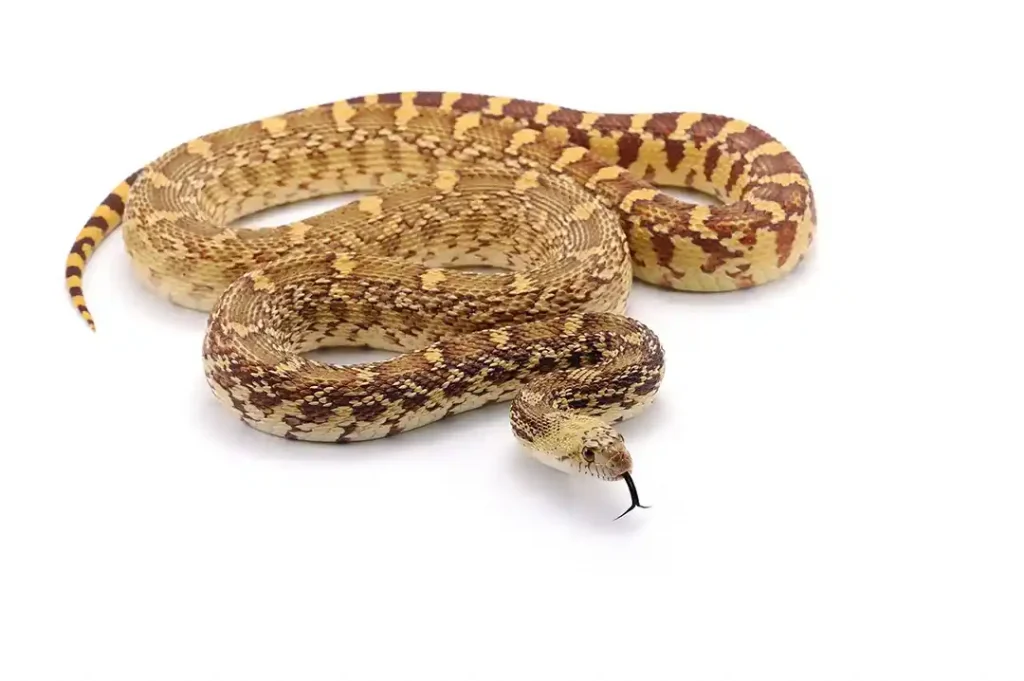
How to Identify Pine Snakes

Nonvenomous reptiles with thick bodies and earthy, mottled coloration, commonly associated with pine forests, scrublands, and open sandy areas.
  • Actual Size 4 to 6 feet long
  • Characteristics Nonvenomous, large, heavy-bodied reptiles often found in dry, sandy habitats such as pine forests and open woodlands.
  • Coloration Typically light brown, tan, or yellowish with dark blotched or saddled patterns along the back.

What Do Pine Snakes Do?

Primarily hunt small mammals and occasionally ground-nesting animals, and are most commonly associated with upland pine forests and sandy, open environments. While searching for food, they may be spotted moving through brushy or rural edge habitats.
  • Excellent burrowers and often use underground tunnels or abandoned rodent burrows for shelter.
  • Known for producing loud hissing sounds when threatened, which can make them appear more intimidating than they are.
  • They use constriction to subdue prey, wrapping around small animals before consuming them.

Where Do You Find Pine Snakes?

Commonly seen in open woodlands and pine barrens, where loose soil and ground cover provide shelter for burrowing and hunting small prey. Common places you’ll find pine snakes include:
  • Pine barrens with sandy soil and sparse vegetation
  • Dry pine forests and upland woodlands
  • Open scrublands with loose, well-drained soil
  • Abandoned rodent burrows in rural or forested areas
  • Sandy fields and agricultural edges near woodlands
  • Forest clearings with fallen logs and leaf litter
  • Overgrown brush piles and natural debris areas
  • Rural property edges bordering pine forest habitats

What Should I Do If I Have Pine Snakes in Georgia?

Commonly found in forested and sandy environments like pine barrens and brushy uplands, but they can occasionally be spotted near properties adjacent to these areas. If pine snakes are causing concern, the following actions are recommended:
  • Keep your yard clean and remove brush piles, logs, and debris that can provide shelter.
  • Seal gaps, cracks, and openings in foundations, sheds, and crawl spaces to prevent snakes from entering structures.
  • Store firewood and building materials off the ground and away from the home to limit potential shelter areas.
  • Reduce rodent activity around your property, since rodents are their primary food source.
  • Avoid handling or attempting to move them, as they may defend themselves when threatened.
  • Contact a professional pest control service if pine snakes are frequently appearing near your home or causing concern.

Top 5 FAQs About Pine Snakes in Georgia

Have questions about pine snakes or how to respond if one shows up? Check out the FAQ section below first, and contact us by phone or email for further assistance.
Are pine snakes dangerous to humans?
No, pine snakes are not dangerous. They are nonvenomous and generally avoid human contact whenever possible.
Are pine snakes aggressive?
They are not naturally aggressive but may hiss loudly, vibrate their tails, or strike defensively if threatened.
Do pine snakes enter homes?
It is uncommon, but they may occasionally wander near homes located close to their natural habitat while searching for food or shelter.
How do pine snakes behave when threatened?
They often try to intimidate predators by hissing, flattening their bodies, and making sudden movements, but they usually prefer to escape.
When should I contact professional pest control for pine snakes?
You should contact a professional if pine snakes are frequently appearing near your home, entering structures, or if you need removal assistance.

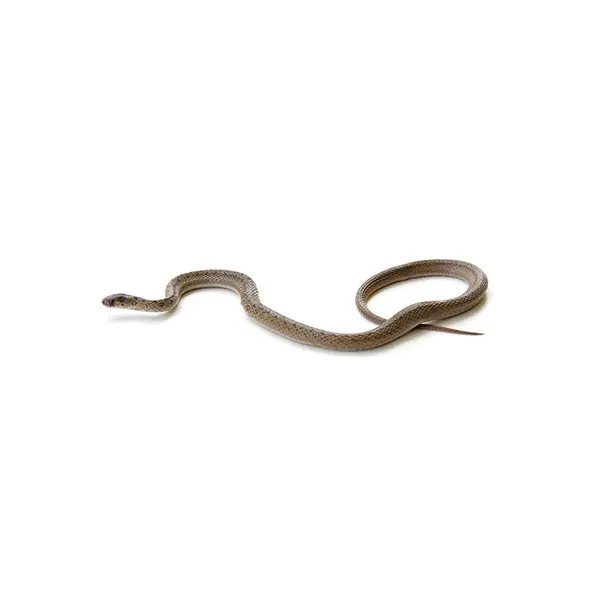
Brown Snake

Brown snake on a white background | Active Pest Control serving Calhoun, GA
Health RiskLow
Damage RiskNo Risk
NuisanceLow

How to Identify Brown Snakes

Small, nonvenomous terrestrial reptiles recognized by their slender bodies, brown to gray coloration, and preference for moist environments such as yards, gardens, and wooded areas.
  • Actual Size 9 to 15 inches in length
  • Characteristics Small reptiles that are often found under logs, rocks, and leaf litter in wooded and residential areas.
  • Coloration Brown to grayish-brown with subtle darker markings that may fade over time.

What Do Brown Snakes Do?

Brown snakes feed on insects, snails, and other small invertebrates and are commonly encountered in moist habitats such as gardens, parks, and forest floors. Their search for food can occasionally bring them into backyard spaces.
  • They are secretive and spend much of their time hidden under logs, rocks, leaf litter, mulch, or debris.
  • These snakes are harmless to humans and rarely bite, even when encountered or handled.
  • Beneficial to the environment because they help control pest populations like slugs and insects.
  • They are commonly known as De Kay’s brown snakes, named after the American zoologist James Ellsworth De Kay.

Where Do You Find Brown Snakes?

Commonly found in damp habitats with abundant ground cover, where they can hunt for invertebrates and shelter beneath rocks and vegetation. Common places you’ll find brown snakes include:
  • Under leaf litter in wooded forests
  • Beneath logs and fallen branches
  • Mulch beds in residential gardens
  • Rock piles and stone walls
  • Shaded, damp areas in suburban yards
  • Parks with dense ground cover and moisture
  • Around compost piles and garden debris
  • Damp basements or crawl spaces near natural habitats

What Should I Do If I Have Brown Snakes in Georgia?

Frequently encountered in moist, shaded areas around homes and parks, where they may cause concern due to their appearance. If you are concerned about brown snakes, the following steps are recommended:
  • If the snake cannot be confidently identified, treat it with caution until a professional can determine the species.
  • Keep a safe distance and avoid attempting to handle or corner the snake.
  • Remove debris, leaf litter, logs, and other potential hiding places around yards and garden areas.
  • Keep grass, mulch, and vegetation trimmed and well-maintained to reduce shelter areas.
  • Seal gaps, cracks, and crawl space openings that could allow snakes to enter structures.
  • Avoid reaching into dark or concealed areas where a snake may be hiding.
  • Contact a professional pest control service if brown snakes are repeatedly appearing in high-traffic areas or causing ongoing concerns.

Top 5 FAQs About Brown Snakes in Georgia

Have questions about brown snakes and how to handle them? Review the FAQ section below, then reach out by phone or email for further assistance.
Are brown snakes dangerous to people or pets?
No, they are harmless and actually beneficial because they help control pest populations in yards and gardens.
What should I do if I find a brown snake?
In most cases, it’s best to leave it alone, as it is harmless and will usually move on on its own.
Are brown snakes ever confused with copperhead snakes?
Yes, they can sometimes be mistaken for copperheads due to their brown coloration, but brown snakes are much smaller, harmless, and lack the copperhead’s hourglass pattern.
How can I prevent brown snakes from appearing near my home?
Reduce moisture, remove debris piles, keep grass trimmed, and limit hiding spots like dense mulch or cluttered yard materials.
When should I contact professional pest control for brown snakes?
Contact professional pest control if brown snakes keep appearing around your home or getting inside structures.

Canebrake Rattlesnake

Canebrake rattlesnake trapping and removal  - Active Pest Control
Health RiskHigh
Damage RiskNo Risk
NuisanceMedium

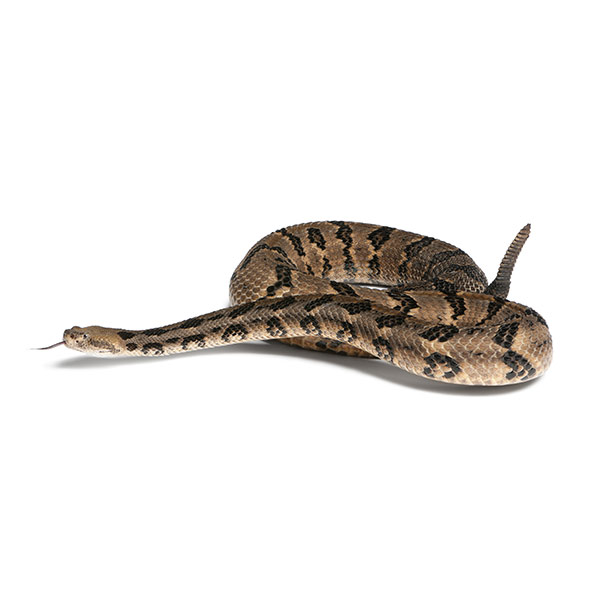
How to Identify Canebrake Rattlesnakes

Large, venomous reptiles recognized by their heavy bodies, distinctive rattles, and preference for forests, canebrakes, swamps, and wooded habitats.
  • Actual Size 3 to 5 feet long
  • Characteristics Large venomous snakes, recognized by their heavy bodies, triangular heads, and distinctive tail rattles.
  • Coloration Tan, pinkish-gray, or brown bodies marked with dark chevron-shaped bands and a black tail near the rattle.

What Do Canebrake Rattlesnakes Do?

Canebrake rattlesnakes prey on small mammals, birds, amphibians, and other wildlife and are commonly found in forests, canebrakes, swamps, and wooded habitats. Their search for food may occasionally bring them near homes located close to natural areas.
  • They are venomous pit vipers equipped with heat-sensing pits that help them locate warm-blooded prey.
  • They are recognized by the segmented rattle on the end of their tail, which produces a warning sound when the snake feels threatened.
  • Ambush predators that rely on camouflage and patience rather than actively chasing prey.
  • Although they are venomous, they generally prefer to avoid people and will often remain still or retreat if given space.

Where Do You Find Canebrake Rattlesnakes?

Canebrake rattlesnakes are frequently encountered in wooded environments with abundant cover, where they can ambush prey and shelter beneath natural debris. Common places you’ll find canebrake rattlesnakes include:
  • Pine forests with dense undergrowth
  • Hardwood forests and wooded hillsides
  • River bottoms and floodplain forests
  • Swamps and freshwater wetlands
  • Canebrakes and thickets with heavy vegetation
  • Brush piles, fallen logs, and wooded debris fields
  • Rocky outcrops, ledges, and forest clearings
  • Rural properties bordering forests, swamps, or other natural habitats

What Should I Do If I Have Canebrake Rattlesnakes in Georgia?

Commonly found in forests, swamps, and brushy habitats, but they may sometimes appear near homes bordering suitable habitat. If you are concerned about canebrake rattlesnakes, the following steps are recommended:
  • Keep a safe distance and never attempt to handle, capture, or corner the snake.
  • Keep children and pets away from areas where rattlesnakes have been seen.
  • Remove brush piles, fallen logs, tall weeds, and other potential hiding places around the property.
  • Keep grass mowed and vegetation trimmed to reduce cover for snakes and their prey.
  • Reduce rodent activity around the home by securing food sources and eliminating harborage areas.
  • Seal gaps, cracks, and openings around foundations, crawl spaces, sheds, and outbuildings to help prevent snake entry.
  • Contact a professional pest control service if canebrake rattlesnakes are repeatedly appearing on your property or causing concern.

Top 5 FAQs About Canebrake Rattlesnakes in Georgia

Questions about canebrake rattlesnakes and what to do if you see one? Check the FAQ section below, then contact us by phone or email for additional help.
Are canebrake rattlesnakes venomous?
Yes. They are venomous snakes and should be treated with caution and respected in the wild.
What should I do if I am bitten by a canebrake rattlesnake?
Seek emergency medical attention immediately. Stay calm, limit movement, keep the bite area still and at or slightly below heart level, and do not try to cut, suck, or apply ice to the wound.
What should I do if I see a canebrake rattlesnake?
Stay calm, keep your distance, and do not attempt to approach or handle it. Move away slowly and carefully.
What should I do if a canebrake rattlesnake is on my property?
Keep people and pets away and avoid disturbing it. Contact a professional pest control service for effective removal if needed.
How can I prevent canebrake rattlesnakes around my home?
Keep grass trimmed, remove brush and debris, reduce rodent activity, and seal gaps around structures to limit shelter opportunities.

Common Garter Snake

Garter snake information and control  - Active Pest Control
Health RiskLow
Damage RiskNo Risk
NuisanceMedium

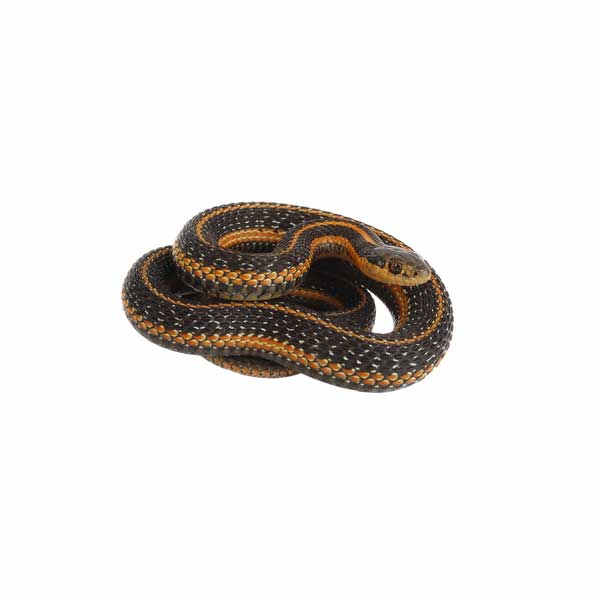
How to Identify Common Garter Snakes

Harmless, nonvenomous snakes known for their thin build, longitudinal stripes, and frequent presence in yards, fields, and areas near water.
  • Actual Size 1.5 to 2.5 feet long
  • Characteristics Nonvenomous, slender reptiles often found in grassy or wet environments near water.
  • Coloration Typically dark bodies with bright yellow, greenish, or white striping along the back and sides.

What Do Common Garter Snakes Do?

Common garter snakes prey on a variety of small prey such as slugs, frogs, and worms, and are often found in fields, meadows, and damp environments. While foraging, they may sometimes appear in suburban yards and gardens.
  • They are nonvenomous and generally harmless to humans and pets.
  • They are often found in moist environments such as gardens, wetlands, streamsides, and grassy fields.
  • Active during the day and are frequently seen basking in sunlight.
  • When threatened, they may release a foul-smelling musk or wriggle quickly to escape predators.

Where Do You Find Common Garter Snakes?

Frequently encountered in moist, grassy environments with abundant cover, where they can hunt small prey and shelter beneath logs, rocks, and leaf litter. Common places you’ll find common garter snakes include:
  • Grassy fields and meadows
  • Garden beds and landscaped yards
  • Wetlands and marsh edges
  • Ponds, streams, and creek banks
  • Wooded areas with leaf litter and logs
  • Parks and suburban green spaces
  • Compost piles and brushy yard debris

What Should I Do If I Have Common Garter Snakes in Georgia?

Should a garter snake show up around your home, the following steps are recommended:
  • Keep a respectful distance and avoid handling or disturbing the snake.
  • Stay calm, as common garter snakes are nonvenomous and generally harmless.
  • Identify and remove hiding spots like brush piles, logs, and leaf litter around your yard.
  • Keep grass trimmed and landscaping well-maintained to reduce cover.
  • Seal small gaps and openings around foundations, sheds, and crawl spaces.
  • Reduce moisture and standing water where possible to make the area less attractive.
  • Wear gloves and use caution when working in areas where snakes may be hiding.
  • Contact professional pest control if common garter snakes are frequently appearing around your home or becoming a recurring concern.

Top 5 FAQs About Common Garter Snakes in Georgia

Curious about common garter snakes and what actions to take if one appears? Start with the FAQ section below, then contact us by phone or email if you need more help.
Are common garter snakes venomous?
No, they are not venomous and are considered harmless to humans.
Are common garter snakes dangerous to pets?
No, they are not dangerous to pets and generally avoid contact with larger animals and humans.
Why are common garter snakes in my yard?
They are often attracted to yards with moisture, insects, and small prey like worms and frogs.
What should I do if I see a common garter snake?
It’s best to leave it alone. It will usually move on quickly on its own.
How can I prevent common garter snakes around my home?
Keep grass trimmed, remove debris and clutter, reduce moisture, and seal gaps where snakes might hide. Contact professional pest control if snakes are frequently appearing or becoming difficult to manage.

Common Water Snake

Common Water Snake - Active Pest Control
Health RiskNo Risk
Damage RiskNo Risk
NuisanceMedium

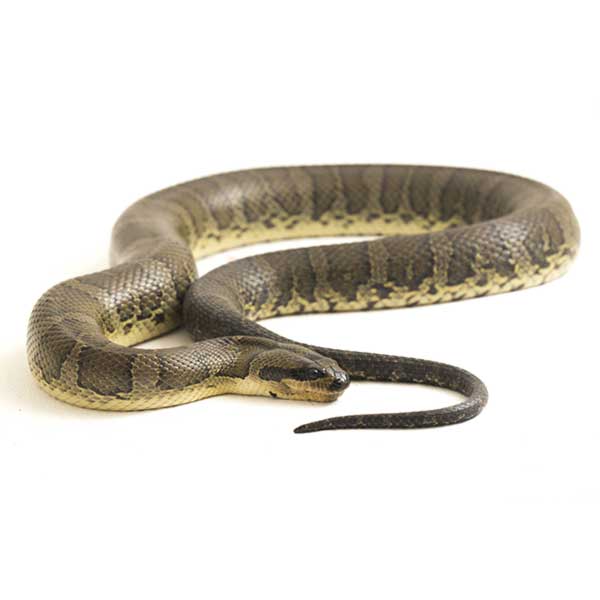
How to Identify Common Water Snakes

Nonvenomous reptiles with robust builds and mottled or banded coloring, commonly observed in freshwater environments such as rivers, marshes, and lakeshores.
  • Actual Size 1.5 to 2.5 feet long
  • Characteristics Nonvenomous, moderately heavy-bodied reptiles often seen near freshwater habitats.
  • Coloration Usually brown or gray with dark blotches or banded patterns across the back.

What Do Common Water Snakes Do?

They primarily feed on amphibians and small aquatic animals, such as frogs, tadpoles, and small fish, and are typically found near ponds, streams, and wetlands. While hunting, they may occasionally be seen along shorelines or in nearby residential areas.
  • They are strong swimmers and spend much of their time in or near water, where they hunt and seek shelter.
  • Often bask on rocks, logs, or vegetation near water to regulate their body temperature.
  • They may appear aggressive when threatened, but this is usually a defensive behavior, and they are not dangerous to humans.
  • They are commonly mistaken for venomous cottonmouths, but water snakes are harmless and play an important role in controlling aquatic prey populations.

Where Do You Find Common Water Snakes?

Frequently encountered near aquatic environments with plenty of cover, where they can hunt and shelter under logs, vegetation, and stones. Common places you’ll find common water snakes include:
  • Ponds and pond edges, especially where floating debris provides cover
  • Slow-moving rivers where fish and amphibians are abundant
  • Freshwater lakes, particularly along rocky or brushy shorelines
  • Marshes and swamps with dense wetland vegetation
  • Creeks and streams with plenty of hiding spots under logs and stones
  • Wet ditches and drainage canals near rural or suburban areas
  • Floodplains and low-lying areas that stay seasonally wet
  • Shorelines of reservoirs where basking sites are available

What Should I Do If I Have Common Water Snakes in Georgia?

Often found in aquatic and wetland habitats such as streams, ponds, and marshes, but they may occasionally be seen near homes close to natural water sources. If you are concerned about common water snakes, the following steps are recommended:
  • Keep areas around ponds, creeks, and shorelines free of clutter such as woodpiles, rocks, and debris where common water snakes may shelter.
  • Seal cracks, gaps, and openings around foundations, sheds, and crawl spaces to limit access to potential shelter areas.
  • Avoid handling or disturbing common water snakes, as they may defend themselves even though they are nonvenomous.
  • Because common water snakes are often confused with venomous species like cottonmouths, it is best to keep a safe distance and let professionals identify them when uncertain.
  • Contact a professional pest control service if water snakes are frequently seen around your property or if removal is needed for peace of mind..

Top 5 FAQs About Common Water Snakes in Georgia

Have questions about common water snakes or how to respond if one shows up? Check out the FAQ section below first, and contact us by phone or email for further assistance.
Are common water snakes dangerous to humans?
No, common water snakes are not dangerous to people. They are nonvenomous and typically avoid human contact.
Are common water snakes aggressive?
They are not naturally aggressive, but they may flatten their bodies, hiss, or strike defensively if they feel threatened.
Do common water snakes enter homes?
It is uncommon, but they may occasionally wander into yards or structures near water while searching for food or shelter.
Are common water snakes mistaken for venomous snakes?
Yes, they are often confused with venomous species like cottonmouths, but common water snakes are harmless and nonvenomous.
When should I contact professional pest control for common water snakes?
You should contact a professional pest control service if water snakes are frequently appearing on your property, are entering structures, or if you need identification and removal assistance.

Brown Widow Spider

Brown widow spider control and removal - Active Pest Control
Health RiskMedium
Damage RiskNo Risk
NuisanceHigh

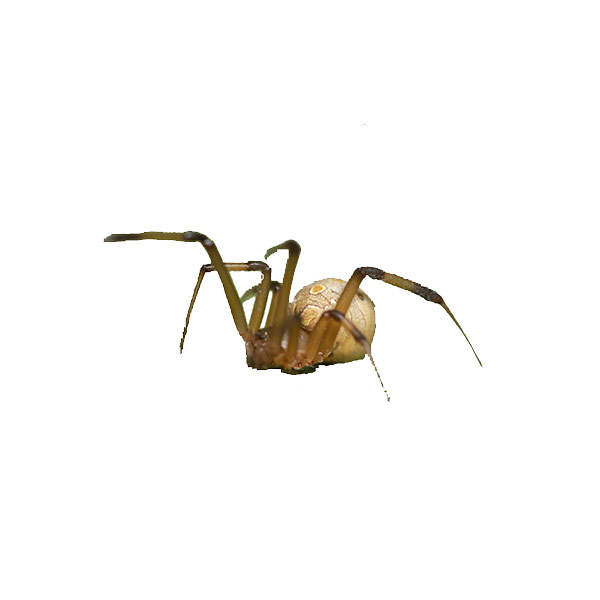
How to Identify Brown Widow Spiders

Venomous spiders with light to medium brown, smooth bodies and long, slender legs, often identified by a distinctive orange or yellow hourglass marking on the underside of the abdomen.
  • Actual Size 1 to 1 ½ inch leg span
  • Characteristics Light to medium brown spiders with slender legs and a uniform body color, often identified by an orange or yellow hourglass marking on the underside of the abdomen.
  • Legs 8
  • Antennae No
  • Wings No

What Do Brown Widow Spiders Do?

Brown widow spiders are drawn to calm, sheltered locations like outdoor structures, hidden crevices, and storage areas where they can remain concealed for extended periods.
  • While venomous, they are generally less dangerous than black widows. Their bites are rarely severe, though medical attention may still be needed.
  • Their egg sacs are spiky in appearance. Unlike black widow egg sacs, brown widow egg sacs often have a rough, textured surface.
  • They build messy, irregular webs. These webs are typically located in sheltered, low-traffic areas where prey is likely to pass.
  • They can reproduce quickly in warm climates. Brown widows are especially common in southern and coastal regions where conditions are favorable year-round.

Where Do You Find Brown Widow Spiders?

Brown widow spiders commonly inhabit sheltered areas around homes and outdoor structures, preferring quiet, low-traffic spaces where they can remain hidden. Places you're likely to encounter brown widow spiders include:
  • Outdoor furniture
  • Fences and fence posts
  • Eaves and rooflines
  • Garages and storage areas
  • Mailboxes and utility boxes
  • Garden pots and planters
  • Exterior walls and crevices
  • Sheds and outdoor structures

What Should I Do If I Have Brown Widow Spiders in Georgia?

Brown widow spiders may live near homes where they can find protected areas and food sources, often building webs in low-traffic spaces. If brown widow spiders are starting to become an issue, the following steps are recommended:
  • Reduce outdoor clutter such as stacked items, unused furniture, and debris where spiders may build webs.
  • Wear gloves when handling stored or undisturbed items to avoid accidental contact with spiders or egg sacs.
  • Seal cracks and crevices in walls, fences, and around doors or windows to limit hiding spots.
  • Keep outdoor storage areas organized and elevated to reduce sheltered ground-level spaces.
  • Reduce insect activity around your property since brown widow spiders feed on small insects caught in their webs.
  • Contact a pest control professional if infestations persist or spiders are frequently found around living spaces.

Top 5 FAQs About Brown Widow Spiders in Georgia

Need answers about brown widow spiders? Begin with the FAQ section below, and contact us by phone or email if you have additional questions.
Are brown widow spiders dangerous?
They are venomous, but their bites are generally less severe than black widow bites. Most bites cause mild to moderate symptoms, though medical attention may still be needed.
Are brown widow spiders aggressive?
No, they are not aggressive. They usually bite only when they are pressed against the skin or feel threatened.
How do brown widow spiders get into homes?
They may enter through cracks and openings or be carried in on outdoor items such as furniture, boxes, or plants.
How can I prevent brown widow spiders around my home?
Reduce clutter, inspect outdoor items regularly, seal entry points, and keep storage areas organized and elevated.
What should I do if I find brown widow spiders?
Avoid direct contact, remove webs carefully if safe to do so, and contact a pest control professional if spider activity continues or increases.

Drywood Termite

Drywood termite information and prevention - Active Pest Control
Health RiskNo Risk
Damage RiskLow
NuisanceLow

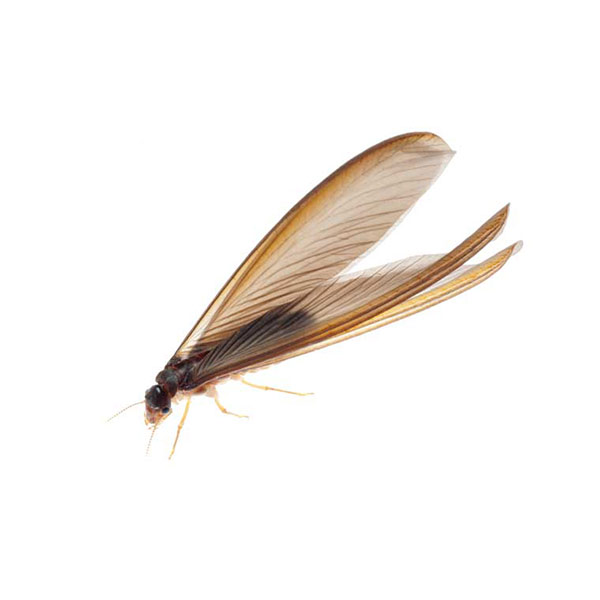
How to Identify Drywood Termites

Drywood termites feature light-colored, soft bodies and strong mandibles that allow them to burrow into dry structural wood, create colonies, and feed on wood and other cellulose sources.
  • Actual Size 4 to 12 mm long, depending on caste
  • Characteristics Soft-bodied termites with straight antennae and cream to brown coloration, equipped with strong mandibles.
  • Legs 6
  • Antennae Yes
  • Wings Yes, on reproductive swarmers

What Do Drywood Termites Do?

Drywood termites feed on dry wood and other cellulose-rich materials, often establishing hidden colonies within structural timber that can gradually spread through a structure.
  • Drywood termites do not require soil contact, unlike subterranean termites, because they live entirely inside the wood they infest.
  • They infest dry, sound wood, including structural lumber, furniture, framing, and hardwood flooring.
  • Produce dry, pellet-like droppings called frass, which are often one of the first visible signs of an infestation.
  • They enter structures through swarming reproductives, which fly in and establish new colonies inside exposed wood.

Where Do You Find Drywood Termites?

Drywood termites are most often found in dry, intact wood such as structural beams and household furniture, where colonies can stay concealed until damage or swarmers become visible. Places you’re likely to find drywood termites include:
  • Structural framing inside homes and buildings
  • Attic beams and roof rafters
  • Hardwood flooring and subflooring
  • Wooden furniture and cabinets
  • Door and window frames
  • Wooden trim and baseboards
  • Wooden beams in garages or storage areas
  • Decorative wood features such as mantels or paneling

What Should I Do If I Have Drywood Termites in Georgia?

Drywood termites can invade indoor spaces when they are introduced into dry, sound wood inside a structure, enabling colonies to expand within walls, floors, and furniture and gradually weaken materials. If you have drywood termites, the following steps are recommended:
  • Inspect all wooden structures, including furniture, framing, and trim, for signs of damage.
  • Look for small pellet-like droppings (frass) around windowsills, baseboards, and furniture.
  • Seal cracks and gaps in wood to help limit further termite entry and spread.
  • Remove or isolate infested wooden items when possible.
  • Use moisture control measures, even though drywood termites do not rely on high humidity, to reduce overall wood vulnerability.
  • Contact a licensed pest control professional for a full inspection and treatment plan.

Top 5 FAQs About Drywood Termites in Georgia

Curious about drywood termites? Review the FAQ section below, and contact us via phone or email if you have further questions.
How do drywood termites get into homes?
They typically enter through swarming winged reproductives that fly into structures and establish colonies in exposed or accessible wood.
What are the signs of drywood termites?
Common signs include small pellet-like droppings called frass, hollow-sounding wood, and discarded wings near windows or doors.
Can drywood termites damage furniture?
Yes, they can infest and damage wooden furniture, especially untreated or exposed wood items inside a home.
Are drywood termites dangerous to homes?
They can cause significant structural damage over time because they live inside wood and often go undetected for long periods.
How are drywood termites treated?
Treatment may include localized wood treatments, heat treatments, or whole-structure fumigation depending on severity. Professional pest control is needed for effective elimination.

Formosan Termite

Formosan termite information and control - Active Pest Control
Health RiskNo Risk
Damage RiskHigh
NuisanceHigh

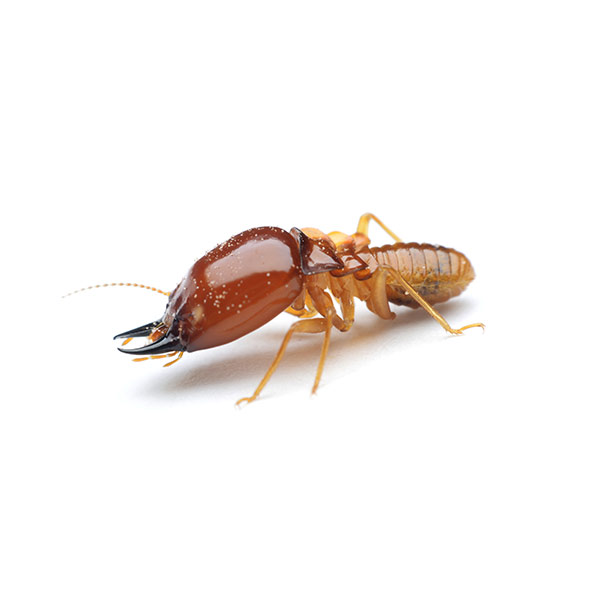
How to Identify Formosan Termites

Formosan termites have light colored, soft bodies and extremely strong mandibles that allow them to consume cellulose, often causing rapid and severe wood damage as they move between soil colonies and structures.
  • Actual Size About 2 to 15 mm in length, varying by caste
  • Characteristics Have soft bodies that vary in color from cream to brown, along with straight antennae and strong mandibles.
  • Legs 6
  • Antennae Yes
  • Wings Yes, on reproductive swarmers

What Do Formosan Termites Do?

Formosan termites rely on wood and other cellulose sources for food while creating large colonies in soil and building cavities, leading to rapid and extensive structural damage.
  • An aggressive species of subterranean termite known for forming extremely large colonies that can number in the millions.
  • They feed on cellulose found in wood, paper, and other plant-based materials, which makes buildings highly vulnerable to damage.
  • They produce shelter tubes (mud tubes) to protect themselves while traveling between soil and food sources.
  • A Formosan termite colony can consume wood at a very rapid rate compared to many other termite species, leading to faster structural damage.

Where Do You Find Formosan Termites?

Formosan termites are commonly found in moist soil around structures, where they build extensive colonies and use mud tubes to feed on wood. Activity often goes undetected until damage or swarmers are seen. Places you’re likely to find Formosan termites include:
  • Moist soil around home foundations
  • Crawl spaces with high humidity or poor ventilation
  • Leaky areas around plumbing lines
  • Wooden structural components in contact with soil
  • Inside wall voids or structural cavities
  • Mulch beds and heavily landscaped areas near buildings
  • Wooden decks, porches, and exterior steps
  • Mud tubes along foundations, pipes, and exterior walls

What Should I Do If I Have Formosan Termites in Georgia?

Formosan termites usually infiltrate buildings from beneath the soil, using moisture-rich pathways to reach and feed on wood inside walls, floors, and structural supports. If you have Formosan termites, the following steps are highly recommended:
  • Improve ventilation in crawl spaces, attics, and basements to reduce humidity that supports colony growth.
  • Keep mulch, soil, and landscaping materials from direct contact with wood siding or structural components.
  • Remove or replace heavily damaged or moisture-compromised wood as directed by a pest control specialist.
  • Eliminate excess moisture around the home by repairing leaks, improving drainage, and addressing standing water issues.
  • Schedule a professional treatment plan, which may include soil termiticides, baiting systems, or specialized Formosan termite control methods.
  • Contact a licensed pest control professional immediately to inspect and confirm Formosan termite activity and determine the extent of the infestation.

Top 5 FAQs About Formosan Termites in Georgia

Questions about Formosan termites? Check out the FAQ section below, and contact us by phone or email if you need additional information.
How do Formosan termites enter homes?
They enter from the soil through cracks in foundations, gaps around plumbing, and areas where wood touches the ground, often using mud tubes for protection.
What are the signs of a Formosan termite infestation?
Signs include mud tubes, discarded wings, hollow-sounding wood, bubbling paint, and sometimes visible swarms of winged termites.
Why are Formosan termites so destructive?
They form extremely large colonies that can consume wood quickly and may establish multiple nesting sites, increasing the speed and scale of damage.
Can Formosan termites damage a house quickly?
Yes, because of their large colony sizes and aggressive feeding habits, they can cause significant structural damage in a relatively short period.
How are Formosan termites treated?
Treatment usually involves professional pest control methods such as soil termiticides, baiting systems, and eliminating moisture sources to reduce colony survival.

Black Carpet Beetle

Black carpet beetle identification - Active Pest Control
Health RiskLow
Damage RiskLow
NuisanceLow

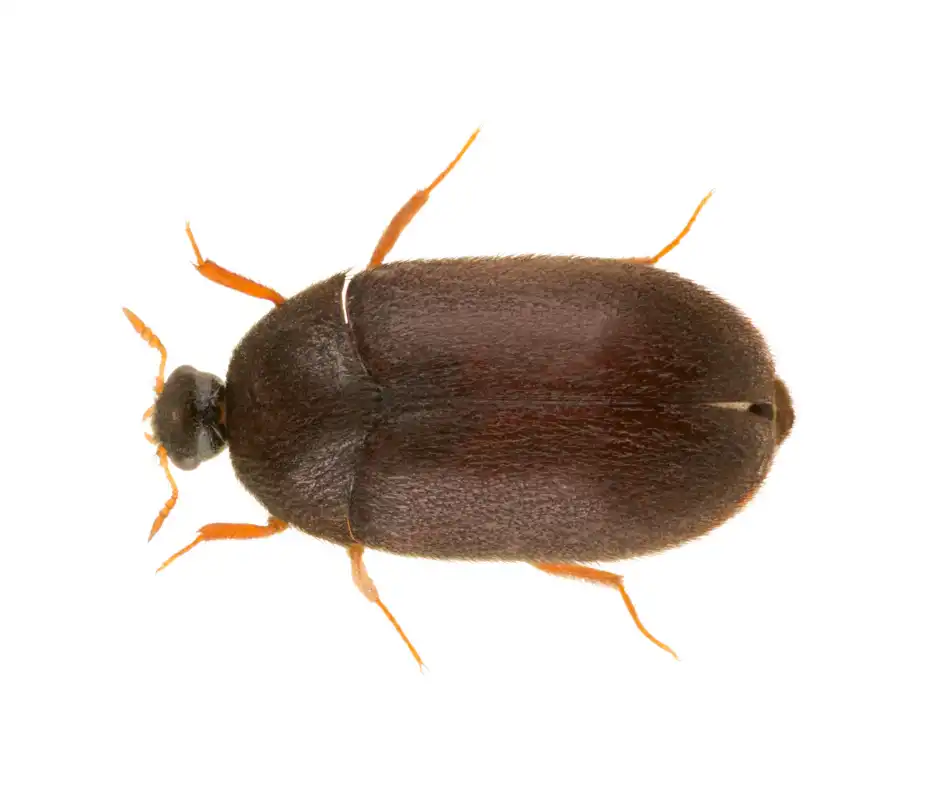
How to Identify Black Carpet Beetles

These insects feature small, rounded bodies with protective wing covers and chewing mouthparts that help them break down natural fibers and stored materials.
  • Actual Size 2 to 5 mm
  • Characteristics Oval-shaped insects with rounded bodies, hard wing covers, and a mottled or dark coloration.
  • Legs 6
  • Antennae Yes
  • Wings Yes, with hardened outer wing covers

What Do Black Carpet Beetles Do?

Black carpet beetles are attracted to natural fibers and accumulated organic matter, and while they forage, they can move through different parts of a structure and occasionally appear in significant numbers.
  • While they do not bite or spread disease, carpet beetles can cause noticeable damage to clothing, rugs, upholstery, and other household items.
  • Their larvae often hide in dark, undisturbed areas such as closets, baseboards, and storage spaces where food sources are available.
  • Adult carpet beetles are attracted to light and are commonly found near windows and doors as they move between indoor and outdoor environments.
  • They are often introduced into homes through open windows, doors, or by hitchhiking on flowers, clothing, or used furniture.

Where Do You Find Black Carpet Beetles?

These beetles often appear in indoor environments where fabrics, stored items, and organic debris are available, and they are most noticeable when temperatures shift between warm and cool seasons. Places you’re likely to encounter black carpet beetles include:
  • Closets and wardrobes where clothing made of wool, fur, or other natural fibers is stored
  • Attics where stored textiles, boxes, and undisturbed organic materials may accumulate
  • Basements with stored fabric items, carpets, or cardboard materials
  • Under furniture and along baseboards, where lint, hair, and debris collect
  • Upholstered furniture such as sofas and chairs containing natural fibers or hidden food sources
  • Storage boxes containing clothing, blankets, or antique textiles
  • Rugs, carpets, and floor coverings made from natural materials like wool
  • Areas around windows and light sources where adult beetles may gather indoors

What Should I Do If I Have Black Carpet Beetles in Georgia?

These beetles may cause problems indoors when they transition from outdoor areas into homes and begin targeting materials such as clothing, rugs, and upholstery during seasonal changes. If black carpet beetles are becoming a problem, the following steps are recommended:
  • Thoroughly vacuum carpets, furniture, closets, and baseboards to help remove black carpet beetles, larvae, and shed skins.
  • Clean and launder clothing, blankets, and other fabric materials that may contain larvae or eggs.
  • Regularly inspect storage spaces, attics, closets, and dark corners for signs of carpet beetle activity.
  • Reduce clutter and organize stored items to eliminate hidden areas where larvae can feed and develop.
  • Repair or seal small gaps around doors, windows, and vents to help reduce beetle entry into the home.
  • Reach out to a professional pest control service if black carpet beetle infestations continue spreading or become difficult to manage.

Top 5 FAQs About Black Carpet Beetles in Georgia

Have questions about black carpet beetles? Start with our FAQ section below, and contact us by phone or email if you need additional assistance.
Are black carpet beetles harmful to people?
Black carpet beetles do not bite or spread diseases, but their larvae may cause skin irritation or allergic reactions in some individuals.
How can I tell if I have a black carpet beetle infestation?
Signs may include damaged fabrics, shed larval skins, small dark beetles near windows, and hairy larvae crawling on surfaces.
Can black carpet beetles damage clothing and furniture?
Yes. The larvae can damage clothing, rugs, blankets, upholstery, and other materials made from natural fibers.
How do black carpet beetles get into homes?
They may enter through doors, windows, vents, secondhand items, cut flowers, or by hitchhiking on fabrics and stored products.
How can I help prevent black carpet beetles?
Regular cleaning, vacuuming, washing fabrics, and reducing lint and pet hair can help prevent black carpet beetles. If infestations continue returning or damage becomes widespread, professional pest control is recommended.

Velvet Ant Wasp

Velvet ant control and prevention - Active Pest Control
Health RiskMedium
Damage RiskLow
NuisanceMedium

How to Identify Velvet Ant Wasps

Velvet ant wasps are known for their striking red-orange and black coloration, fuzzy appearance, and frequent presence in sun-exposed soil and desert areas.
  • Actual Size 8 to 20 mm
  • Characteristics The females are wingless, very fuzzy, and usually bright red or orange with black markings, giving them an ant-like appearance. The males have wings and look more like typical wasps, with slimmer bodies and less dense hair.
  • Legs 6
  • Antennae Yes
  • Wings Only the males have wings

What Do Velvet Ant Wasps Do?

Velvet ant wasps feed on nectar and are typically found in sunny, dry regions like grasslands and deserts, where they search for host insect burrows.
  • Velvet ant wasps are actually wasps, not ants, despite their ant-like appearance.
  • They are covered in dense, velvety hair that is often bright red, orange, or black.
  • They are known for having a very painful sting, though it is not medically dangerous.
  • Females lay their eggs in the nests of ground-dwelling bees and wasps.

Where Do You Find Velvet Ant Wasps?

Velvet ant wasps are frequently seen in open outdoor environments with dry, sandy soil and low-growing vegetation. Common places you’ll find velvet ant wasps include:
  • Dry sandy deserts
  • Grasslands and open fields
  • Meadows with low vegetation
  • Woodland edges and clearings
  • Sandy soil areas near trails or paths
  • Around ground-nesting bee burrows
  • Dry, sunny yards with sparse vegetation

What Should I Do If I Have Velvet Ant Wasps in Georgia?

While not typically aggressive, but their bold coloring and painful sting can cause concern when encountered in yards, gardens, and outdoor spaces. If you are dealing with velvet ant wasp activity, the following steps are recommended:
  • Avoid handling or attempting to touch velvet ant wasps, since their sting is extremely painful, even though they are not aggressive.
  • Wear closed-toe shoes and protective clothing when walking in dry, sandy, or grassy areas where they are commonly found.
  • Keep children and pets away from areas where velvet ant wasps are frequently seen moving across the soil.
  • Use caution when gardening or working in soil, especially in sunny, dry patches of your yard.
  • Seal or manage cracks and openings in soil or landscaping features that may attract ground-nesting insects.
  • Contact a professional pest control service if you are experiencing frequent sightings near high-traffic outdoor areas.

Top 5 FAQs About Velvet Ant Wasps in Georgia

Have questions about velvet ant wasps? Explore the FAQ section below, or contact us directly by phone or email for support.
Why are they called velvet ant wasps?
They get their name from their fuzzy, velvety appearance and their resemblance to large ants.
What do velvet ant wasps eat?
Adults typically feed on nectar, while their larvae develop inside nests of ground-dwelling bees or wasps.
How painful is a velvet ant wasp sting?
The sting is extremely painful and often described as one of the most painful insect stings, though it is not medically dangerous.
How can I reduce encounters with velvet ant wasps?
Wear protective footwear outdoors, avoid disturbing sandy soil, and keep outdoor areas clear of ground-nesting insect activity.
When should I call professional pest control for velvet ant wasps?
You should contact a professional pest control service if you are seeing frequent activity near high-traffic areas.