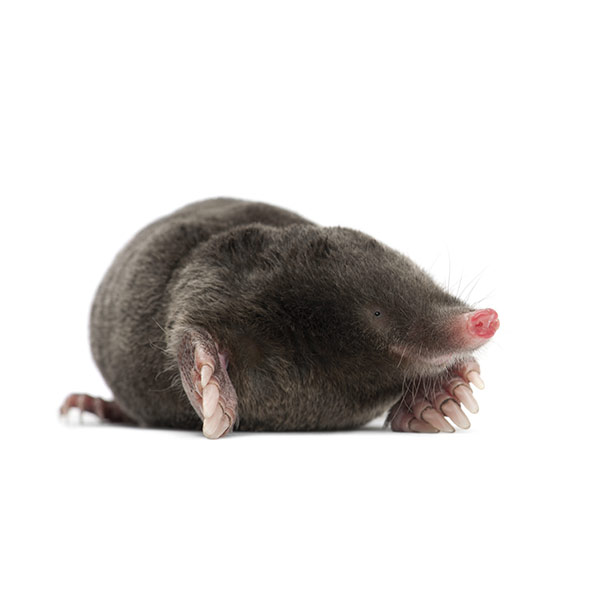
Mole

Mole trapping and removal - Active Pest Control
Health RiskLow
Damage RiskLow
NuisanceMedium

How to Identify Moles

Moles are small, burrowing mammals recognized by their compact, velvety bodies, powerful front claws, and preference for underground environments where they tunnel through soil in search of insects and worms.
  • Actual Size 4 to 6 inches in length
  • Characteristics Subterranean mammals known for their powerful digging ability, spending most of their lives underground.
  • Coloration Soft, dense fur ranging from grayish-black to dark brown.

What Do Moles Do?

Moles feed on earthworms, larvae, and other small organisms beneath the soil surface and are frequently found in grassy yards and landscaped properties. Their underground hunting often brings them into close contact with residential outdoor areas.
  • They have powerful front paws shaped like shovels, which are specially adapted for digging through soil.
  • A single mole can dig extensive tunnel networks in a short period of time, especially in soft or moist soil.
  • Mole activity often results in raised ridges and small mounds of soil appearing across lawns and gardens.
  • Most active in soil conditions where food is abundant and digging is easier, such as irrigated lawns or gardens.

Where Do You Find Moles?

Moles are frequently found in soil-rich habitats such as lawns, landscaped yards, and grassy outdoor areas where they can dig tunnels and hunt for underground prey. Common places you’ll find them includes:
  • Residential lawns with soft, moist soil
  • Garden beds with rich, well-watered earth
  • Parks and public green spaces
  • Golf courses and manicured turf areas
  • Agricultural fields and farmland edges
  • Wooded areas with loose, nutrient-rich soil
  • Areas near irrigation systems or consistently damp ground

What Should I Do If I Have Moles in Georgia?

Moles are often found in outdoor spaces like yards, gardens, and landscaped areas, where their tunneling activity can damage turf, roots, and soil structure and create concerns for property owners. If you are dealing with moles, the following steps are recommended:
  • Reduce soil moisture by adjusting irrigation to make the area less attractive to earthworms.
  • Keep lawns well-maintained and mow regularly to discourage insect buildup near the surface.
  • Limit excessive watering, especially in problem areas where mole activity is visible.
  • Install underground barriers or mesh in gardens to help protect sensitive areas.
  • Contact professional wildlife control for effective mole removal and long-term management.

Top 5 FAQs About Moles in Georgia

If you have questions about moles and available removal methods, review our FAQ section below. If you have additional questions, contact us by phone or email.
Why are moles in my yard?
Moles are attracted to lawns and gardens with moist, soft soil that contains plenty of food sources like worms and insects.
Do moles damage lawns?
Yes, moles can disrupt lawns by creating tunnels and molehills that push up soil and damage grass roots.
Can moles cause structural damage?
While they typically do not damage buildings, their tunneling can affect lawns, gardens, and landscaping features.
What attracts moles to a property?
Moles are attracted to areas with abundant soil insects, earthworms, and moist, easy-to-dig ground.
How can I get rid of moles?
Mole control often involves reducing their food sources, modifying soil conditions, and using traps or professional wildlife control services for persistent infestations.

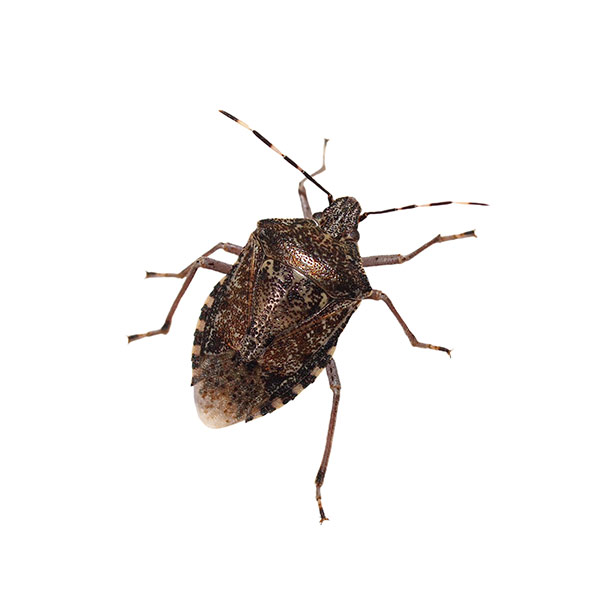
Stink Bug

Stink bug prevention and control - Active Pest Control
Health RiskLow
Damage RiskNo Risk
NuisanceMedium

How to Identify Stink Bugs

Stink bugs can be identified by their shield-shaped bodies and mottled brown or gray coloring, often found gathering on windows, walls, and sunny exterior surfaces near homes.
  • Actual Size 12 to 17 mm
  • Characteristics Shield-shaped insects with brown to gray bodies and a slightly mottled appearance.
  • Legs 6
  • Antennae Yes

What Do Stink Bugs Do?

These pests are often seen during fall and spring, coming out of vegetation and sheltered areas to travel across sunlit surfaces and into homes.
  • Named for the strong odor they release when threatened or crushed.
  • They are primarily plant feeders and can feed on fruits, vegetables, and ornamental plants.
  • Often enter homes in the fall while searching for warm places to overwinter.
  • Stink bugs can squeeze through small cracks and gaps around doors, windows, and siding to enter buildings.

Where Do You Find Stink Bugs?

These insects are typically found on exterior structures and nearby vegetation, where they gather in groups during seasonal temperature changes. Common places you’ll find stink bugs include:
  • Sunny exterior walls of homes
  • Window screens and window frames
  • Door frames and entryways
  • Gardens and vegetable plants
  • Orchards and fruit trees
  • Siding and rooflines of buildings
  • Fences and outdoor structures
  • Attics, wall voids, and other indoor hiding spaces during colder months

What Should I Do If I Have Stink Bugs in Georgia?

These pests do not pose a health risk, but they can become a nuisance when they move indoors in large numbers while seeking overwintering sites. If you’re noticing stink bugs in your home, the following steps are suggested:
  • Seal cracks and gaps around windows, doors, siding, and utility openings to block entry points.
  • Install or repair window and door screens to reduce indoor access.
  • Reduce outdoor lighting at night, which can attract stink bugs to your home.
  • Keep doors and windows closed during peak seasonal activity, especially in the fall.
  • Inspect and seal attic spaces, vents, and other potential overwintering areas.
  • Contact professional pest control if stink bug activity is heavy, recurring, or difficult to manage.

Top 5 FAQs About Stink Bugs in Georgia

Got questions about stink bugs? Check out our FAQ section below. If you need more help, reach out by phone or email.
Why do stink bugs smell?
They release a foul odor as a defense mechanism to deter predators.
Why are stink bugs in my house?
They often enter homes in the fall seeking warm, sheltered places to overwinter.
How do stink bugs get inside?
They enter through cracks, gaps, vents, and openings around windows and doors.
How can I prevent stink bugs in my home?
Seal entry points, repair screens, and reduce outdoor lighting near doors and windows.
When should I call a professional for stink bugs?
Contact professional pest control if infestations are large, recurring, or difficult to manage on your own.

Harvestmen / Daddy Longlegs

Harvestman spider control and removal - Active Pest Control
Health RiskNo Risk
Damage RiskNo Risk
NuisanceLow

How to Identify Harvestmen Spiders

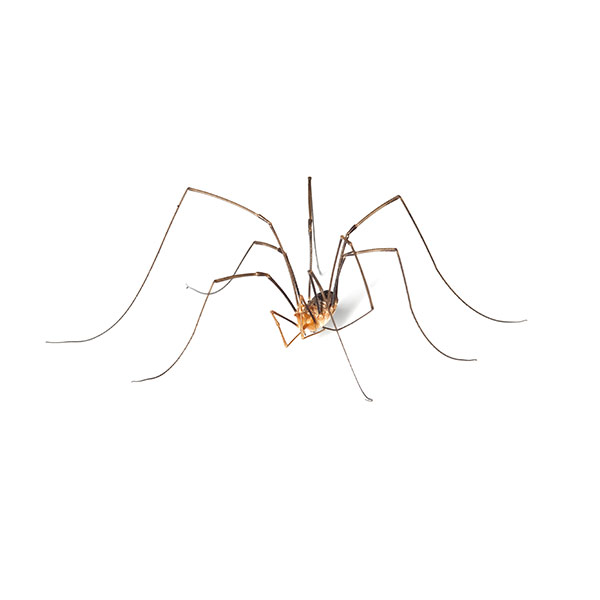
Harvestmen spiders are harmless arachnids with small, rounded bodies and very long, slender legs, typically ranging in tan, brown, or gray tones.
  • Actual Size 1 to 2 inch leg span
  • Characteristics Tan, brown, or gray spider with very long, thin legs and a small, rounded body.
  • Legs 8
  • Antennae No
  • Wings No

What Do Harvestmen Spiders Do?

Harvestmen spiders tend to occupy secluded indoor and outdoor areas, including basements, garages, crawl spaces, and corners where little activity occurs.
  • Commonly known as “daddy longlegs” because of their extremely long, thin legs compared to their small, compact bodies.
  • They are completely harmless to humans and do not have venom or fangs capable of biting.
  • Scavengers and predators, feeding on decaying organic matter, small insects, and plant material.
  • Harvestmen use scent glands to release odors as a defense mechanism, which can deter predators from attacking them.

Where Do You Find Harvestmen Spiders?

Harvestmen spiders tend to live in quiet, protected environments and are often observed in corners, ceilings, and other low-activity areas. Typical places include:
  • Leaf litter on forest floors
  • Under rocks and logs
  • Gardens
  • Basements
  • Crawl spaces
  • Garages and storage areas
  • Sheds and outdoor structures
  • Under porch steps

What Should I Do If I Have Harvestmen Spiders in Georgia?

Since harvestman spiders are drawn to calm environments with access to food sources like small insects and decaying matter, they can be found in multiple areas of a home or building. If they become overwhelming, try the following solutions:
  • Remove harvestman spiders manually using a vacuum, broom, or soft tool to reduce their presence around the home.
  • Reduce clutter in basements, garages, attics, and storage areas to eliminate hiding places.
  • Seal cracks and gaps around doors, windows, foundations, and utility openings to help prevent harvestman spiders from entering indoor spaces.
  • Lower indoor insect populations by managing moisture and sanitation, since harvestman spiders may be drawn to areas with available food sources.
  • Clean and maintain corners, crawl spaces, closets, and other low-traffic areas where harvestman spiders are commonly found.
  • Contact a professional pest control company if harvestman spiders become widespread or continue appearing despite prevention efforts.

Top 5 FAQs About Harvestmen Spiders in Georgia

Questions about harvestman spiders? Review the FAQ section below first, and feel free to call or email us if you need more help.
Are harvestman spiders dangerous?
No, harvestman spiders are harmless to humans. They do not have venom glands or medically significant bites.
Why are they called daddy longlegs?
They are commonly called daddy longlegs because of their extremely long, thin legs compared to their small, compact bodies.
Do harvestman spiders make webs?
No, harvestman spiders do not spin webs. Unlike true spiders, they do not produce silk at all.
Why do harvestman spiders lose their legs?
They can detach their legs as a defense mechanism to escape predators, allowing them to survive dangerous encounters.
How can I reduce harvestman spiders around my home?
Remove clutter, reduce moisture, seal entry points, and clear yard debris. If they persist, contact a professional pest control company.

Cicada Killer Wasp

Cicada killer wasp information - Active Pest Control
Health RiskLow
Damage RiskLow
NuisanceMedium

How to Identify Cicada Killer Wasps

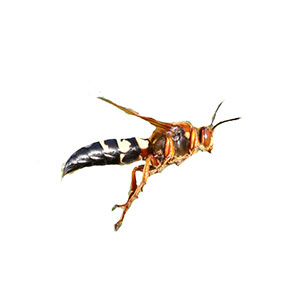
Cicada killer wasps are known for their large size, striped black and yellow appearance, and frequent activity hovering over lawns and garden beds.
  • Actual Size 15 to 50 mm
  • Characteristics Very large wasps with bold black and yellow striped bodies, strong wings, and powerful legs.
  • Legs 6
  • Antennae Yes
  • Wings Yes

What Do Cicada Killer Wasps Do?

Rather than feeding on pollen, cicada killer wasps consume nectar and are most visible when they are active over turf and loose soil while establishing burrows.
  • Large, solitary wasps known for hunting cicadas as food for their larvae.
  • They typically dig burrows in sandy or loose soil where they create underground nesting chambers.
  • Despite their intimidating size, cicada killer wasps are not aggressive toward people.
  • Their nests often appear as small mounds of soil with visible entrance holes in lawns or garden areas.

Where Do You Find Cicada Killer Wasps?

These large solitary wasps are often found in sunny, loose soil environments where they create underground nests and search for cicadas. Common places you’ll find cicada killer wasps include:
  • Sandy or loose soil in residential lawns
  • Garden beds with bare or lightly covered soil
  • Open, sunny yards with minimal ground cover
  • Golf course roughs and sandy turf areas
  • Flower beds with exposed dirt patches
  • Along sidewalks, driveways, and landscape edges
  • Playgrounds or park areas with compacted soil
  • Vacant lots or undeveloped land with dry ground

What Should I Do If I Have Cicada Killer Wasps in Georgia?

Typically low-risk, but they may become noticeable when they create numerous ground nests in lawns or landscaped areas near homes. If cicada killer wasp activity is a concern, the following steps are recommended:
  • Keep children and pets away from areas with active wasp activity.
  • Limit lawn mowing or heavy foot traffic near visible burrow sites.
  • Reduce bare soil exposure by adding grass seed, mulch, or ground cover where appropriate.
  • Avoid spraying or attempting to treat burrows directly, as this can increase defensive behavior.
  • Monitor the area over time to see if activity decreases naturally after the peak summer season.
  • Contact professional pest control if activity is widespread or located near high-traffic areas.

Top 5 FAQs About Cicada Killer Wasps in Georgia

Have questions about cicada killer wasps? Check out our FAQ section below. For additional information, reach out by phone or email.
Why do cicada killer wasps dig in my yard?
Females dig burrows in loose or sandy soil to create underground nesting chambers for their eggs.
What do cicada killer wasps eat?
Adults feed on nectar and plant juices, while larvae feed on paralyzed cicadas provided by the female.
When are cicada killer wasps most active?
They are most active during the summer when cicadas are abundant and nesting activity peaks.
Do cicada killer wasps damage lawns?
Their burrowing may create small mounds in turf, but they typically do not cause serious lawn damage.
When should I call a professional for cicada killer wasps?
Contact a pest control professional if burrowing activity is widespread, persistent, or located in high-traffic areas.

Honey Bee

Honey Bee - Active Pest Control
Health RiskMedium
Damage RiskMedium
NuisanceMedium

How to Identify Honey Bees

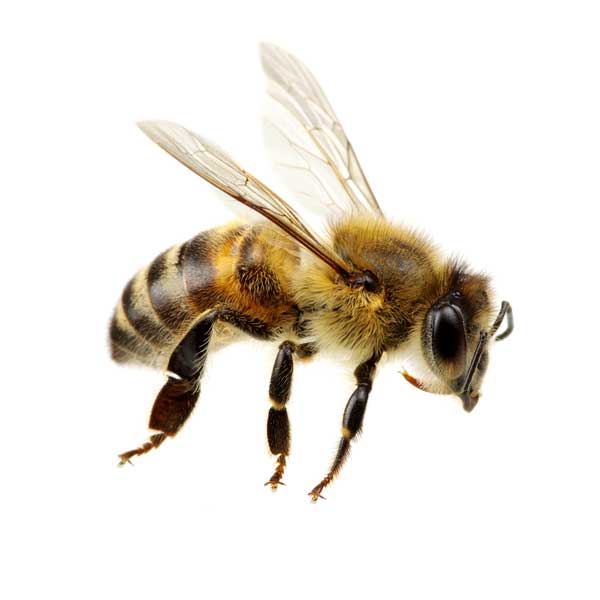
Honey bees are small, fuzzy pollinating insects identified by their golden-brown striped bodies and their common presence around flowers and flowering plants.
  • Actual Size 10 to 15 mm
  • Characteristics Small, fuzzy pollinators with golden-yellow and black striped bodies.
  • Legs 6
  • Antennae Yes
  • Wings Yes

What Do Honey Bees Do?

These beneficial insects gather nectar and pollen from a wide variety of plants and are often seen flying from flower to flower in sunny outdoor spaces.
  • Highly important pollinators that help fertilize many fruits, vegetables, and flowering plants.
  • They live in organized colonies made up of a queen, worker bees, and drones.
  • They produce honey by collecting nectar and converting it into a stored food source inside the hive.
  • Honey bees can sting only once, as their stinger is barbed and typically detaches after use.

Where Do You Find Honey Bees?

Honey bees are often observed in gardens, meadows, and agricultural areas, where they build hives in protected spaces like tree cavities, wall voids, and man-made hives. Common places you’ll find honey bees include:
  • Flower gardens and landscaped yards
  • Wildflower meadows and open fields
  • Agricultural crop fields (such as orchards and vegetable farms)
  • Hollow trees in wooded areas
  • Beekeeping hives, maintained by beekeepers
  • Parks and green spaces with flowering plants
  • Clover-rich lawns and roadside vegetation
  • Urban gardens and rooftop gardens with blooming plants

What Should I Do If I Have Honey Bees in Georgia?

Honey bees are generally beneficial insects, but they can become more noticeable when nesting in protected spaces such as trees or structures near residential areas. If honey bee activity is a concern, the following steps are recommended:
  • Avoid disturbing or attempting to remove an active hive on your own.
  • Keep children and pets away from the area where bees are active.
  • Reduce outdoor food or sugary drink exposure that may attract additional bee activity.
  • Seal gaps or entry points in nearby structures once bees are no longer active in that area.
  • Contact a local beekeeper if relocation of the hive is possible.
  • Contact a professional pest control service if the hive is in a high-traffic or risky area.

Top 5 FAQs About Honey Bees in Georgia

Have questions about honey bees? Review our FAQ section below. For further support, contact us by phone or email.
Why are honey bees important?
They are essential pollinators that help many crops and wild plants reproduce, supporting ecosystems and food production.
How dangerous are honey bees, and can they cause allergic reactions?
For most people, honey bees are not dangerous, but stings can cause pain and swelling. In some individuals, bee stings may trigger severe allergic reactions that require immediate medical attention.
When are honey bees most active?
They are most active during warm months when flowers are blooming, and food sources are abundant.
How do honey bees make honey?
They collect nectar from flowers, then convert and store it in honeycomb cells inside the hive.
What should I do if I find a honey bee hive near my home?
If a hive is located in a high-traffic or concerning area, it’s best to contact professional pest control or a licensed beekeeper for proper evaluation and removal options.

Japanese Beetle

Japanese beetle information - Active Pest Control
Health RiskLow
Damage RiskLow
NuisanceLow

How to Identify Japanese Beetles

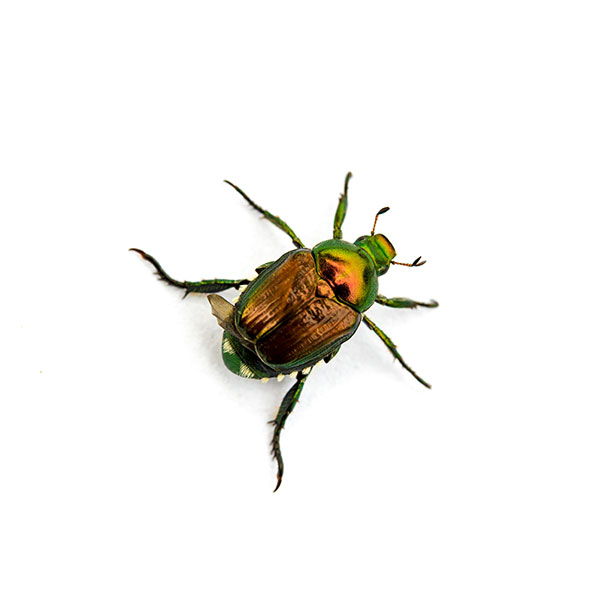
Japanese beetles are medium-sized beetles with metallic green bodies, copper-colored wing covers, and chewing mouthparts used for feeding on plant leaves, flowers, and fruits.
  • Actual Size 8 to 11 mm
  • Characteristics Metallic green beetles with copper-colored wing covers and an oval, slightly rounded body.
  • Legs 6
  • Antennae Yes
  • Wings Yes, with hard protective outer wing covers

What Do Japanese Beetles Do?

Japanese beetles travel across plants and garden areas in search of food, often appearing in greater numbers when seasonal conditions support their development.
  • Adult Japanese beetles commonly feed on leaves, flowers, and fruit, often skeletonizing plant foliage by eating tissue between the veins.
  • They are strong flyers and can travel between plants and gardens while searching for food sources.
  • Their larvae live underground and feed on grass roots, which can damage lawns and turf areas over time.
  • Adult beetles release aggregation pheromones that attract more beetles to the same feeding sites, increasing infestation size.

Where Do You Find Japanese Beetles?

Japanese beetles are often found in plant-rich outdoor habitats where they gather to feed, and they become more noticeable during warm weather when populations peak. Places you’re likely to encounter Japanese beetles include:
  • Rose gardens and ornamental flower beds
  • Lawns and turfgrass areas where larvae feed on roots
  • Vegetable gardens and backyard produce plots
  • Fruit trees such as apple, peach, and plum orchards
  • Grape vines and vineyard areas
  • Shrubbery and hedgerows in residential landscapes
  • Parks and public green spaces with flowering plants and trees
  • Agricultural fields with broadleaf crops and surrounding vegetation

What Should I Do If I Have Japanese Beetles in Georgia?

While not a threat to buildings, they can gather in noticeable numbers on plants and in yards during warm weather. If Japanese beetles are becoming a concern, the following steps are recommended:
  • Hand-pick beetles off plants in the early morning when they are less active and drop them into soapy water.
  • Remove and dispose of heavily damaged leaves or plant material to reduce attraction and spread.
  • Use protective netting or row covers on valuable plants to prevent beetles from feeding.
  • Keep lawns healthy and well-maintained to reduce larval habitat in the soil.
  • Remove or treat nearby plants that are heavily infested to limit population buildup.
  • Contact a professional pest control service if infestations become widespread or difficult to manage.

Top 5 FAQs About Japanese Beetles in Georgia

Want to learn more about Japanese beetles? Review the FAQ section below, and contact us by phone or email if you still have questions.
Why are they called Japanese beetles?
They are called Japanese beetles because they were first identified in the United States after being introduced from Japan in the early 1900s.
What plants do Japanese beetles eat?
They feed on over 300 plant species, including roses, grapes, fruit trees, linden trees, and many ornamental shrubs and flowers.
What kind of damage do Japanese beetles cause?
They chew leaves between the veins, creating a skeletonized appearance, and can also damage flowers and fruit, reducing plant health and aesthetics.
When are Japanese beetles most active?
They are most active during summer months, especially in warm, sunny weather when adults emerge to feed and mate.
How can I manage Japanese beetles?
Management includes hand-picking, protecting plants with netting, maintaining healthy lawns, and using professional pest control treatments for severe infestations.

Black Widow Spider

Black widow spider information and control  - Active Pest Control
Health RiskMedium
Damage RiskNo Risk
NuisanceHigh

How to Identify Black Widow Spiders

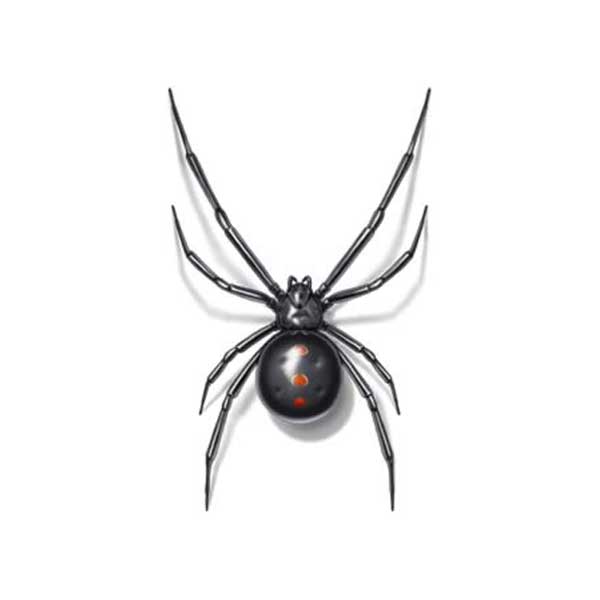
Venomous spiders with glossy black bodies, long legs, and irregular webs that are often identified by the distinctive red hourglass marking on the underside of the abdomen.
  • Actual Size 1 to 2 inches leg span
  • Characteristics Dark colored spiders with bulbous abdomens, smooth, glossy bodies, and red markings.
  • Legs 8
  • Antennae No
  • Wings No

What Do Black Widow Spiders Do?

Attracted to dark, sheltered spaces such as garages, sheds, crawl spaces, and woodpiles, black widow spiders often remain hidden while building irregular webs near the ground.
  • Highly venomous, affecting the nervous system and can cause symptoms such as severe pain, muscle cramps, and nausea.
  • Females are much larger than males. Adult female black widows are significantly bigger and are responsible for nearly all medically significant bites.
  • Black widows build irregular webs. Unlike orb-weaving spiders, they create tangled, messy-looking webs in protected locations.
  • Their egg sacs can contain hundreds of eggs. A single female may produce multiple egg sacs during her lifetime, each holding several hundred spider eggs.

Where Do You Find Black Widow Spiders?

Often inhabiting secluded indoor and outdoor locations, black widow spiders thrive in areas that provide protection, web-building opportunities, and access to food sources. Places you're likely to encounter black widow spiders include:
  • Garages
  • Sheds and outbuildings
  • Woodpiles
  • Crawl spaces
  • Basements
  • Under outdoor furniture such as patio chairs, tables, benches, and grills
  • Utility boxes and meter boxes
  • Around rock piles, landscaping materials, and debris

What Should I Do If I Have Black Widow Spiders in Georgia?

Black widow spiders may establish themselves around homes when suitable shelter and insect prey are available, often occupying garages, sheds, crawl spaces, and other secluded areas. If black widow spiders are becoming a problem, the following steps are recommended:
  • Reduce clutter around your property to eliminate hiding places in garages, sheds, basements, crawl spaces, and storage areas.
  • Wear gloves when handling firewood, boxes, or outdoor equipment that has been sitting undisturbed for long periods.
  • Seal cracks and gaps around doors, windows, vents, and foundations to reduce spider access to your home.
  • Store firewood, lumber, and outdoor materials away from your home's foundation to make the area less attractive to spiders.
  • Contact a pest control professional if you continue finding black widow spiders or if spiders are present in areas where people or pets may be at risk of accidental contact.

Top 5 FAQs About Black Widow Spiders in Georgia

Have questions about black widow spiders? Review the FAQ section below first, and reach out by phone or email if you have further concerns.
Are black widow spiders aggressive?
No, they are not naturally aggressive. They usually bite only when accidentally disturbed, trapped, or threatened.
How dangerous is a black widow spider bite?
Their venom is medically significant and can cause muscle pain, cramps, sweating, and nausea, though severe complications are uncommon with proper treatment.
What should you do if you are bitten by a black widow spider?
Seek medical attention right away. Clean the bite area with soap and water, apply a cold compress to reduce swelling, and try to remain calm to slow the spread of venom. Avoid home remedies that delay treatment.
How do black widow spiders get into homes?
They often enter through cracks, gaps, or open doors and may also be brought in accidentally through firewood, boxes, or outdoor equipment.
How can I prevent black widow spiders around my home?
Reduce clutter, seal entry points, wear gloves when handling stored items, and inspect dark areas regularly. If spiders persist, contact a professional pest control service for help.

Jumping Spider

Jumping spider identification  - Active Pest Control
Health RiskLow
Damage RiskNo Risk
NuisanceLow

How to Identify Jumping Spiders

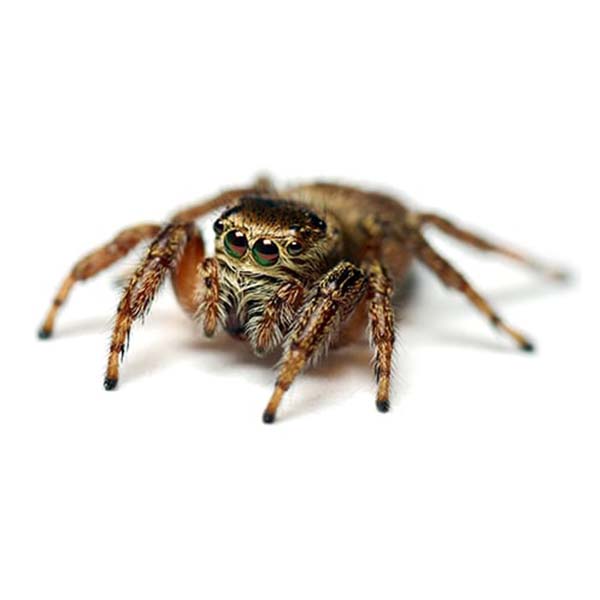
With their compact, fuzzy bodies and large forward-facing eyes, jumping spiders are commonly found on walls, windowsills, and other sunny areas where they actively hunt for insects.
  • Actual Size Leg span that can reach approximately ½ to 1 inch
  • Characteristics Small, compact spiders with fuzzy bodies, excellent eyesight, and a variety of colors including brown, gray, black, and tan.
  • Legs 8
  • Antennae No
  • Wings No

What Do Jumping Spiders Do?

Unlike many spiders that rely on webs, jumping spiders actively search for prey, using their quick movements and impressive jumping ability to catch insects around homes and structures.
  • They have excellent eyesight and use their vision to find prey and avoid danger.
  • They are active hunters that chase and capture insects rather than build webs.
  • Jumping spiders can leap several times their body length to catch prey or escape threats.
  • Their large, forward-facing eyes help them judge distances and track movement.
  • They help control insect populations by feeding on flies, mosquitoes, and other small pests.

Where Do You Find Jumping Spiders?

Since jumping spiders are active hunters that often explore areas with insect activity, they can commonly be found around homes on walls, windowsills, gardens, and outdoor structures, including:
  • Gardens and flower beds where insects are plentiful
  • Window sills and around windows where they can hunt small insects
  • Walls and ceilings inside homes and buildings
  • Fences, decks, and outdoor structures
  • Trees, shrubs, and other vegetation
  • Patios, porches, and exterior walls of homes
  • Garages, sheds, and storage areas
  • Under rocks, leaves, and other sheltered outdoor locations

What Should I Do If I Have Jumping Spiders in Georgia?

Jumping spiders commonly explore homes, gardens, and structures while searching for food and shelter. If you are noticing more jumping spiders than usual, the following steps may help manage the issue:
  • Seal cracks, gaps, and openings around windows, doors, foundations, and utility entry points to help prevent them from entering your home.
  • Keep windows, doors, and screens in good condition to limit access points for spiders and other insects.
  • Remove clutter around garages, sheds, patios, and storage areas where spiders may find shelter.
  • Trim vegetation away from your home’s exterior to reduce hiding places and areas where insects may gather.
  • Contact a professional pest control company if spider activity becomes widespread or continues despite your prevention efforts.

Top 5 FAQs About Jumping Spiders in Georgia

Questions about jumping spiders? Check the FAQ section below, and feel free to contact us by phone or email if you need more support.
Are jumping spiders dangerous?
No, jumping spiders are harmless to humans. They are not aggressive and rarely bite, making them a low-risk spider commonly found around homes.
Why are they called jumping spiders?
Jumping spiders get their name from their ability to leap several times their body length while hunting prey or escaping potential threats.
What do jumping spiders eat?
They feed on small insects and other spiders, including flies, mosquitoes, gnats, and other pests they encounter while hunting.
Can jumping spiders get inside homes?
Yes, jumping spiders may enter homes through small openings while searching for food, shelter, or suitable areas to hunt. Common entry points include:
• Gaps and cracks around doors, windows, and foundations
• Open doors and windows
• Damaged or loose window screens
• Utility openings and exterior gaps
• Spaces around siding, vents, and other exterior features
How can I prevent jumping spiders around my home?
Reducing insect activity, sealing entry points, removing clutter, and keeping areas around your home clean can help limit spider activity.

Brown Recluse Spider

Brown recluse spider information and control  - Active Pest Control
Health RiskMedium
Damage RiskNo Risk
NuisanceHigh

How to Identify Brown Recluse Spiders

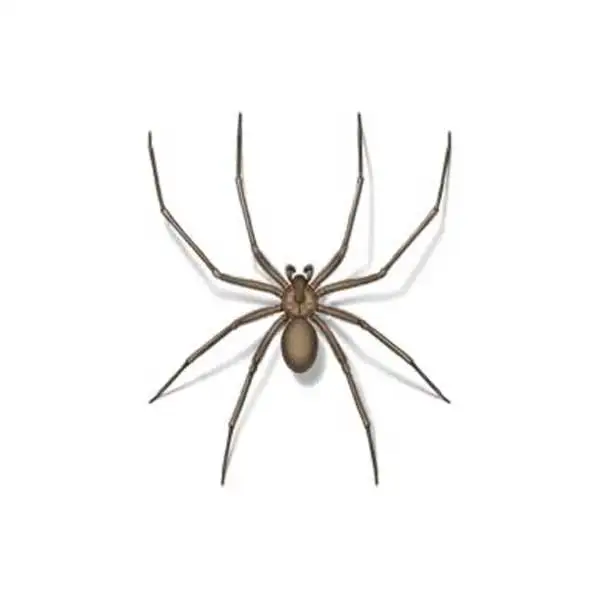
Dangerous spiders with smooth brown bodies and long, delicate legs. They are commonly identified by a dark violin-shaped pattern on their cephalothorax.
  • Actual Size 1 to 2 inches leg span
  • Characteristics Tan to brown spiders with slender legs and a uniform body color, typically identified by a dark violin mark near the head.
  • Legs 8
  • Antennae No
  • Wings No

What Do Brown Recluse Spiders Do?

Brown recluse spiders are drawn to dark, low-traffic areas, including sheds, wall voids, and piles of stored materials, where they remain concealed for long periods.
  • Highly venomous, their bite can cause skin irritation and, in some cases, necrotic lesions that require medical attention.
  • They build irregular, messy webs. Their webs are usually used for shelter rather than for capturing prey and are often found in secluded areas.
  • They are nocturnal hunters. Brown recluse spiders are most active at night when they search for small insects to feed on.
  • They can go long periods without food. These spiders are highly adaptable and can survive for extended periods in low-resource environments.

Where Do You Find Brown Recluse Spiders?

Brown recluse spiders commonly inhabit hidden spaces both inside and outside structures, favoring areas with minimal disturbance where they can remain concealed. Places you're likely to encounter brown recluse spiders include:
  • Closets and storage rooms
  • Basements
  • Attics
  • Crawl spaces
  • Garages
  • Sheds and outbuildings
  • Woodpiles and stacked lumber
  • Behind furniture and wall voids

What Should I Do If I Have Brown Recluse Spiders in Georgia?

Brown recluse spiders often become established in and around homes where they find quiet shelter and access to prey. If brown recluse spiders are becoming a problem, the following steps are recommended:
  • Reduce clutter in storage areas such as basements, closets, garages, and attics to eliminate hiding spots.
  • Seal cracks and gaps around doors, windows, baseboards, and foundations to limit spider entry.
  • Wear gloves when handling stored items like boxes, clothing, and firewood that have been undisturbed.
  • Reduce insect populations in and around the home since brown recluse spiders feed on small insects.
  • Contact a professional pest control service if you continue seeing brown recluse spiders or suspect an established infestation.

Top 5 FAQs About Brown Recluse Spiders in Georgia

Questions about brown recluse spiders? Start with the FAQ section below, and contact us by phone or email if you need additional help.
Are brown recluse spiders aggressive?
No, they are not aggressive. They usually bite only when they are trapped against skin or feel threatened.
How dangerous is a brown recluse spider bite?
Bites can cause skin irritation, pain, and in some cases tissue damage (necrosis), though severe reactions are not common.
What should you do if you are bitten by a brown recluse spider?
Seek medical attention promptly. Clean the bite with soap and water, apply a cool compress to reduce swelling, and avoid attempting to treat severe symptoms at home.
How do brown recluse spiders get into homes?
They often enter through cracks, gaps, and openings, or are accidentally brought inside through boxes, clothing, or stored items.
How can I prevent brown recluse spiders in my home?
Reduce clutter, seal entry points, store items off the floor, and regularly inspect dark, undisturbed areas. If problems persist, contact a pest control professional.

Sac Spider

Sac spider information and control - Active Pest Control
Health RiskLow
Damage RiskNo Risk
NuisanceMedium

How to Identify Sac Spiders

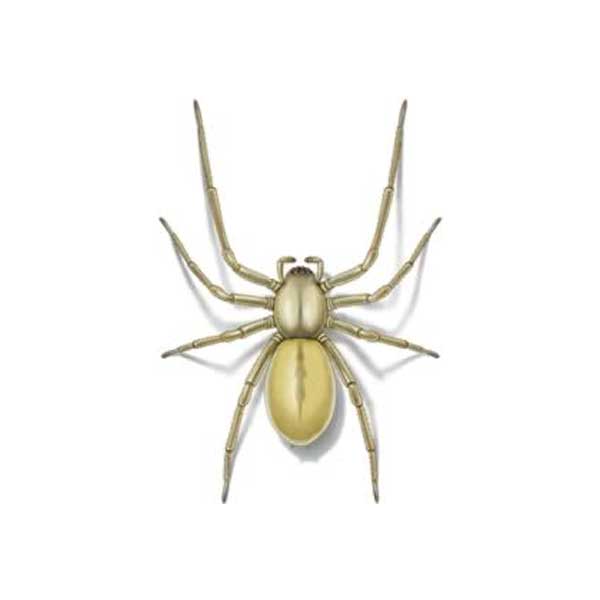
Sac spiders, recognized by their small, light-colored bodies and long, delicate legs, are often found in low-traffic areas where they create silk retreat sacs in corners and crevices.
  • Actual Size 1 to 2 inch leg span
  • Characteristics Spider with a pale tan to light yellow or light brown body and long, slender legs adapted for quick movement.
  • Legs 8
  • Antennae No
  • Wings No

What Do Sac Spiders Do?

Sac spiders do not rely on webs to capture food; instead, they wander through their environment to hunt flies, mosquitoes, and other insects.
  • Typically create small silk “sac” retreats where they rest during the day.
  • Nocturnal and tend to move around more at night while hunting.
  • They feed on small insects such as flies, ants, moths, and other soft-bodied pests.
  • Not considered highly dangerous, but they may bite if accidentally disturbed or trapped.

Where Do You Find Sac Spiders?

Since sac spiders are attracted to areas with available food sources, they are frequently found around homes in sheltered indoor locations and hidden structural spaces, including:
  • Behind baseboards and wall trim inside homes
  • In ceiling corners and along upper walls
  • Inside closets and clothing storage areas
  • Behind furniture and large appliances
  • In garages and storage rooms
  • Under sinks and inside utility cabinets
  • In crawl spaces and basement corners
  • Outdoors under rocks, leaf litter, and bark debris

What Should I Do If I Have Sac Spiders in Georgia?

Since sac spiders prefer environments with accessible prey, they may appear throughout various areas of a home or building. If activity grows, the following steps may help:
  • Regularly vacuum corners, baseboards, and behind furniture to remove spiders and egg sacs.
  • Seal cracks, gaps, and entry points around doors, windows, and foundations.
  • Store clothing, shoes, and stored items off the floor when possible.
  • Remove debris and clutter from garages, basements, and crawl spaces.
  • Check and shake out items like towels, shoes, and boxes before use if stored for long periods.
  • Contact a professional pest control service if sac spider activity becomes persistent or difficult to manage.

Top 5 FAQs About Sac Spiders in Georgia

Questions about sac spiders? Review the FAQ section below, then feel free to contact us by phone or email for more details.
Why are they called sac spiders?
They are named for the small silk sacs they build, which serve as resting shelters during the day.
Are sac spiders dangerous?
Sac spiders are not considered highly dangerous, but they may bite if accidentally trapped or threatened, usually causing mild irritation.
Do sac spiders build webs?
They do not build webs to catch prey. Instead, they create small silk sacs for shelter and hunt actively.
Why do sac spiders come inside homes?
They may enter homes in search of food, warmth, or shelter, especially when insect activity is high indoors.
How can I reduce sac spiders in my home?
You can reduce clutter, seal entry points, vacuum regularly, and limit indoor insect activity. Professional pest control can help if infestations persist.