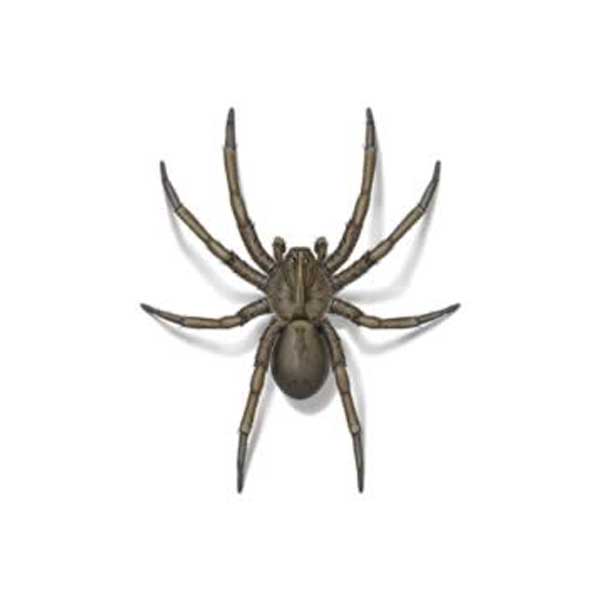
Wolf Spider

Wolf spider information and control - Active Pest Control
Health RiskLow
Damage RiskNo Risk
NuisanceMedium

How to Identify Wolf Spiders

Featuring hairy bodies and powerful legs, wolf spiders are typically found in quiet natural areas where they stay hidden under rocks, logs, and other ground-level shelters.
  • Actual Size 3 to 4 inch leg span (depending on species)
  • Characteristics Spider with a hairy, brown or gray body and strong, sturdy legs.
  • Legs 8
  • Antennae No
  • Wings No

What Do Wolf Spiders Do?

Wolf spiders do not rely on webs; instead, they move through their environment as active hunters, striking at insects and other small animals they encounter.
  • They are fast and agile, using speed to chase down insects and other small animals.
  • They often live in burrows or natural shelters rather than spinning webs.
  • Female wolf spiders carry their egg sacs attached to their spinnerets and later carry spiderlings on their back.
  • Generally not dangerous to humans and will usually avoid contact.

Where Do You Find Wolf Spiders?

Wolf spiders seek out areas where food sources are present, so they are often found in calm, protected environments and concealed ground-level spaces, including:
  • In grass and turf areas in yards and fields
  • Under leaf litter and fallen leaves in wooded areas
  • Beneath rocks and large stones in gardens and landscapes
  • Inside soil burrows or small ground tunnels
  • Around woodpiles and stacked logs outdoors
  • In dense shrubs and low-growing vegetation
  • Along the edges of porches, patios, and foundations
  • Occasionally, in garages, basements, or ground-level entryways of homes

What Should I Do If I Have Wolf Spiders in Georgia?

Since wolf spiders actively roam for prey and shelter, they may be found in various locations around a structure or the surrounding environment. If activity increases, the following steps may help:
  • Seal cracks, gaps, and openings around doors, windows, and foundations to limit entry points.
  • Keep outdoor areas clear of debris, leaf litter, and stacked wood near the home.
  • Trim grass, shrubs, and vegetation close to structures to reduce hiding spots.
  • Limit insect activity around your home by reducing outdoor lighting and keeping areas clean.
  • Inspect shoes, boxes, and stored items before bringing them indoors.
  • Contact a professional pest control service if wolf spider activity becomes frequent or difficult to manage.

Top 5 FAQs About Wolf Spiders in Georgia

If you have questions about wolf spiders, start with the FAQ section below, then reach out by phone or email for additional support.
Are wolf spiders dangerous to humans?
They are not considered dangerous. Bites are rare and usually cause only mild, localized irritation similar to a bee sting.
Do wolf spiders build webs?
No. Wolf spiders do not build webs to catch prey. They are active hunters that rely on speed and vision.
Why do wolf spiders come inside homes?
They may enter homes while searching for prey or shelter, especially during changes in weather or when insect activity is high.
Are wolf spiders aggressive?
They are generally not aggressive and prefer to avoid humans. They may bite only if threatened or accidentally handled.
How can I reduce wolf spiders around my home?
You can reduce clutter, seal entry points, limit insect activity, and keep outdoor areas clean. Professional pest control can help if needed.

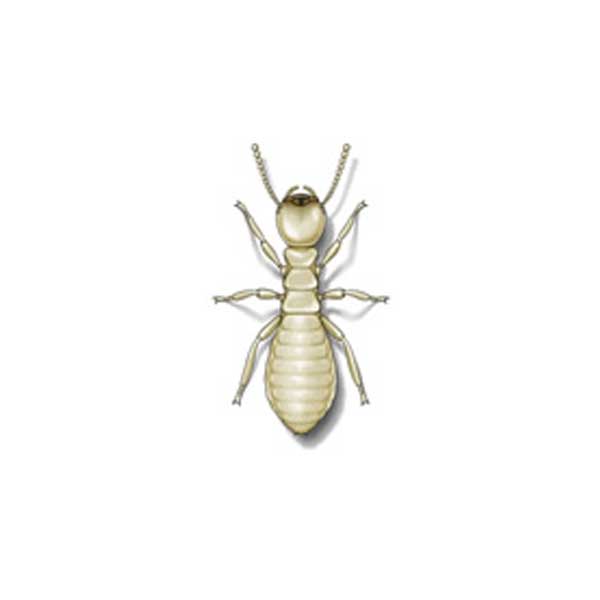
Eastern Subterranean Termite

Eastern subterranean termite information and control - Active Pest Control
Health RiskNo Risk
Damage RiskMedium
NuisanceMedium

How to Identify Eastern Subterranean Termites

Eastern subterranean termites are pale, soft-bodied insects equipped with powerful jaws that help them consume cellulose-based materials, often damaging wood as they travel between soil and structures.
  • Actual Size 3 to 11 mm long, depending on caste
  • Characteristics Soft-bodied insects ranging from cream to brown in color, with straight antennae and strong mandibles.
  • Legs 6
  • Antennae Yes
  • Wings Yes, on reproductive swarmers

What Do Eastern Subterranean Termites Do?

Eastern subterranean termites feed on wood and other cellulose sources while forming underground colonies that connect to structures, allowing damage to slowly spread through a property.
  • Live in large underground colonies and typically build mud tubes to travel between soil and food sources like wood.
  • A colony can contain hundreds of thousands to even millions of termites, depending on its age and environmental conditions.
  • Among the most destructive termite species in the United States due to their large colony sizes and feeding habits.
  • They often remain hidden inside walls or beneath structures, meaning infestations can go unnoticed until significant damage has already occurred.

Where Do You Find Eastern Subterranean Termites?

Eastern subterranean termites typically live underground and in damp environments close to buildings, where they travel through mud tubes to reach structural wood. Their colonies can stay hidden for long periods until signs like damage or swarmers appear. Places you’re likely to find eastern subterranean termites include:
  • Soil around home foundations
  • Areas with plumbing leaks or excess moisture
  • Crawl spaces, especially those with high moisture or poor ventilation.
  • Basement walls and floors, where termites can enter through cracks or gaps.
  • Wooden structural supports, such as beams, joists, and sill plates, are in contact with soil.
  • Mulch beds and landscaping near the foundation
  • Wooden decks, porches, and steps that are in direct contact with the ground.
  • Mud tubes on foundation walls, exterior surfaces, or other protected pathways leading from soil to wood.

What Should I Do If I Have Eastern Subterranean Termites in Georgia?

Eastern subterranean termites typically infiltrate homes from the ground up, using soil contact and moisture pathways to reach wood inside walls, floors, and structural framing. If you have eastern subterranean termites, the following steps are recommended:
  • Eliminate sources of excess moisture around the home, including plumbing leaks, clogged drains, or poor drainage near the foundation.
  • Avoid disturbing mud tubes or damaged areas until treatment is completed, since this can cause termites to relocate and spread.
  • Ensure soil is not in direct contact with wood by maintaining proper clearance around siding, framing, and structural supports.
  • Schedule a professional treatment plan, which may include liquid soil treatments or baiting systems designed for eastern subterranean termites.
  • Remove or replace moisture-damaged or heavily infested wood when advised by a pest control specialist.
  • Contact a licensed pest control professional to inspect the property and confirm the extent of the eastern subterranean termite activity.

Top 5 FAQs About Eastern Subterranean Termites in Georgia

Have questions about eastern subterranean termites? Check out the FAQ section below, and reach out by phone or email if you need more information.
How do eastern subterranean termites enter homes?
They enter through cracks in foundations, gaps around plumbing, or areas where wood comes into contact with soil, often using mud tubes for protection.
What are the signs of an eastern subterranean termite infestation?
Common signs include mud tubes on walls or foundations, discarded wings, hollow-sounding wood, and bubbling or damaged paint.
What attracts eastern subterranean termites to a home?
Moisture, wood in contact with soil, and untreated or decaying wood are major factors that attract them.
Can eastern subterranean termites spread from house to house?
Yes, reproductive swarmers can fly and establish new colonies nearby, which can lead to infestations in multiple structures in the same area.
How are eastern subterranean termites treated?
Treatment often includes professional pest control services using soil treatments, baiting systems, and moisture control strategies to eliminate colonies and help prevent reinfestation.

Fire Ant

Fire ant control and prevention - Active Pest Control
Health RiskHigh
Damage RiskMedium
NuisanceHigh

How to Identify Fire Ants

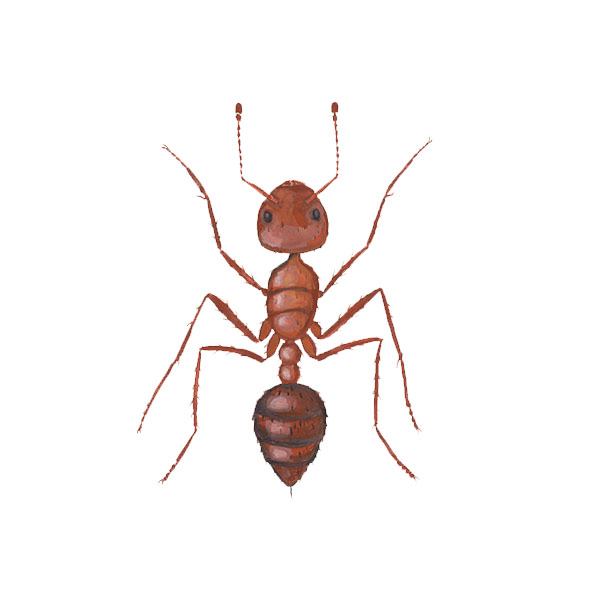
Fire ants are aggressive social insects known for their reddish coloration, segmented bodies, and painful stinging behavior. They are commonly recognized by their large colonies and distinctive mound-building activity in outdoor areas.
  • Actual Size 3 to 6 mm
  • Characteristics Reddish-brown to dark brown ants with segmented bodies, a narrow waist, and a more robust build. Well known for their aggressive behavior and painful sting.
  • Legs 6
  • Antennae Yes
  • Wings Only the reproductive ants develop wings

What Do Fire Ants Do?

Fire ants feed on a variety of organic materials, including insects and plant-based foods, which they collect to feed the colony. They are most active during warm parts of the day and will quickly swarm when their nests are threatened.
  • An aggressive social insects that live in large underground colonies with organized worker, soldier, and reproductive castes.
  • They are most active in warm weather and quickly respond in large numbers when their mound is disturbed.
  • Known to build distinctive soil mounds that mark the entrances to their underground nests.
  • They are known for delivering painful stings that can cause burning sensations and skin irritation.

Where Do You Find Ants?

Fire ants are frequently seen in grassy and soil-rich environments, especially in areas with warm temperatures where their colonies thrive and spread rapidly. Common places you’ll find fire ants include:
  • Lawns and grassy yards
  • Garden beds and flower beds
  • Open fields and pastures
  • Soil mounds in sunny areas
  • Around sidewalks and driveways
  • Under rocks and landscape debris
  • Near tree bases and shrubs
  • Sandy or loose soil areas
  • Mulch beds and landscaped areas

What Should I Do If I Have Fire Ants in Georgia?

Fire ants are not disease carriers, but they can create health risks through painful stings that may trigger irritation or allergic reactions. If you’re dealing with fire ants, the following steps are highly recommended:
  • Avoid disturbing mounds to prevent aggressive swarming and stings.
  • Treat the surrounding areas to reduce satellite colonies and reinfestation.
  • Remove outdoor food sources like pet food or fallen fruit.
  • Wear protective footwear and clothing when working in infested areas.
  • Monitor treated areas regularly for new mound activity.
  • Contact a pest control professional if infestations persist or spread.

Top 5 FAQs About Fire Ants in Georgia

Have questions about fire ants? Start with our most frequently asked questions below. If you still need help, don’t hesitate to reach out by phone or email.
Are fire ants dangerous?
Yes, they can be dangerous because their stings are painful and may cause allergic reactions in some people.
What do fire ants eat?
Fire ants are omnivores and feed on insects, seeds, sugary substances, and food scraps.
How do fire ants get into yards or homes?
They spread through soil movement, landscaping materials, and by foraging through small cracks and openings.
How can I get rid of fire ants?
Effective control often requires treating the entire colony using bait products, reducing attractants, and maintaining yard conditions.
What should I do if I have fire ants?
Take careful steps to avoid disturbing the colony, including:
• Avoid stepping on mounds.
• Use bait treatments around active areas.
• Keep outdoor areas clean and dry.
• Contact pest control for large or recurring infestations.

Tawny Crazy Ant

Tawny crazy ant control and prevention - Active Pest Control
Health RiskMedium
Damage RiskLow
NuisanceHigh

How to Identify Tawny Crazy Ants

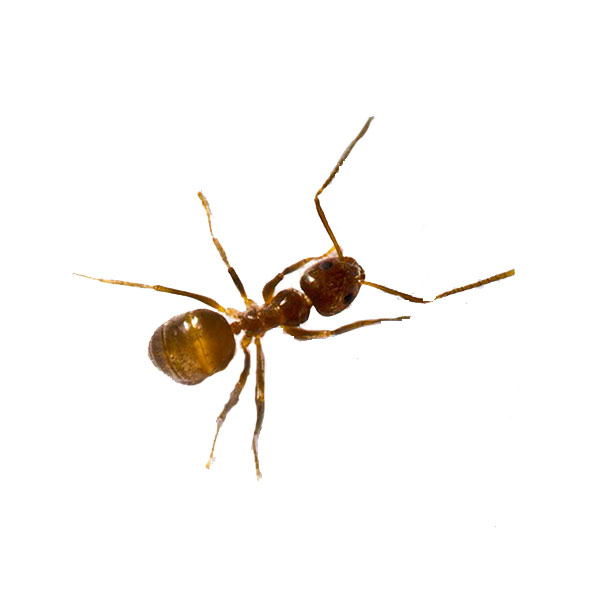
These ants are identifiable by their tawny coloring, quick and erratic movement patterns, and attraction to sweets and food residues.
  • Actual Size 2 to 4 mm
  • Characteristics Small reddish-brown ants with slender bodies that move in fast, erratic patterns and often swarm in large numbers while foraging for food sources.
  • Legs 6
  • Antennae Yes
  • Wings Only the reproductive ants develop wings

What Do Tawny Crazy Ants Do?

Search for sugary substances, food residues, and organic materials that fuel their large colonies. They are highly active in warm conditions where food and moisture are easy to access.
  • They often form extremely large colonies that can contain multiple queens.
  • They are highly invasive and can quickly dominate areas where they establish.
  • They are known for displacing other ant species and disrupting local ecosystems.
  • They are attracted to electrical equipment and have been known to damage wiring in some cases.

Where Do You Find Tawny Crazy Ants?

Typically found in and around structures, as well as natural outdoor habitats where they can expand rapidly. Common places you’ll find tawny crazy ants include:
  • Kitchen counters and food preparation areas
  • Around sinks, dishwashers, and plumbing fixtures
  • Inside wall voids and hidden interior spaces
  • Along baseboards, floors, and wall edges
  • Behind appliances such as refrigerators, stoves, and washing machines
  • Electrical outlets, breaker boxes, and utility areas
  • Damp basements, crawl spaces, and foundation areas
  • Lawns, gardens, and landscaped areas with heavy ground cover
  • Around trees, shrubs, and areas with insect honeydew sources
  • Outdoor electrical equipment, AC units, and utility boxes

What Should I Do If I Have Tawny Crazy Ants in Georgia?

Considered highly disruptive nuisance pests due to their tendency to forage indoors in large swarms for food scraps and sugary substances. If you’re dealing with tawny crazy ants, the following steps are highly recommended to help control them:
  • Wipe down kitchen surfaces frequently and remove crumbs, spills, and grease buildup.
  • Store all food in sealed, airtight containers to reduce access to food sources.
  • Clean up sugary spills, pet food, and food debris immediately after they occur.
  • Repair plumbing leaks and reduce excess moisture in kitchens, bathrooms, and outdoor areas.
  • Trim back vegetation and keep landscaping clear of the home’s foundation.
  • Avoid disturbing colonies in ways that may cause them to split or spread.
  • Contact an ant control professional if activity becomes widespread or continues to increase.

Top 5 FAQs About Tawny Crazy Ants in Georgia

Questions about small honey ants? Check out our frequently asked questions below for quick answers. If you still need help, contact us anytime.
Why are they called tawny crazy ants?
They are called tawny crazy ants because of their tawny (reddish-brown) color and their “crazy,” unpredictable movement patterns while foraging.
Are tawny crazy ants dangerous?
They are not considered dangerous to humans in terms of biting or stinging, but they can be a major nuisance due to their overwhelming colony sizes.
How do tawny crazy ants get inside homes?
They enter through small cracks, gaps around doors and windows, and utility openings while searching for food and moisture.
Can tawny crazy ants damage property?
They do not typically cause structural damage, but they can interfere with electrical systems and create serious infestation problems outdoors and indoors.
How do I get rid of tawny crazy ants?
Control usually involves baiting, reducing food and moisture sources, removing outdoor harborage areas, and often requires professional ant control for effective long-term management.

Trap-Jaw Ant

Trap jaw ant control and removal - Active Pest Control
Health RiskLow
Damage RiskLow
NuisanceLow

How to Identify Trap-Jaw Ants

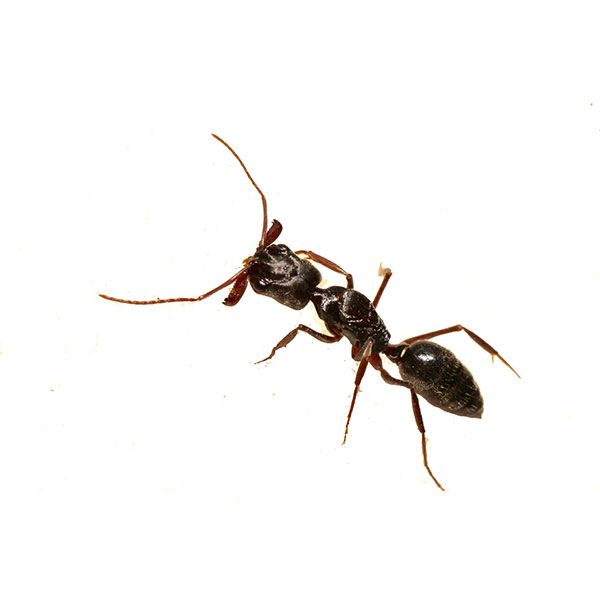
Can best be recognized by their dark brown to reddish coloring and their extremely fast, snapping mandibles used for capturing prey and defending their nests.
  • Actual Size 6 to 15 mm
  • Characteristics Medium-sized ants known for their dark brown to reddish coloring and their long, powerful mandibles that can snap shut at high speed.
  • Legs 6
  • Antennae Yes
  • Wings Only the reproductive ants develop wings

What Do Trap-Jaw Ants Do?

Trap-jaw ants rely on hunting small insects and scavenging organic matter to fuel colony growth. They become highly active in warmer periods when food is readily available.
  • Known for their extremely fast mandibles that can snap shut at some of the highest speeds in the insect world.
  • They can use their mandibles to launch themselves backward to escape danger after snapping their jaws shut.
  • Solitary hunters compared to many other ant species, often actively chasing down small insects for food.
  • They primarily feed on other insects and arthropods, making them important predators in their ecosystems.

Where Do You Find Trap-Jaw Ants?

Typically discovered in outdoor areas such as forests, gardens, and grasslands, where they build nests in soil and hunt for prey. Common places you’ll find trap-jaw ants include:
  • Warm, sandy soil in open outdoor areas
  • Forest floors with leaf litter and organic debris
  • Under rocks, logs, and fallen branches
  • Garden beds and landscaped areas with loose soil
  • Grasslands and meadow environments
  • Around tree bases and exposed root systems
  • Occasionally, indoors near doors or entry points, but not as established colonies

What Should I Do If I Have Trap-Jaw Ants in Georgia?

Nuisance pests that are typically found outdoors but may occasionally wander into structures while hunting for food. If you’re dealing with trap-jaw ants, the following steps are recommended to help control them:
  • Avoid disturbing nests, since these ants may respond quickly and aggressively when threatened.
  • Reduce outdoor clutter like logs, rocks, and leaf litter that can provide nesting sites.
  • Maintain clean, well-kept garden and yard areas to minimize hiding and hunting spots.
  • Trim back vegetation and prevent landscaping from becoming overgrown near the home.
  • Use targeted bait or outdoor treatments designed for ant colonies when appropriate.
  • Contact an ant control professional if activity continues or begins spreading near the structure.

Top 5 FAQs About Trap-Jaw Ants in Georgia

Looking for answers about trap-jaw ants? Read through our FAQs below. If you still need help, don’t hesitate to contact us.
Why are they called trap-jaw ants?
They are called trap-jaw ants because their jaws can open wide and snap shut at incredible speed, functioning like a mechanical trap.
Are trap-jaw ants dangerous?
They are not dangerous to humans in a medical sense, but they can deliver a painful bite if handled or disturbed.
Where do trap-jaw ants live?
They are typically found in warm outdoor environments such as forests, grasslands, and gardens, nesting in soil or under debris.
Do trap-jaw ants come inside homes?
They are primarily outdoor ants and rarely establish indoor colonies, though they may occasionally wander inside by accident.
How do I get rid of trap-jaw ants?
Control involves reducing outdoor nesting sites, limiting food sources, maintaining yard cleanliness, and contacting a pest control professional if needed.

Webworm

Webworm Identification, Habits & Behavior - Active Pest Control
Health RiskNo Risk
Damage RiskMedium
NuisanceLow

How to Identify Webworms

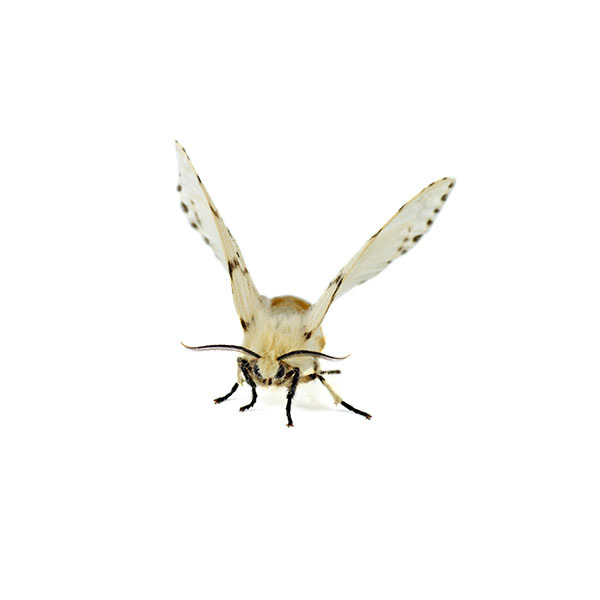
Webworms are identified by their hairy caterpillar bodies and the protective webbing they spin over leaves and branches, often visible on affected trees in late summer.
  • Actual Size 20 to 30 mm
  • Characteristics Typically pale yellow to light green or grayish in color, often with darker spots or stripes and a hairy appearance that can make them look fuzzy or bristly.
  • Legs 6
  • Antennae Yes
  • Wings No (larval stage)

What Do Webworms Do?

These pests are commonly noticed during warm months, when they emerge on trees and shrubs and spin protective silk webs over leaves and branches.
  • Webworms are caterpillar larvae that create large, silken webs over tree branches while feeding.
  • They commonly feed on the leaves of shade trees such as pecan, walnut, and maple.
  • They overwinter in protected cocoons and emerge as adult moths in the spring or summer.
  • Webworm damage is often identified by large, unsightly webs and chewed or skeletonized leaves.

Where Do You Find Webworms?

Webworms are typically found in tree canopies and surrounding vegetation, where they gather in groups and build protective silken webs. Common places you’ll find webworms include:
  • Shade trees such as oak, maple, and pecan
  • Ornamental trees in residential landscapes
  • Fruit and nut trees in orchards
  • Branches covered in dense foliage
  • Backyard gardens with nearby trees or shrubs
  • Tree canopies during late summer and early fall
  • Park and street trees in urban areas

What Should I Do If I Have Webworms in Georgia?

These pests are not harmful to people, but they can become a nuisance when they spread across trees and shrubs, forming large webs and feeding in groups. If you’re noticing webworms in your yard, the following steps are suggested:
  • Prune and remove branches that are heavily covered in webbing.
  • Knock down small webs with a strong stream of water from a hose.
  • Regularly inspect trees and shrubs for early signs of webbing.
  • Remove and destroy visible webs and caterpillar clusters when possible.
  • Keep trees healthy with proper watering and fertilization to improve resilience.
  • Rake up and dispose of fallen leaves and debris around affected trees.
  • Contact professional pest control if infestations are widespread or recurring.

Top 5 FAQs About Webworms in Georgia

Looking for answers about webworms? Review our FAQ section below. For more support, you can contact us by phone or email.
What are webworms?
Webworms are caterpillar larvae that spin protective silk webs over tree branches while feeding on leaves in groups.
Are webworms harmful to humans?
No, webworms do not bite, sting, or pose any health risk to people or pets.
What trees do webworms usually infest?
Common hosts include pecan, walnut, maple, oak, and other broadleaf shade trees.
Do webworms kill trees?
Healthy trees usually survive infestations, but heavy feeding can cause defoliation and stress.
How can webworms be controlled?
Small infestations can be pruned or washed off. Call pest control if infestations are widespread, recurring, or severe.

Raccoon

Raccoon information and control - Active Pest Control
Health RiskHigh
Damage RiskMedium
NuisanceHigh

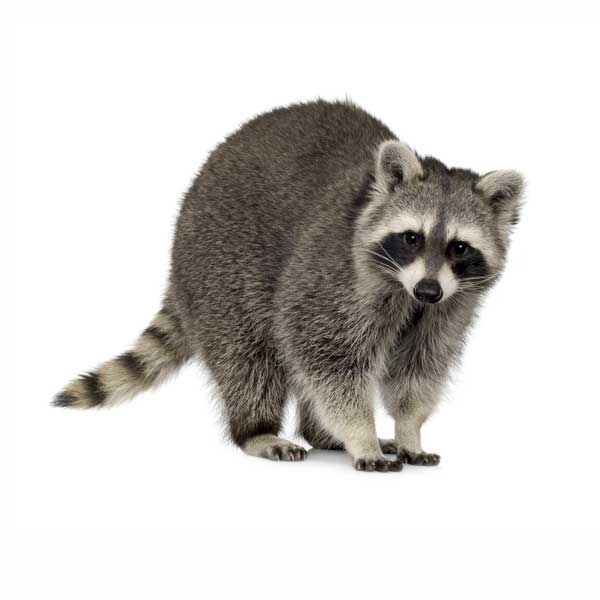
How to Identify Raccoons

Raccoons are nighttime-active mammals recognized for their gray fur, distinctive black facial mask, and ringed tails, often climbing and exploring both natural and urban environments in search of food.
  • Actual Size 2 to 3 feet in total length, including the tail
  • Characteristics Nocturnal scavenger recognized for its dexterous front paws, masked facial markings, and ability to climb while foraging.
  • Coloration Thick grayish fur with black facial markings and a ringed tail.

What Do Raccoons Do?

Raccoons are highly adaptable omnivores that feed on fruits, insects, eggs, and discarded human food, and are commonly found in forests, suburbs, and cities. Their nocturnal foraging often leads them into neighborhoods in search of easy meals.
  • Highly intelligent mammals known for their problem-solving abilities and curiosity.
  • They have extremely dexterous front paws that allow them to open containers, doors, and latches.
  • They often use attics, chimneys, and crawl spaces for nesting when living near people.
  • Can carry parasites and diseases, making proper caution important when they are near homes.

Where Do You Find Raccoons?

Raccoons typically inhabit wooded regions, residential areas, and blended natural environments where they can find abundant food sources and safe shelter. Common places you’ll find raccoons include:
  • Wooded forests with dense tree cover
  • Suburban neighborhoods with accessible trash and food sources
  • Urban alleys and city streets near dumpsters
  • Residential backyards with sheds, decks, and crawl spaces
  • Parks and green spaces with trees and water access
  • Attics, chimneys, and garages in residential homes
  • Agricultural areas and farm edges with crops and stored feed

What Should I Do If I Have Raccoons in Georgia?

Raccoons often live in outdoor environments such as wooded neighborhoods, residential properties near forests, and overgrown landscapes, where they may nest in attics or under structures and cause property concerns. If raccoons are causing problems on your property, the following steps are recommended:
  • Use secure, tightly sealed trash cans or wildlife-proof containers to eliminate easy access to food.
  • Bring pet food indoors and remove bird seed at night when raccoons are most active.
  • Seal openings around the home, including attic vents, crawl spaces, and gaps beneath decks or sheds.
  • Cut back tree limbs that extend close to your roof to limit access to your structure.
  • Check attics, garages, and chimneys for nesting signs such as droppings, shredded insulation, or noise.
  • Add motion-activated lights or deterrent devices to discourage raccoons from approaching your property at night.
  • Reach out to professional wildlife control for effective removal and long-term raccoon prevention solutions.

Top 5 FAQs About Raccoons in Georgia

For answers about raccoons and removal options, please see our FAQ section below. If you have further questions, reach out by phone or email.
Are raccoons dangerous to humans?
While not typically aggressive, they can bite or scratch if threatened and may carry parasites or diseases.
Where do raccoons nest?
Raccoons often nest in attics, chimneys, crawl spaces, hollow trees, or under decks and sheds.
Can raccoons damage my home?
Yes, raccoons can tear insulation, damage roofing, rip vents, and create entry points while trying to access shelter.
Do raccoons carry diseases?
Raccoons can carry diseases such as rabies and parasites like roundworm, fleas, and ticks, which can pose health risks.
How do I keep raccoons away?
Secure trash, remove outdoor food sources, seal entry points, trim trees near roofs, and contact wildlife control for persistent issues.

Fruit Fly

Fruit fly information and control - Active Pest Control
Health RiskMedium
Damage RiskNo Risk
NuisanceMedium

How to Identify Fruit Flies

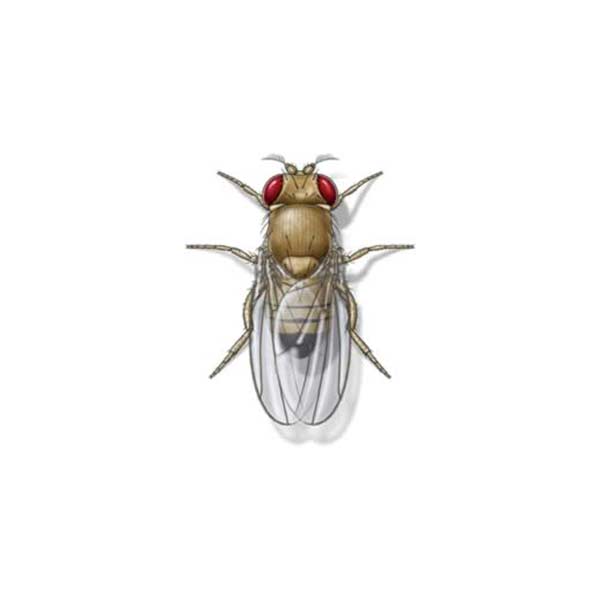
Fruit flies are characterized by their small bodies, prominent eyes, and rapid, hovering flight that makes them common around overripe produce.
  • Actual Size 2 to 4 mm
  • Characteristics Tiny flies with light brown bodies and distinctive red eyes.
  • Legs 6
  • Antennae Yes
  • Wings Yes, a single pair of transparent wings

What Do Fruit Flies Do?

Fruit flies breed in moist, sugary organic material such as rotting fruit and juice residue, and are frequently noticed in areas where food is stored or prepared.
  • Most active in areas where food is exposed, especially around fruit bowls, trash cans, and kitchen counters.
  • They can reproduce very quickly in warm conditions where fermenting organic matter is readily available.
  • They are frequently seen hovering around sinks, drains, and garbage disposals when food particles are present.
  • Fruit fly infestations often persist when the source of decaying organic material is not located and removed.

Where Do You Find Fruit Flies?

Fruit flies are frequently found in homes around food prep areas and trash bins, where they multiply in leftover fruit and food residue. Other common places you’ll find fruit flies include:
  • Kitchens and food prep areas
  • Fruit bowls and countertop produce displays
  • Garbage cans and trash bins with food waste
  • Recycling bins with sticky residue or food containers
  • Pantries with ripening or stored produce
  • Around sinks with food particles or drain residue
  • Restaurants and commercial kitchens
  • Grocery stores in produce and storage areas

What Should I Do If I Have Fruit Flies in Georgia?

Fruit flies can quickly become a recurring indoor issue when they breed in overripe produce and collect around food prep areas and garbage bins. If fruit flies are causing problems, the following steps are recommended:
  • Remove all overripe or rotting fruit from countertops immediately.
  • Store fruits and vegetables in the refrigerator when possible.
  • Empty trash and recycling bins regularly, especially if they contain food waste.
  • Clean up spills, juice residue, and sticky spots on counters and floors.
  • Take out garbage frequently and use sealed trash bins.
  • Clean drains and sink areas where food particles may collect.
  • Set fruit fly traps (vinegar traps or commercial options) to reduce populations.
  • Keep kitchen surfaces clean and dry to eliminate breeding sources.
  • Contact a pest control professional if fruit fly infestations persist or spread despite cleaning efforts.

Top 5 FAQs About Fruit Flies in Georgia

To better understand fruit flies, start with the FAQs provided below. If you still need support, feel free to get in touch by phone or email.
Why do I have fruit flies in my home?
They are usually drawn indoors by overripe fruit, food spills, garbage, or other fermenting organic material.
How long do fruit flies live?
Adult fruit flies typically live about 1 to 2 weeks, but they can reproduce rapidly in that time.
How do I get rid of fruit flies?
Remove all food sources, clean surfaces thoroughly, take out trash regularly, and use traps such as vinegar or commercial fly traps.
Why are fruit flies so hard to eliminate?
They reproduce quickly and can develop in very small amounts of organic material that are easy to overlook.
When should I call a pest control professional for fruit flies?
If fruit flies continue to appear after cleaning and removing food sources, a pest control professional can help locate hidden breeding sites and eliminate the infestation.

Gnat / Midge (non-biting)

Gnat fly information and control - Active Pest Control
Health RiskNo Risk
Damage RiskNo Risk
NuisanceMedium

How to Identify Midges

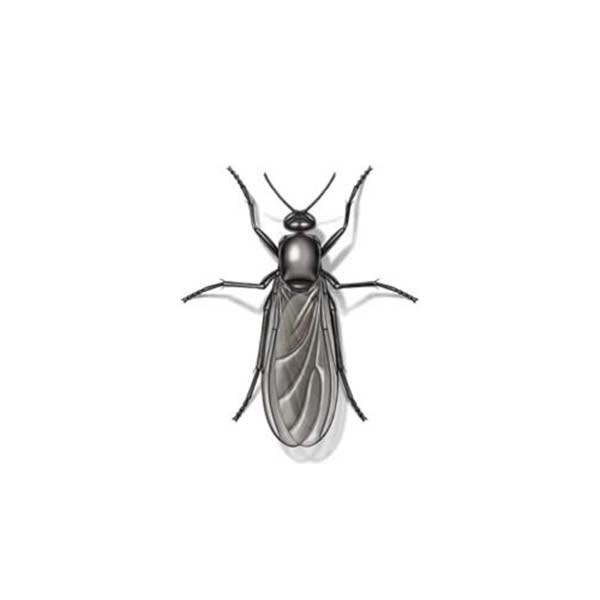
These insects are identified by their small, slender bodies and erratic, drifting flight patterns that often gather near windows and moist environments. True midges belong to the Chironomidae family, but because they’re so tiny and accurate identification can be a challenge, they’re often referred to by the imprecise term “gnats,” which is also sometimes used as a catch-all for various fly species. Non-biting midges may also go by different regional nicknames, including blind mosquitoes, lake flies, chironomids, muffleheads and gnats.
  • Actual Size 2 to 6 mm
  • Characteristics Tiny, delicate insects with slender bodies and a mosquito-like appearance.
  • Legs 6
  • Antennae Yes
  • Wings Yes, one pair of transparent wings

What Do Midges and Gnats Do?

They develop in moist organic buildup, such as algae, plant debris, and wet soil, and are often seen swarming near streams, ponds, and other aquatic environments.
  • They often develop in or near water sources such as ponds, lakes, streams, and wetlands.
  • Large swarms of midges are commonly seen near lights at night, especially in warm, humid weather.
  • Non-biting gnats can become a nuisance when they emerge in large numbers from nearby water or damp environments.
  • They are often mistaken for mosquitoes, but they lack the ability to bite or transmit blood-borne diseases.

Where Do You Find Non-Biting Midges?

Non-biting gnats/midges are frequently observed near rivers, ponds, and marshy areas, where they reproduce in water-rich environments with decaying organic matter. Other common places you’ll find gnats/midges include:
  • Lakeshores and pond edges
  • Marshes and wetlands
  • Streams, rivers, and creek banks
  • Swampy or low-lying flood-prone areas
  • Gardens with consistently moist soil
  • Areas with standing water outdoors
  • Irrigated lawns and overwatered landscapes
  • Around outdoor lights near water sources

What Should I Do If I Have Non-Biting Midges in Georgia?

Non-biting gnats/midges can become a persistent outdoor nuisance when they breed in wet soil and aquatic environments and gather in large swarms near lights and humid areas. If gnats/midges are causing problems, the following steps are recommended:
  • Reduce standing water around your property, including puddles, buckets, and clogged gutters.
  • Improve drainage in yards and landscaping to prevent overly wet soil conditions.
  • Turn off or reduce outdoor lighting at night to limit attraction to swarming adults.
  • Install or repair window and door screens to prevent entry indoors.
  • Keep windows closed during peak midge activity, especially at dusk and nighttime.
  • Use fans in outdoor seating areas to disrupt their weak flight patterns.
  • Contact a pest control professional if swarms become persistent or begin entering structures regularly.

Top 5 FAQs About Non-Biting Midges in Georgia

If you have questions about non-biting gnats/midges, begin with the FAQs below. If you still need assistance, get in touch by phone or email.
Why are there so many around my home?
They are usually attracted to moisture, standing water, and humid conditions near lakes, ponds, or poorly drained areas.
What do non-biting midges eat?
Adult midges typically do not feed much, while larvae feed on organic material, algae, or microscopic debris in water or soil.
Why do they swarm around lights?
They are strongly attracted to light sources, especially at night, which is why they often gather around outdoor lighting.
Can non-biting gnats damage plants or property?
Generally, no, although large swarms can be a nuisance, and some larvae may affect aquatic ecosystems in large numbers.
When should I contact a pest control professional for midges?
If swarms become persistent around your home or regularly enter indoor spaces, a fly control professional can help identify breeding sources and recommend control strategies.

House Fly

House fly information and control - Active Pest Control
Health RiskHigh
Damage RiskNo Risk
NuisanceHigh

How to Identify House Flies

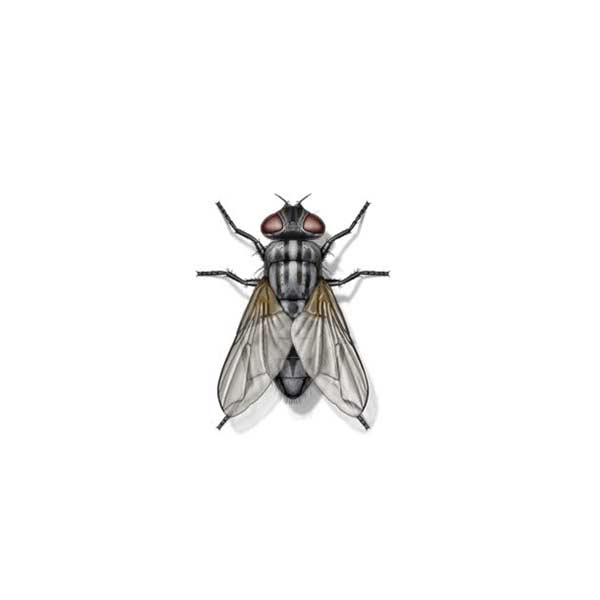
House flies are characterized by their quick, erratic flight and constant scavenging behavior, often seen around food, trash, and human activity areas.
  • Actual Size 6 to 7 mm
  • Characteristics Small gray flies with sponging mouthparts, known for their fast movement.
  • Legs 6
  • Antennae Yes
  • Wings Yes, one pair of clear wings

What Do House Flies Do?

These flies reproduce in areas with rotting organic debris and are often seen around trash bins, compost piles, and food preparation spaces.
  • They do not bite, but they use sponge-like mouthparts to dissolve and consume liquid food sources.
  • Strong, fast fliers that can quickly move between trash, food, and indoor spaces.
  • Can contaminate food and surfaces by carrying bacteria picked up from unsanitary materials.
  • They often land repeatedly on different surfaces, increasing the risk of spreading germs.

Where Do You Find House Flies?

House flies are frequently spotted near dumpsters, picnic areas, and livestock facilities where food residue and waste are available. They develop in wet, rotting organic matter and are highly adaptable to urban and rural environments. Other common places you’ll find house flies include:
  • Kitchens where food is being prepared or left uncovered
  • Garbage cans and trash bins, especially when not sealed tightly
  • Dumpsters behind restaurants, stores, and apartments
  • Outdoor picnic areas where food is exposed
  • Farms and livestock areas with manure or animal waste
  • Compost piles with decaying organic material
  • Drain areas and sinks with food residue buildup
  • Pet feeding areas where food or waste is left out

What Should I Do If I Have House Flies in Georgia?

House flies are found around kitchens, dumpsters, and outdoor eating areas, constantly moving between surfaces and contaminating food. If house flies are causing problems, the following steps are recommended:
  • Keep trash cans tightly sealed and empty them regularly.
  • Clean up food spills and crumbs immediately.
  • Wash dishes promptly and avoid leaving dirty dishes out.
  • Clean garbage disposals and drains to remove buildup.
  • Remove pet waste from yards or litter boxes frequently.
  • Use screens on windows and doors to block entry.
  • Clean outdoor areas like patios, grills, and picnic tables after use.
  • Use fly traps or sticky strips in areas where flies are active.
  • Contact a professional pest control service if house flies persist, as they can identify the source of the infestation, treat breeding areas, and help prevent future outbreaks.

Top 5 FAQs About House Flies in Georgia

Check the FAQs below to learn more about house flies. If you still need help, contact us by phone or email.
Are house flies dangerous?
Yes, house flies can spread harmful bacteria and pathogens because they land on contaminated surfaces and then on food or kitchen areas.
Why are house flies in my home?
House flies are attracted to food scraps, trash, pet waste, and other organic material that provides a place to feed and reproduce.
How can I prevent house flies?
Keep food sealed, clean up spills quickly, take out trash regularly, and eliminate standing water or decaying organic matter.
Do house flies bite people?
No, house flies do not bite. However, they can still spread germs by contaminating surfaces and food.
When should I call a pest control professional for house flies?
You should contact professional pest control if house flies persist despite cleaning efforts, as this may indicate an unseen breeding source.