Silverfish

Silverfish - Active Pest Control
Health RiskNo Risk
Damage RiskLow
NuisanceMedium

How to Identify Silverfish

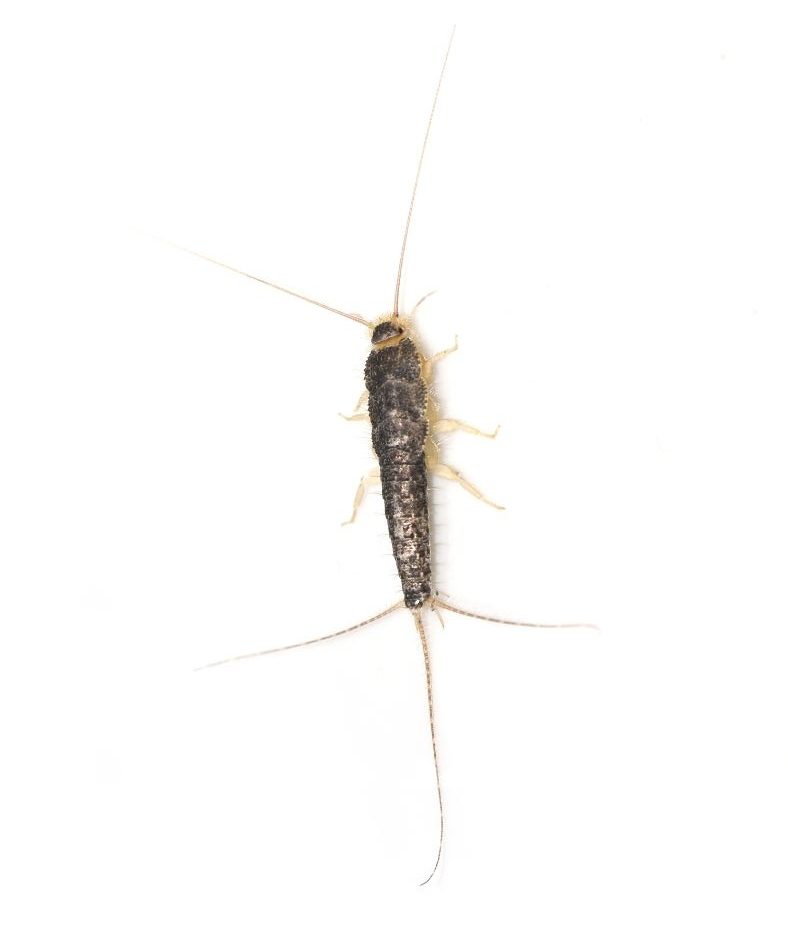
Silverfish can be identified by their slender, silvery-gray, carrot-shaped bodies with three tail-like appendages, often found in damp indoor areas like bathrooms, basements, and kitchens.
  • Actual Size 12 to 19 mm
  • Characteristics Small, wingless insects with slender, teardrop-shaped bodies covered in silvery-gray scales.
  • Legs 6
  • Antennae Yes
  • Wings No

What Do Silverfish Do?

Silverfish are commonly seen in moist, dark environments, where they emerge from cracks and voids to move across undisturbed household areas.
  • They feed on carbohydrates such as paper, glue, book bindings, wallpaper, and fabric.
  • Silverfish can survive for long periods without food, making them difficult to eliminate once established.
  • They move quickly in a wiggling, fish-like motion, which is how they get their name.
  • They often enter homes through cracks, gaps, and around plumbing or utility openings while searching for moisture and food sources.

Where Do You Find Silverfish?

These insects are typically found in humid, dark areas where they move rapidly through tight spaces, paper materials, and household storage. Common places you’ll find silverfish include:
  • Bathrooms
  • Behind baseboards and wall voids
  • Kitchens
  • Closets and clothing storage areas
  • Attics
  • Under sinks and around plumbing
  • Basements
  • Bookshelves and paper storage areas

What Should I Do If I Have Silverfish in Georgia?

Silverfish are generally harmless, but they may become a nuisance when they invade homes during periods of high moisture or humidity. If you’re experiencing a silverfish issue, consider the following measures:
  • Fix leaks and eliminate sources of excess moisture around plumbing and fixtures.
  • Seal cracks, gaps, and crevices in walls, floors, and around windows or doors.
  • Store books, paper, and cardboard in sealed plastic containers instead of open storage.
  • Clean up food crumbs, dust, and organic debris that can serve as food sources.
  • Improve ventilation in damp areas like bathrooms, attics, and crawl spaces.
  • Remove clutter and unnecessary stacks of paper or cardboard where silverfish can hide.
  • Contact professional pest control if silverfish activity is persistent or widespread.

Top 5 FAQs About Silverfish in Georgia

Need information on silverfish? Review our FAQ section below. For additional support, you can contact us by phone or email.
Why do silverfish come into homes?
They enter homes searching for moisture, food sources, and dark hiding places, especially in humid environments.
Where are silverfish commonly found?
They are often found in bathrooms, basements, kitchens, attics, and other damp, dark areas.
Are silverfish active during the day or night?
Silverfish are nocturnal and are most active at night while hiding during the day.
Do silverfish damage property?
Yes, they can damage books, paper items, wallpaper, and some fabrics over time.
How can I prevent silverfish in my home?
Reduce moisture, seal entry points, and keep areas clean and dry. Call professional pest control if infestations are frequent or widespread.

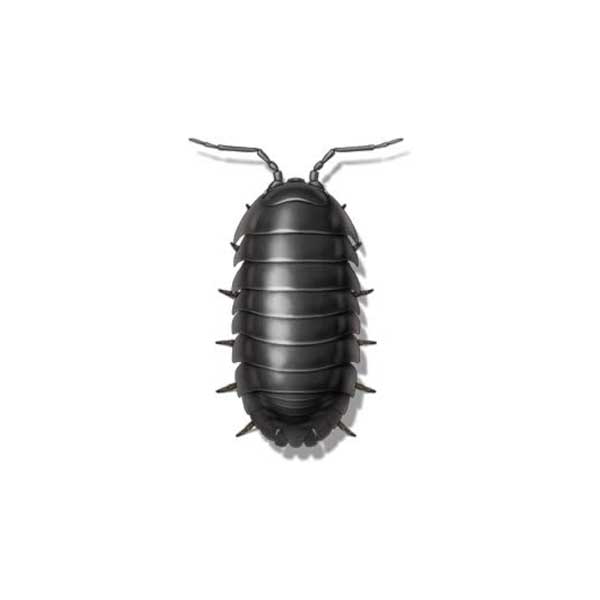
Sowbug

Sowbug information and control - Active Pest Control
Health RiskNo Risk
Damage RiskNo Risk
NuisanceLow

How to Identify Sowbugs

Sowbugs can be identified by their small, oval-shaped, gray bodies with a segmented, armor-like shell, often found in damp areas like basements, bathrooms, and under sinks.
  • Actual Size 8 to 15 mm
  • Characteristics Small, oval-shaped crustaceans with gray to dark gray segmented bodies and a hard, armor-like shell.
  • Legs 14
  • Antennae Yes
  • Wings No

What Do Sowbugs Do?

These creatures are commonly active in moist conditions, emerging from beneath logs, rocks, and debris to travel across shaded ground and indoor spaces.
  • Small crustaceans, closely related to pillbugs, shrimp, and crabs.
  • Unlike pillbugs, sowbugs cannot roll into a ball when disturbed.
  • They feed primarily on decaying organic matter, helping break down plant material in soil.
  • Sowbugs may occasionally enter homes during periods of excessive moisture or heavy rain while searching for shelter.

Where Do You Find Sowbugs?

Sowbugs are typically found in dark, damp areas where they slowly travel through leaf litter, mulch beds, and garden soil. Common places you’ll find sowbugs include:
  • Under rocks in gardens
  • In mulch beds and landscaped areas
  • In damp soil around plants and flower beds
  • Under logs and rotting wood
  • In leaf litter and compost piles
  • Inside basements or crawl spaces
  • Around foundation edges after heavy rain
  • Under potted plants and garden containers

What Should I Do If I Have Sowbugs in Georgia?

These pests are harmless to people, but they can still be a nuisance when they enter homes in search of moisture during humid conditions. If you’re noticing sowbugs in your home, the following steps are suggested:
  • Reduce excess moisture by fixing leaks and improving drainage around your home.
  • Seal cracks and gaps around doors, windows, and foundations to prevent entry.
  • Remove leaf litter, mulch buildup, and decaying organic debris near the home.
  • Keep basements, garages, and storage areas clean, dry, and well-ventilated.
  • Relocate potted plants away from the foundation to reduce hiding areas.
  • Contact professional pest control if sowbugs are entering frequently or in large numbers.

Top 5 FAQs About Sowbugs in Georgia

Have questions about sowbugs? Explore our FAQ section below. For further assistance, feel free to contact us by phone or email.
What is the difference between sowbugs and pillbugs?
Sowbugs cannot roll into a ball, while pillbugs can. Both prefer damp environments and feed on decaying organic matter.
Why are sowbugs in my house?
They often enter homes during heavy rain or when outdoor conditions become too dry or disruptive.
Do sowbugs damage homes or property?
No, they do not damage structures, wood, or household items. They mainly feed on decaying plant material.
How can I prevent sowbugs in my home?
Reduce moisture, seal entry points, and remove organic debris near the foundation of your home.
When should I call a professional for sowbugs?
Contact professional pest control if sowbugs are entering your home frequently or in large numbers despite preventive efforts.

Boxelder Bug

Boxelder bug information and control  - Active Pest Control
Health RiskLow
Damage RiskLow
NuisanceMedium

How to Identify Boxelder Bugs

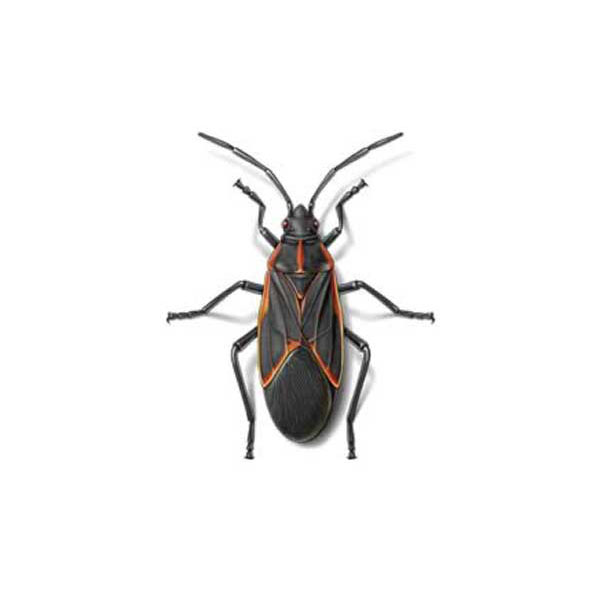
These common nuisance pests are known for their black bodies with red lines, elongated shape, and tendency to cluster on warm exterior surfaces.
  • Actual Size 11 to 14 mm
  • Characteristics Flattened black body with distinctive reddish-orange markings along the wings and thorax.
  • Legs 6
  • Antennae Yes
  • Wings Yes

What Do Boxelder Bugs Do?

Boxelder bugs feed primarily on seeds, leaves, and sap from boxelder, maple, and ash trees. They often become most noticeable during cooler months when they gather on sunny exterior walls and move indoors seeking shelter.
  • Feed primarily on the seeds and sap of boxelder, maple, and ash trees.
  • They are most noticeable during the fall when large groups gather on warm exterior walls and windows.
  • They often enter homes and buildings while searching for protected overwintering sites.
  • Large indoor infestations can become a nuisance due to their odor, staining, and tendency to gather in hidden spaces.

Where Do You Find Boxelder Bugs?

Boxelder bugs are often seen near trees that produce seeds, as well as around homes and buildings where they search for warmth and shelter. Common places you’ll find boxelder bugs include:
  • Around boxelder trees
  • On maple trees and other seed-producing trees
  • Along sunny exterior walls of homes
  • Near windows and door frames
  • Inside attics, garages, and wall voids
  • Around decks, patios, and porches
  • In gardens, landscaped yards, and flower beds
  • Beneath siding, shutters, and roof overhangs

What Should I Do If I Have Boxelder Bugs in Georgia?

Boxelder bugs are not known to spread diseases to humans or animals, but they can become a major nuisance when large groups gather around homes and buildings. If you’re dealing with boxelder bugs, the following steps are highly recommended:
  • Seal cracks and gaps around windows, doors, and siding.
  • Repair damaged screens to help keep bugs out.
  • Vacuum instead of crushing them to avoid stains and odors.
  • Remove leaves, seed pods, and debris from around your home.
  • Trim back boxelder and maple tree branches near the structure.
  • Inspect attics, wall voids, and garages for entry points.
  • Contact a professional pest control company if boxelder bug activity becomes severe.

Top 5 FAQs About Boxelder Bugs in Georgia

Have questions about boxelder bugs? Check out our most frequently asked questions below. If you still don’t see what you’re looking for, contact us by phone or email.
Are boxelder bugs dangerous?
No, boxelder bugs are not dangerous to people, pets, or structures. They do not bite or transmit diseases, but they can become a nuisance when they gather in large numbers.
Why are boxelder bugs coming into my house?
They often enter homes in the fall when temperatures drop, looking for warm places to overwinter, such as wall voids, attics, and basements.
.
How can I get rid of boxelder bugs inside my home?
You can vacuum them up, seal entry points, and reduce indoor access. Avoid crushing them, as they can leave stains and a strong odor.
When are boxelder bugs most active?
They are most active in spring and fall. In the fall, they often gather on buildings seeking warmth.
Should I call a professional for boxelder bugs?
Yes, if infestations are large or recurring, a pest control professional can help identify entry points and provide targeted treatment.

Cellar Spider

Cellar spider identification and information - Active Pest Control
Health RiskNo Risk
Damage RiskNo Risk
NuisanceMedium

How to Identify Cellar Spiders

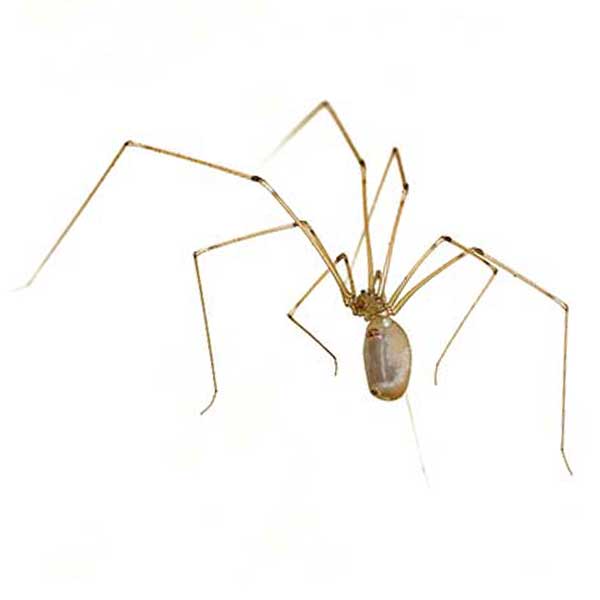
Cellar spiders are harmless arachnids with small, elongated bodies and very long, slender legs, typically found in a light gray to pale brown coloration.
  • Actual Size 1 to 2 inches leg span
  • Characteristics Pale gray, tan, or light brown spiders with extremely long, delicate legs and a small, narrow body.
  • Legs 8
  • Antennae No
  • Wings No

What Do Cellar Spiders Do?

Cellar spiders prefer quiet, undisturbed spaces such as basements, garages, crawl spaces, and ceiling corners where they can build webs and remain largely unnoticed.
  • They are not considered dangerous to humans, and bites are extremely rare due to their shy and nonaggressive nature.
  • They build irregular, tangled webs rather than the neat circular webs commonly associated with many other spider species.
  • When threatened, cellar spiders often vibrate rapidly in their webs, creating a blur that makes them more difficult for predators to target.
  • Female cellar spiders carry their egg sacs in their mouthparts instead of wrapping them completely in silk and leaving them in the web.

Where Do You Find Cellar Spiders?

These spiders thrive in sheltered indoor spaces with minimal disturbance, often occupying corners, ceilings, and other protected areas. Common places to find cellar spiders include:
  • Basements
  • Garages
  • Crawl Spaces
  • Attics
  • Ceiling Corners
  • Storage Rooms
  • Sheds and Workshops
  • Under Staircases

What Should I Do If I Have Cellar Spiders in Georgia?

Because they prefer low-traffic areas with abundant insect prey, cellar spiders may establish themselves in various parts of a home or building. If their presence is becoming excessive, try the following solutions:
  • Remove webs regularly using a vacuum, broom, or duster to reduce the number of spiders and egg sacs around your home.
  • Reduce clutter in basements, garages, attics, and storage areas to eliminate hiding spots and web-building locations.
  • Seal cracks and gaps around doors, windows, foundations, and utility openings to help prevent spiders from entering.
  • Lower indoor insect populations, since cellar spiders are attracted to areas where prey is readily available.
  • Clean ceiling corners, crawl spaces, closets, and other low-traffic areas where cellar spiders commonly build webs.
  • Contact a professional pest control company if cellar spiders become widespread or continue returning despite your prevention efforts.

Top 5 FAQs About Cellar Spiders in Georgia

Have questions about cellar spiders? Check out the FAQ section below first, and reach out by phone or email if you need further assistance.
Why are they called cellar spiders?
They are called cellar spiders because they are often found in dark, quiet areas like basements, crawl spaces, and other low-traffic parts of buildings.
What do cellar spiders eat?
Cellar spiders feed on small insects and other spiders. They help reduce populations of flies, mosquitoes, moths, and similar pests indoors.
How can I get rid of cellar spiders?
You can reduce them by removing webs, vacuuming regularly, reducing clutter, sealing entry points, and lowering insect populations inside the home.
Why do I keep seeing cellar spiders in my house?
They are attracted to areas with shelter and food sources. If insects are present and quiet hiding spots are available, cellar spiders may continue to return.
When should I call a professional for cellar spiders?
If cellar spiders are widespread, keep returning, or difficult to control with cleaning and prevention methods, a professional pest control service can help identify the source and provide targeted treatment.

Ground Beetle

Ground beetle information and control  - Active Pest Control
Health RiskLow
Damage RiskLow
NuisanceMedium

How to Identify Ground Beetles

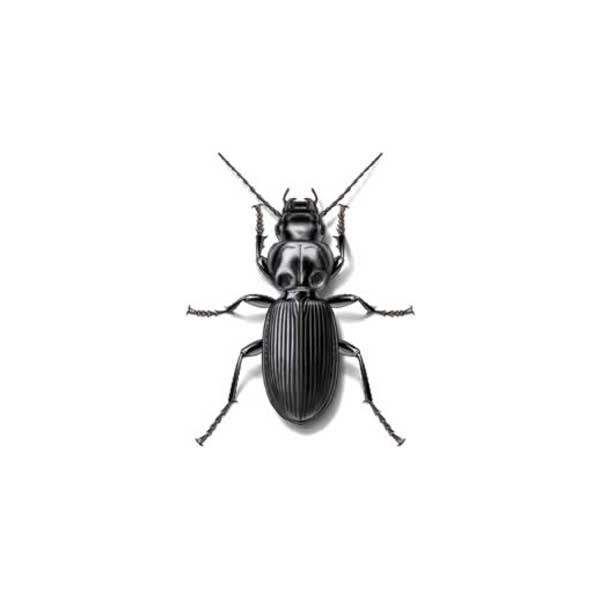
Ground beetles are small to medium-sized beetles with hard protective wing covers and powerful mandibles designed for preying on insects and other soft-bodied pests.
  • Actual Size 5 to 25 mm
  • Characteristics Dark-colored beetles, often black or brown, with elongated, flattened bodies.
  • Legs 6
  • Antennae Yes
  • Wings Yes, with hard protective outer wing covers

What Do Ground Beetles Do?

Ground beetles travel quickly across ground-level habitats and may be seen more often in yards and gardens when conditions support higher insect activity.
  • Mostly nocturnal predators that actively hunt other insects at night.
  • Most species live on or under the ground in soil, leaf litter, mulch, and under rocks or logs.
  • They have strong, fast-moving legs that allow them to run quickly when searching for prey or escaping threats.
  • When disturbed, some ground beetles release a defensive odor or chemical spray to deter predators.

Where Do You Find Ground Beetles?

Ground beetles are frequently found in soil-rich outdoor habitats where they hunt for prey, and they tend to become more active and visible during warmer months. Places you’re likely to encounter ground beetles include:
  • Under rocks and stones in gardens and yards
  • Within leaf litter in wooded areas and forests
  • In soil and mulch around landscaped plants and flower beds
  • Beneath logs, bark, and fallen branches
  • Along the edges of lawns and garden borders
  • In compost piles and decomposing organic matter
  • Under debris in parks and natural open spaces
  • Around the foundations of buildings where soil and moisture are present

What Should I Do If I Have Ground Beetles in Georgia?

Ground beetles typically do not cause structural damage, but they can appear in noticeable numbers in yards, gardens, and around buildings during peak activity periods. If ground beetles are becoming a concern, the following steps are recommended:
  • Reduce excess moisture around foundations, mulch beds, and landscaping where they tend to hide.
  • Seal cracks, gaps, and openings around doors, windows, and siding to prevent accidental indoor entry.
  • Use outdoor lighting strategically, since reducing excess lighting can help limit the insects that attract ground beetles.
  • Remove leaf litter, wood piles, and debris close to structures where they may shelter.
  • Keep doors and windows closed or screened during peak activity periods to reduce entry into homes.
  • Consider professional pest control if large numbers are consistently found indoors or around structural areas.

Top 5 FAQs About Ground Beetles in Georgia

Curious about ground beetles? Begin with the FAQ section below, then reach out by phone or email if you have more questions.
What do ground beetles eat?
Most ground beetles are predators that feed on other insects such as caterpillars, aphids, larvae, and soft-bodied pests. Some species also feed on seeds or plant material.
Why are ground beetles in my house?
They may accidentally enter homes while searching for shelter, especially during extreme weather or seasonal changes, but they do not live or reproduce indoors.
Do ground beetles damage homes or structures?
No, ground beetles do not damage buildings, wood, or household items. They are not considered structural pests.
How can I reduce ground beetles around my home?
You can reduce them by sealing entry points, reducing outdoor lighting, removing debris near foundations, and keeping mulch and vegetation managed close to the home.
Should I get rid of ground beetles?
In most cases, no. Since they are helpful predators outdoors, control is usually only needed if they become a recurring indoor nuisance. If so, contact a professional pest control service for help.

American Cockroach

American cockroach information - Active Pest Control
Health RiskMedium
Damage RiskLow
NuisanceHigh

How to Identify American Cockroaches

Recognized by their large, oval-shaped bodies, tough outer wings, and strong mouthparts designed for chewing a wide range of organic material.
  • Actual Size 1 to 2 inches long
  • Characteristics Reddish-brown cockroaches with broad, flattened bodies and long antennae.
  • Legs 6
  • Antennae Yes
  • Wings Yes

What Do American Cockroaches Do?

Attracted to a variety of organic materials, including leftover food, garbage, and sweet substances, and during feeding activity, they may spread across surfaces and enter buildings in large numbers.
  • Highly adaptable and can survive in sewers, basements, drains, and other warm, moist environments.
  • Although they have wings and can glide or fly short distances, they are more commonly seen crawling than flying.
  • They are nocturnal and tend to hide during the day in cracks, crevices, and dark, secluded areas.
  • Their presence in homes is often linked to moisture issues, poor sanitation, or easy access through plumbing and drainage systems.

Where Do You Find American Cockroaches?

They tend to thrive in areas with high moisture and abundant food sources such as grease, garbage, and decaying material, and they are often seen more frequently during seasonal temperature changes. Common places you’re likely to encounter American cockroaches include:
  • Sewers and drainage systems
  • Basements and crawl spaces
  • Kitchens, especially behind appliances and under sinks
  • Bathrooms, particularly around pipes, drains, and damp areas
  • Commercial buildings such as restaurants and food storage facilities
  • Garbage rooms, dumpsters, and trash collection areas
  • Utility tunnels and wall voids
  • Storm drains and outdoor water meter boxes

What Should I Do If I Have American Cockroaches in Georgia?

May lead to sanitation issues when they migrate from outdoor environments such as storm drains and garbage areas into indoor spaces, particularly during weather shifts. If American cockroaches are becoming a problem, the following steps are recommended:
  • Seal cracks, gaps, and entry points around doors, windows, pipes, and foundations to prevent cockroaches from getting inside.
  • Keep kitchens and food areas clean by wiping up spills, storing food in sealed containers, and removing crumbs and grease buildup.
  • Reduce moisture by fixing leaky pipes, using dehumidifiers, and keeping sinks, tubs, and drains dry when possible.
  • Take out trash regularly and use tightly sealed garbage containers both indoors and outdoors.
  • Clean behind and under appliances like refrigerators, stoves, and dishwashers where food debris can accumulate.
  • Use traps or baits in areas where cockroach activity is noticed, such as along walls, under sinks, and near drains.
  • Contact a professional cockroach control service if the infestation persists or becomes widespread to ensure proper identification and long-term treatment.

Top 5 FAQs About American Cockroaches in Georgia

Got questions about American cockroaches? Start with our FAQ section below, and contact us by phone or email if you need more help.
Where do American cockroaches live?
They are often found in sewers, crawl spaces, basements, kitchens, bathrooms, and other moist, dark areas.
Are American cockroaches dangerous?
They can pose health risks by spreading bacteria and contaminating food and surfaces with their droppings and shed skin.
What are the signs of an American cockroach infestation?
Signs include droppings, a musty odor, shed skins, egg cases, and sightings of live cockroaches, especially at night.
How do American cockroaches get inside buildings?
They enter through small openings in foundations, sewer lines, drains, vents, and gaps around doors and windows.
How can American cockroaches be prevented?
Prevention includes reducing moisture, sealing entry points, keeping food sealed, maintaining cleanliness, and contacting professional cockroach control.

Brown-banded Cockroach

Brown-banded cockroach identification  - Active Pest Control
Health RiskLow
Damage RiskLow
NuisanceLow

How to Identify Brown-banded Cockroaches

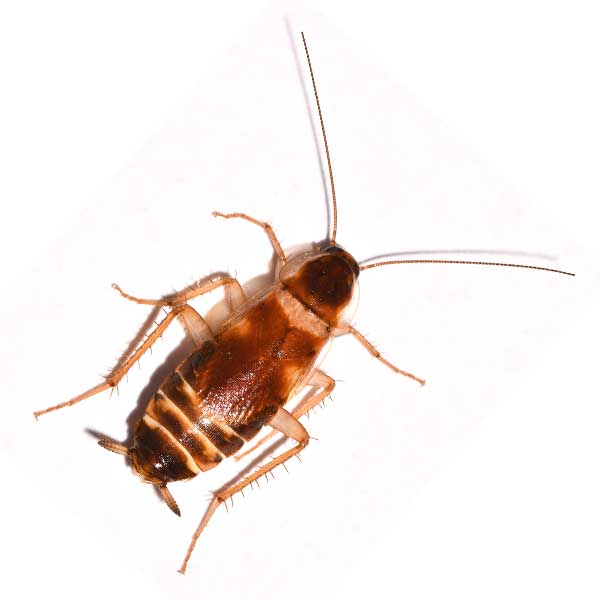
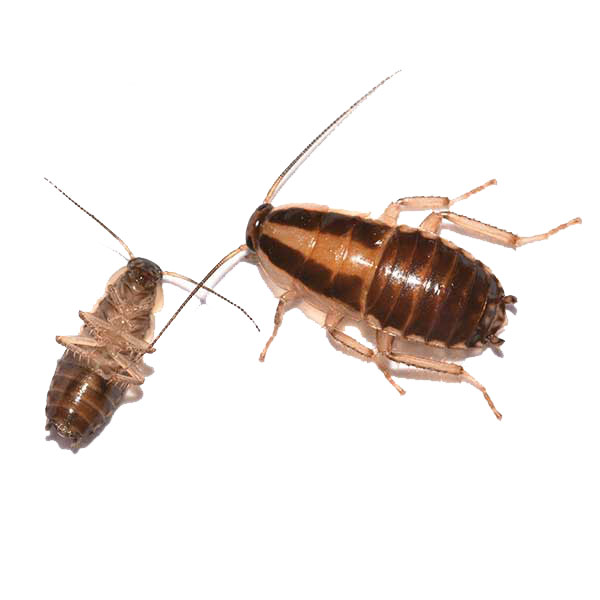
Best identified by their small, oval-shaped bodies and fully developed wings, along with mouthparts adapted for consuming a variety of organic materials.
  • Actual Size 1/2 to 5/8 inches long
  • Characteristics Slender, oval-shaped bodies and faint banding across the abdomen, along with long antennae.
  • Legs 6
  • Antennae Yes
  • Wings Yes

What Do Brown-banded Cockroaches Do?

Brown-banded cockroaches feed on organic debris like food waste and sugary substances, and as they search for nourishment, they can travel widely, contaminating surfaces and entering buildings.
  • Unlike some cockroach species that prefer moisture, brown-banded cockroaches are often found in drier areas such as upper cabinets, ceilings, and behind furniture.
  • These cockroaches tend to scatter quickly when disturbed, which allows them to spread across multiple rooms within a structure.
  • They often hide in warm, elevated areas like picture frames, electronics, and wall voids rather than staying near kitchens and bathrooms.
  • Can contaminate surfaces and food sources as they move, potentially spreading bacteria and allergens.

Where Do You Find Brown-banded Cockroaches?

They tend to thrive in indoor environments with low moisture and access to organic food sources like food waste and dust, and they often become more active when temperatures change seasonally. Common places you’re likely to encounter brown-banded cockroaches include:
  • Inside upper kitchen cabinets and pantry shelves
  • Behind picture frames, mirrors, and wall décor
  • Inside closets, especially on shelves with stored clothing or cardboard boxes
  • Around ceilings and high wall voids
  • Inside electronics such as TVs, routers, and other warm devices
  • Behind or under furniture like couches, dressers, and nightstands
  • In office spaces, especially around desks, filing cabinets, and storage areas
  • Inside bedrooms, particularly in headboards, bed frames, and nearby wall crevices

What Should I Do If I Have Brown-banded Cockroaches in Georgia?

May cause sanitation problems when they migrate into homes and buildings from indoor harborage sites like closets, electronics, and elevated wall spaces. If brown-banded cockroaches are becoming a problem, the following steps are recommended:
  • Reduce clutter in your home, especially in closets, storage areas, and rooms where brown-banded cockroaches commonly hide.
  • Seal cracks and crevices in walls, ceilings, and around baseboards to limit their access to hiding and nesting sites.
  • Store food in airtight containers and clean up crumbs, grease, and spills promptly to remove food sources.
  • Inspect and reduce cardboard storage, since these cockroaches often hide in paper-based materials.
  • Use sticky traps or monitoring stations in areas where activity is suspected to help track and reduce infestations.
  • Contact professional cockroach control if the infestation persists or spreads, as trained technicians can identify harborage areas and provide targeted treatment.

Top 5 FAQs About Brown-banded Cockroaches in Georgia

If you have questions about brown-banded cockroaches, begin with the FAQ section below, and feel free to contact us by phone or email if you need more help.
Where are brown-banded cockroaches commonly found in homes?
They are often found in upper cabinets, closets, behind picture frames, inside electronics, and in ceiling or wall voids.
Are brown-banded cockroaches dangerous to humans?
While they do not bite, they can contaminate food and surfaces and may contribute to allergy and asthma symptoms in some individuals.
How do brown-banded cockroaches get into a home?
They can be introduced through infested items like furniture, boxes, electronics, or may move from nearby structures.
What are the signs of a brown-banded cockroach infestation
Signs include sightings of live cockroaches in elevated areas, small droppings that resemble pepper, shed skins, and egg cases hidden in furniture or shelving.
How can I get rid of brown-banded cockroaches?
Effective control includes cleaning, reducing clutter, sealing entry points, and using traps or insecticides. Severe infestations will require professional cockroach control services.

German Cockroach

German cockroach information - Active Pest Control
Health RiskHigh
Damage RiskLow
NuisanceHigh

How to Identify German Cockroaches

Small, slender, oval-shaped bodies with light brown coloring, distinct dark parallel bands behind the head, and fully formed wings.
  • Actual Size 1/2 to 5/8 inches long
  • Characteristics Light brown cockroaches with slim, oval-shaped bodies, subtle abdominal banding, and long antennae.
  • Legs 6
  • Antennae Yes
  • Wings Yes

What Do German Cockroaches Do?

German cockroaches consume organic debris such as food waste and sweet substances, and their constant foraging allows them to travel through structures while contaminating surfaces along the way.
  • One of the most common indoor cockroach species and are frequently found in kitchens and bathrooms where food and moisture are available.
  • They are known to spread bacteria and allergens as they move across food preparation surfaces and stored food items.
  • These cockroaches can develop resistance to certain insecticides over time, making infestations more difficult to control without professional treatment.
  • Can trigger asthma and allergic reactions in sensitive individuals, especially in heavily infested environments.

Where Do You Find German Cockroaches?

Commonly found in humid indoor areas with access to food residue, grease, and organic waste, they often become more active as temperatures fluctuate. Common places you’re likely to encounter German cockroaches include:
  • Inside pantries
  • Inside kitchen cabinets and drawers
  • Around sinks and dishwashers
  • Behind refrigerators and stoves
  • Inside bathrooms, especially near pipes, drains, and damp areas
  • In cracks and crevices along baseboards and walls
  • Behind appliances and inside utility areas like laundry rooms
  • Inside commercial kitchens, restaurants, and food preparation areas

What Should I Do If I Have German Cockroaches in Georgia?

Often create hygiene problems when they infest homes and buildings, spreading from concealed areas such as drains, wall voids, and kitchen equipment. If German cockroaches are becoming a problem, the following steps are recommended:
  • Keep kitchens clean by wiping down counters, sweeping floors, and removing food crumbs and grease regularly.
  • Store all food in sealed, airtight containers and avoid leaving food out overnight.
  • Fix plumbing leaks and reduce moisture around sinks, drains, and appliances to limit ideal conditions for German cockroaches.
  • Seal cracks, gaps, and crevices in walls, cabinets, and baseboards to reduce hiding and nesting areas.
  • Remove clutter such as cardboard boxes, paper stacks, and unused items that can provide shelter.
  • Dispose of garbage frequently and keep trash cans tightly sealed to reduce food sources.
  • Contact professional cockroach control if the infestation persists or spreads, as experts can target hiding areas and apply effective treatments.

Top 5 FAQs About German Cockroaches in Georgia

Have questions about German cockroaches? Check the FAQ section below to get started, and reach out by phone or email if you need extra help.
Where do German cockroaches usually live?
They prefer warm, humid indoor areas such as under sinks, behind appliances, inside cabinets, and near food preparation spaces.
Are German cockroaches dangerous?
They are not directly dangerous, but they can spread bacteria, contaminate food, and trigger allergies and asthma symptoms in some people.
Why are German cockroach infestations so common?
They reproduce very quickly, and a single female can produce multiple egg cases in her lifetime, allowing populations to grow rapidly.
How can I help prevent German cockroaches?
Keep food sealed, clean up spills quickly, reduce clutter, fix leaks, and seal cracks and gaps where they can hide or enter.
How do you get rid of German cockroaches?
Effective control includes sanitation, reducing hiding places, baiting, and insecticide treatments. Heavy infestations often require professional pest control services.

Oriental Cockroach

Oriental cockroach information - Active Pest Control
Health RiskLow
Damage RiskLow
NuisanceLow

How to Identify Oriental Cockroaches

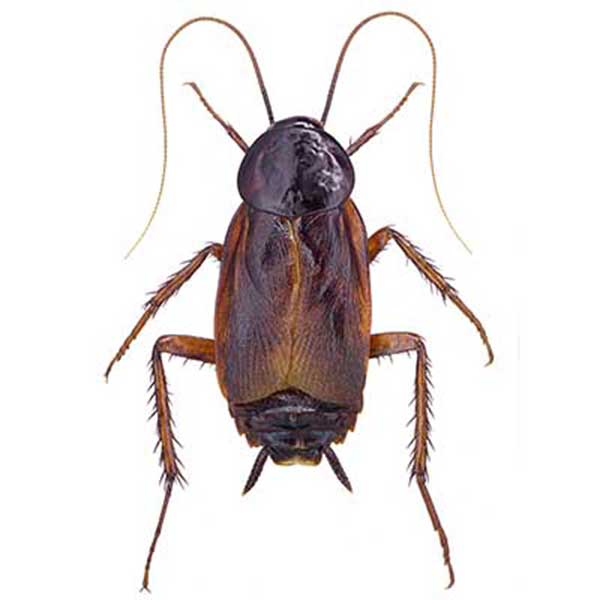
Identified by their broad, flattened, dark-colored bodies, long antennae, and reduced wings, which limit flight and keep them closely associated with moist, ground-level environments.
  • Actual Size 1 to 1 1/4 inches long
  • Characteristics Dark brown to black with broad, shiny oval-shaped bodies and long antennae.
  • Legs 6
  • Antennae Yes
  • Wings Reduced or absent

What Do Oriental Cockroaches Do?

Oriental cockroaches feed on decaying organic matter, food waste, and other debris, and their movement through damp environments can lead to the contamination of surfaces and indoor spaces.
  • Sometimes called "water bugs" because of their strong association with moisture and wet habitats.
  • Unlike many other species, oriental cockroaches are poor climbers and are usually found at ground level or below ground level.
  • Can carry bacteria and other microorganisms from unsanitary areas to food preparation surfaces and stored food.
  • Their presence is often accompanied by a strong, musty odor, especially when large populations are present in or around a structure.

Where Do You Find Oriental Cockroaches?

Prefer cool, wet habitats with access to moisture and decomposing organic material, and they often become more noticeable during humid conditions. Common places you’re likely to encounter oriental cockroaches include:
  • Inside basements, especially in damp corners and storage areas
  • In crawl spaces with high humidity and limited airflow
  • Around floor drains, sump pumps, and utility drains
  • Beneath sinks and near leaking plumbing fixtures
  • Around garbage containers, dumpsters, and waste collection areas
  • Under mulch, leaf litter, and other moist organic debris outdoors
  • Inside storm drains, sewer systems, and underground utility tunnels
  • Around foundations, retaining walls, and other cool, shaded areas

What Should I Do If I Have Oriental Cockroaches in Georgia?

Can contribute to unsanitary conditions when they move into structures from damp hiding places such as storm drains, leaf litter, and foundation voids. If oriental cockroaches are becoming a problem, the following steps are recommended:
  • Eliminate excess moisture by repairing leaking pipes, faucets, and plumbing fixtures that attract oriental cockroaches.
  • Improve ventilation in damp areas such as basements, crawl spaces, and utility rooms to reduce humidity levels.
  • Seal cracks, gaps, and openings around foundations, doors, windows, and utility penetrations to limit entry points.
  • Remove leaf litter, mulch, and other damp organic debris from around the foundation of your home.
  • Store garbage in tightly sealed containers and clean waste storage areas regularly to reduce food sources.
  • Contact professional cockroach control if the infestation persists or spreads, as trained technicians can locate hidden harborages and apply targeted treatments.

Top 5 FAQs About Oriental Cockroaches in Georgia

Questions about oriental cockroaches? Check out the FAQ section below to get started, and contact us by phone or email if you need extra help.
Why are oriental cockroaches called water bugs?
They are sometimes called water bugs because they are strongly attracted to damp environments and are frequently found near standing water and plumbing systems.
Are oriental cockroaches dangerous?
While they do not bite, they can carry bacteria and other contaminants from unsanitary areas to food preparation surfaces and stored food.
How do oriental cockroaches get into homes?
They can enter through gaps around doors, foundation cracks, utility openings, drains, and other entry points near ground level.
What are the signs of an oriental cockroach infestation?
Common signs include sightings in damp areas, droppings, egg cases, shed skins, and a strong musty odor in heavily infested locations.
How can I get rid of oriental cockroaches?
Effective control includes reducing moisture, sealing entry points, removing organic debris, improving sanitation, and seeking professional cockroach control for persistent infestations.

Deer Mouse

Deer mouse identification - Active Pest Control
Health RiskMedium
Damage RiskMedium
NuisanceMedium

How to Identify Deer Mice

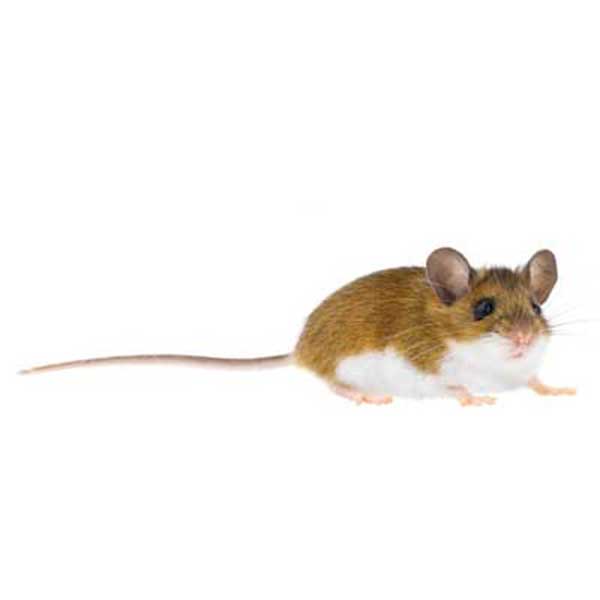
Small rodents recognized by their large eyes, white underbellies, and long tails as they forage for seeds, insects, and other food sources.
  • Actual Size 5 to 8 inches long (including the tail)
  • Characteristics Small, nocturnal rodents that actively forage for seeds, grains, fruits, and insects.
  • Coloration Reddish-brown to grayish-brown fur with a white belly, white feet, and a distinctly bicolored tail.

What Do Deer Mice Do?

Search for a variety of food sources, including seeds and plant material, while nesting in secluded areas. As they move through structures, they may leave behind droppings, nesting debris, and signs of gnawing.
  • Excellent climbers and can enter homes, sheds, garages, and other structures through surprisingly small openings.
  • Build nests in sheltered locations such as wall voids, attics, crawl spaces, woodpiles, hollow logs, and abandoned bird nests.
  • Can carry pathogens associated with diseases such as Hantavirus Pulmonary Syndrome, which can be transmitted through contact with contaminated droppings, urine, or nesting materials.
  • These rodents remain active year-round and often move indoors during colder months in search of warmth, shelter, and reliable food sources.

Where Do You Find Deer Mice?

Thrive in a variety of habitats, including wooded areas, fields, and residential properties where they can easily locate food and protected nesting sites. Common places you'll find deer mice include:
  • Attics
  • Crawl spaces
  • Barns and agricultural buildings
  • Garages and storage sheds
  • Woodpiles
  • Forests and wooded areas
  • Grasslands, meadows, and fields

What Should I Do If I Have Deer Mice in Georgia?

Often found exploring homes, sheds, and outdoor areas where food, water, and nesting materials are available. Their presence can create sanitation and property damage concerns. When deer mice become a problem, the following steps are recommended:
  • Seal cracks, gaps, and other entry points around the exterior of your home to prevent additional mice from entering.
  • Store food, pet food, and birdseed in tightly sealed containers to eliminate easy food sources.
  • Remove clutter from attics, garages, basements, and storage areas where deer mice may nest.
  • Set appropriate traps in areas where mouse activity, droppings, or gnaw marks have been observed.
  • Wear gloves and follow proper sanitation procedures when cleaning rodent droppings, urine, or nesting materials.
  • Contact a rodent control professional if the infestation is widespread, recurring, or difficult to eliminate on your own.

Top 5 FAQs About Deer Mice in Georgia

If you have questions about deer mice and how to deal with an infestation, browse our frequently asked questions below. If you still need help, contact us by phone or email.
Are deer mice dangerous to humans?
Yes, deer mice can pose a health risk because they may carry pathogens such as Hantavirus Pulmonary Syndrome, which can spread through contaminated droppings, urine, or nesting materials.
How do deer mice get inside homes?
They can enter through small cracks, gaps in foundations, vents, and openings around doors, windows, or utility lines.
What are the signs of a deer mouse infestation?
Common signs include droppings, gnaw marks, shredded nesting material, scratching noises at night, and food contamination.
What damage can deer mice cause?
Deer mice may damage insulation, wiring, stored goods, and building materials, and they can contaminate food supplies and living areas.
Should I handle deer mice problems myself?
Small issues may be manageable with traps and prevention steps, but larger infestations are best handled by a professional rodent control service.