What You Should Know About Rat Behavior

Rodent control methods - Active Pest Control

Rodent control methods - Active Pest ControlRats have evolved over millions of years into some of the planet’s most adaptable creatures. Originating in Asia and Australia, they have spread to nearly every habitat worldwide. In Georgia, their ability to thrive in areas rich with food and shelter has made them a frequent presence around homes, restaurants, and storage facilities. This adaptability is impressive but comes with challenges.

When rats take up residence, they leave behind unmistakable signs such as droppings, gnaw marks, and nests. These indicators point to a growing infestation that requires attention to avoid further problems.

That’s where professional rodent control comes in. Active Pest Control offers effective, proven services to detect and eliminate infestations, helping homeowners protect their properties and maintain a rodent free living environment.

Rat Behavior and Habits Explained

As highly intelligent and social animals, rats depend on cooperation to survive. They live in structured groups known as a “mischief,” where every member has a role that supports the colony. Communication through ultrasonic sounds, body language, and pheromones keeps the group connected. Grooming is vital not only for hygiene but also for strengthening social bonds.

Rats are primarily nocturnal, avoiding humans whenever possible. If they are seen during the day, it usually signals a significant infestation. This behavior helps them stay safe and increases their chances of survival.

Their adaptability and intelligence make them important subjects for research. Studies have shown that their ability to solve problems and navigate challenges provides valuable insight into both animal behavior and human learning.

Understanding What Rats Eat

Rats are highly adaptable eaters, consuming whatever food is available. Their diet changes with location and resources. As omnivores, they eat plants, insects, and human food waste. Common food sources include:

  • Grains, Seeds, and Nuts: In the wild, these serve as a primary food source for rats, supplying energy and essential nutrients.
  • Fruits and Vegetables: Fresh produce or fallen fruits and vegetables provide rats with important vitamins and hydration.
  • Trash and Leftovers: Rats frequently search through garbage or compost for scraps, making these an easy and reliable food source.
  • Insects and Small Animals: When other food is limited, rats may prey on insects or small animals to gain protein.
  • Pet Food: Unattended or easily accessible pet food quickly becomes a convenient meal for rats.

The Secrets of Rat Survival and Adaptability

Rats are among the most adaptable animals on Earth. They can thrive in urban areas, farmland, forests, and even harsh, cold climates. Their exceptional sense of smell helps them locate food, and their ability to tread water for up to three days allows them to survive in flooded environments, sewers, and waterways.

These creatures are also master engineers. They dig complex burrow systems that extend underground or inside walls, serving as protection and food storage. Their foraging habits are impressive, as rats can travel hundreds of feet from their nests to find food, showing remarkable endurance.

Managing rat infestations is challenging because of their rapid breeding. A single pair can produce dozens of offspring in a short time. Being primarily nocturnal, rats use their intelligence and adaptability to evade traps and predators, ensuring their survival in almost any environment.

Understanding the Scientific Value of Rats

Rats hold a unique position in science because of their close genetic and biological similarities to humans. They have contributed to major advancements in genetics, disease prevention, behavior research, and the creation of new treatments. Their role in research continues to influence medicine and psychology today.

Beyond scientific research, wild rats are often seen as pests. They pose health risks by spreading disease through droppings, urine, and direct contact. This negative perception contrasts sharply with the view of pet rats.

Pet rats are admired for their intelligence, gentle temperament, and social nature. Easy to train and care for, they can even perform tricks, earning them a place as treasured companions for those who understand their unique charm.

Exploring the Intelligence of Rats

For more than a century, rats have been studied for their intelligence and problem-solving abilities. Their brain structure and decision-making processes closely resemble those of humans, making them essential for research in learning, memory, and behavior. Rats can master complex tasks, solve puzzles, and navigate mazes with remarkable skill.

Another striking ability is their consistent pattern recognition. Studies show rats are less likely than humans to second-guess themselves, demonstrating efficiency in decision-making. This aptitude not only explains their success in adapting to different environments but also makes them invaluable in scientific research.

Unfortunately, these strengths also make rats challenging pests. Their adaptability and intelligence allow infestations to spread quickly. This is why skilled rodent exterminators are vital for detecting, controlling, and preventing rat problems.

Professional Rat Control Services by Active Pest Control

Rats can cause significant problems in the home, including spreading disease, contaminating food, damaging structures, and triggering asthma or allergies. In Georgia, such issues are a frequent concern. Their ability to chew through electrical wiring also creates fire risks. This is why Active Pest Control provides professional rat control as part of its pest management solutions.

We start with a careful inspection to identify entry points, nesting areas, and signs of infestation. This allows us to create a targeted and effective treatment plan. Consistent care from Active Pest Control helps keep your home free of rats for years to come.

Get in touch with Active Pest Control today for effective rodent removal services you can rely on.

Fall Pests That May Get in Your Home

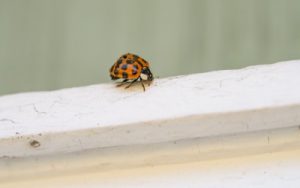
Asian lady beetle on door frame

Asian lady beetle on door frame

Does it seem like there are more insects in your home during the fall and winter? Unfortunately, it’s not your imagination. It’s fall pests looking for ways to get out of the increasingly cold weather. 

Some of these fall pests will migrate to warmer climates or burrow under debris, but others may decide they want to spend the winter in your warm, dry home. This phenomenon is referred to as overwintering, and it pays to look for warning signs before you end up with an infestation in your home.

Finding a bug on the countertops or in the corners of a room in your home is no fun. However, what’s even worse and could cause even more damage, are the pests hiding where you can’t see them. The fall pests most likely to take refuge here can include Asian Lady beetles, stink bugs, termites, wasps, rodents, and armyworms. 

Asian Lady Beetles

If you find what looks like a ladybug in your home, it may not be a ladybug. If it’s larger than your garden-variety ladybug, you may be looking at an Asian Lady beetle (which may or may not have spots). And if you’ve found one, the odds are good that it’s not alone. 

These beetles release a foul-smelling yellow substance when disturbed or crushed, which can stain walls, fabrics, and other surfaces.

Some people may experience allergic reactions to these beetles, including respiratory issues, eye irritation, and skin reactions. In rare cases, they’ve been known to bite, causing minor welts or discomfort.

Asian Lady beetles travel together in groups, using pheromones to communicate their location. That means that if one comes into your home to get out of the cold, the result can be an infestation. You can prevent this, along with most other fall pest infestations, by making sure you seal any gaps or openings in the exterior of your home.

Stink Bugs

The species of stink bug you’re most likely to encounter in your home in the US is the Brown Marmorated stink bug, which is an invasive non-native species from Asia. They’re flat and shaped like a shield, colored in mottled shades of brown and gray, and range in size from around ¼” to ⅜”. 

True to their name, stink bugs emit a terrible odor when threatened or squashed. The smell can linger in your home and is particularly unpleasant in enclosed spaces. Large numbers of stink bugs can also damage houseplants as they feed on them.

They’re fond of quiet, out-of-the-way parts of your home where they won’t be bothered. They tend to congregate in walls and attics, potentially dying in hard-to-reach places and attracting other pests like carpet beetles that feed on dead insects. 

Termites

Termites are easily the most destructive pest in the US. The annual cost of termite damage and mitigation in the US is estimated at up to $30 billion. Termites, if you have them, are always trying to enter your home. But fall and winter are when subterranean termites (the most damaging species) tend to burrow deep into the ground to wait out the cold weather. 

They feed on wood 24/7, potentially compromising your home’s foundation, support beams, and walls. Unlike other fall pests that are mainly nuisances, termites can literally eat you out of house and home, making early detection and prevention crucial.

So if you have an infestation, you may not notice it until spring. And at that point, the nest, and the damage, could be much more extensive. Once termites can get into your home, they will consume wood and anything else that contains cellulose. 

Signs of termites in your home may include blisters on painted surfaces, hollow-sounding wood, and unexplained pinhole-sized holes.

Rodents

Squirrels, roof rats, and mice are all agile creatures and excellent climbers. You’ve surely seen them make their way from branch to branch or along narrow fences. It shouldn’t come as a surprise that they can get into your attic and make a nest. 

Rodents seeking winter shelter bring numerous health and safety concerns. They can contaminate food supplies with their droppings and urine, spreading diseases like hantavirus, salmonella, and leptospirosis. They also gnaw constantly to keep their teeth sharp, potentially damaging electrical wires (creating fire hazards), insulation, and structural materials.

Luckily, these rodents don’t tend to be very stealthy. After some time, you’ll hear them scratching or gnawing from up above or inside the walls. Those are both signs that you have one inside your attic or wall voids, and that means it’s time to call an experienced rodent exterminator like Active Pest Control.

Wasps

Wasp colonies do not overwinter in the colder season, which leaves the workers to die with the oncoming winter. Fertilized queens, however, survive the cold outdoors and leave the nest for shelter like hollow logs, tree stumps, or in certain structures, like the attic of your home. 

Wasps can be aggressive when disturbed, and their stings are painful and potentially life-threatening for those with allergies.

So here’s a question for you: How sure are you that your attic vents are all screened from the outdoors? If you’re not very sure, consider calling us to inspect your attic and install them for you. They can prevent wasps, birds, and all manner of creatures from making themselves comfortable without you knowing.

Armyworms

Though armyworms don’t typically invade the insides of homes like other fall pests, they deserve mention for the havoc they can wreak on Georgia lawns. The damage they cause to your landscape can be devastating and expensive to repair.

They’re particularly active in September and October, and can destroy an entire lawn in just a few days. These caterpillars march across lawns in large numbers, devouring grass blades and leaving behind brown, bare patches.

How to Prevent Fall Pests

Once pests establish themselves in or around your home, they’re much harder to eliminate. Taking proactive steps now can save you from dealing with a full-blown infestation when spring arrives. These prevention and exclusion methods are your best defenses against fall pest infestations:

  • Start by sealing entry points around your home. Caulk cracks around windows and doors, install door sweeps, and repair torn screens.
  • Keep vegetation trimmed back from your home’s exterior and store firewood at least 20 feet away from structures.
  • Inside, reduce clutter in basements and attics where pests like to hide, fix any moisture issues, and store food in airtight containers.
  • Vacuum regularly to help eliminate insects that have already made it inside.
  • Schedule a professional pest inspection in early fall to identify and address potential problem areas before pests move in for the winter.

Top Exterminators for Fall Pest Control

If you have some unwelcome fall pests, Active Pest Control is ready to help with home pest control services. Active Pest Control has been proud to provide Georgia residents with quality pest control services for over 45 years. Contact us now for a free quote!

Last updated in October 2025.

Home Services: A More Thorough Approach to Home Protection

House protected by Active home services in Georgia for long-term pest control

When one thHouse protected by Active home services in Georgia for long-term pest controlinks of pest control, it’s often a rather stark image of chemical sprays and traps. But the truth is, the protection of your home requires a comprehensive approach. Pests are more than a simple nuisance; they are an intrusion that can compromise the health and integrity of your personal sanctuary.
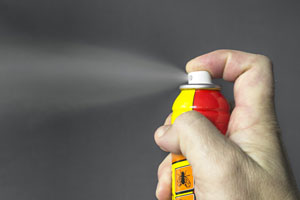
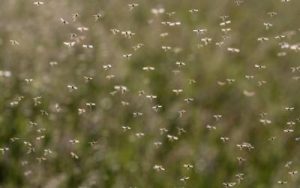
As specialists in home protection, Active Pest Control provides services that address the complete well-being of your home. Beyond pest control, we offer attic insulation, gutter protection, moisture control, and wildlife exclusion. These elements work in concert to create a truly effective defense. A do-it-yourself method might seem to work for a moment, but it rarely addresses the fundamental reasons pests are present. Our professional work is about finding and resolving the problem at its source.

Our Home Services for Long-Term Protection

Reacting to pests only after they’ve made their presence known is a short-sighted strategy. A truly lasting solution requires the foresight to address the underlying conditions that draw pests to your home. It is a proactive and more intelligent way to maintain your home’s peace and security. That is the philosophy behind these home services.

Pest Control Attic Insulation

The attic is a space that can, quite unintentionally, become a haven for creatures like rodents and insects. If the insulation is old, damaged, or insufficient, it can provide welcoming nesting material and an easy pathway into your living areas. This is why we believe attic insulation is a crucial component of home care.

We can remove any old insulation and install new, pest-resistant materials. This simple attic insulation installation makes your home less inviting to pests and has the wonderful benefit of improving its energy efficiency.

Moisture Control

Certain pests, particularly termites, cockroaches, and silverfish, flourish in damp, humid areas. An untreated basement or crawl space with excess moisture can become a primary breeding ground. Our moisture control solutions are designed to restore balance to these spaces. Through the careful use of dehumidifiers, vapor barriers, and proper ventilation, we alter the environment to make it unsuitable for pests.

Gutter Protection

When gutters become clogged, they are more than just an eyesore; they are a disruption to your home’s essential functions. Standing water can damage your home and provides a place for pests like mosquitoes to breed.

With our gutter protection systems, we install quality guards that prevent the buildup of debris and keep water flowing away from the foundation, just as it should. This helps maintain the home’s integrity and makes it a less attractive environment for pests.

Rodent and Wildlife Exclusion

The most sensible and humane approach is to prevent wildlife from entering your home in the first place. This is the focus of our rodent and wildlife exclusion services at Active Pest Control. This service involves a careful inspection of your home to identify and seal any potential entry points, from tiny cracks in the foundation to gaps around pipes. We then seal these areas with durable and appropriate materials, such as Flexi-Armour. Our team can also help with the removal of any animals that are already inside.

Integrated Pest Management (IPM)

By weaving these services together, Active Pest Control is practicing a philosophy known as Integrated Pest Management (IPM). This is a smarter, more sustainable strategy that looks at the entire picture of a home’s environment. Instead of relying solely on chemicals, IPM uses a thoughtful combination of tactics to achieve lasting, preventative results. It means we work to create a home that is fundamentally uninviting to pests.

Ready for Comprehensive Home Protection?

Your home is your sanctuary, and it deserves to be protected with intelligence and care. When you are ready to take a more comprehensive approach, it is best to bring in professionals who understand how to protect your home as a whole.

At Active Pest Control, our team is here to help you assess your needs and recommend the most effective solutions. Please contact us today to get started with a free home services quote.

DIY vs. Professional Pest Control

DIY vs. Professional Pest Control - Active Pest Control

DIY vs. Professional Pest Control - Active Pest Control

In today’s day and age, the DIY movement is more popular than ever, whether it’s gardening, arts and crafts, or home repair. But what about pest control? Let’s talk about the pros and cons. At-home remedies may seem convenient, but are they reliable? And how do the costs compare between DIY pest control and professional pest control?

Let’s talk about DIY pest control versus professional pest control and when it’s the right time for each.

Pros & Cons of DIY Pest Control

When the issue is minor or the pest is more of a nuisance than a danger, DIY pest control is a good option. When the issue is severe or the pest is more than a nuisance (e.g. termites, rodents, bed bugs), it’s probably a good idea to hire a professional exterminator so you can be sure the issue is resolved fully.

  • Certain pests, such as rodents, termites, and carpenter ants are more dangerous and destructive. Getting rid of these infestations will be a challenge for any novice.
  • Many store-bought products are filled with chemicals that can be dangerous for you, your family, and your pets. Always read the label and apply these products as instructed.
  • Pest control technicians have experience using these products and know how to use them safely.
  • At-home remedies rarely work in the long term and do not prevent future infestations.

Which Types of Pests Should You Call an Exterminator for?

Pests can be broken down into three basic types: nuisance pests, dangerous pests, and destructive pests.

Nuisance pests

Types of nuisance pests include stink bugs, silverfish, house spiders, and ants. You don’t like having them around, but it’s mainly because you don’t like seeing them.

Should you call an exterminator for nuisance pests? It’s up to you. With nuisance pests, it comes down to how much you can tolerate it.

Dangerous pests

Dangerous pests include those that could cause harm to people or pets, and that can be different for different people. 

Flies and cockroaches can be dangerous because they spread bacteria that can cause illness.

Some venomous spiders can be considered dangerous. Rodents are very dangerous for the unsanitary droppings they leave. Bees and wasps can be dangerous, too, especially if you or a loved one has allergies or sensitivities.

Should you call an exterminator for dangerous pests? If you think that a pest could potentially be hazardous, you should call a professional pest control expert to make sure they’re eliminated completely.

Destructive pests

Termites are the most well-known destructive pest — they cause billions of dollars to American homeowners every year. Other examples of destructive pests include carpenter ants, carpenter bees, rodents, birds, and other wildlife.

Should you call an exterminator for destructive pests? We highly recommend it – especially for termites. Termites will continue causing damage for as long as they remain in a structure.

Does DIY Termite Control Work?

DIY termite control is not often successful. The challenge with termite control is that they like to nest deep within a structure. That makes them hard to detect, and after you’ve administered DIY treatment, it’s hard to know if you’ve eliminated the infestation.

Our experienced termite exterminators know how to locate the infestation, and exactly how to target them with state-of-the-art treatments. They can also help with lasting termite prevention, so you can feel protected months and even years from now.

Can You Do DIY Mosquito Control?

Swarm of mosquitoes in augusta ga area home after unsuccessful diy mosquito controlMosquitoes are one of the most difficult pests to eliminate. There are so many of them and they breed quickly, so even if you wipe out most of them, you will still have to contend with the next generation of larvae that’s likely to emerge in a few days. 

The single most effective way to limit mosquitoes in your yard is to dump out any standing water you find. Even a small amount is enough for mosquito larvae to develop. Without the water, they will die.

For adult mosquitoes, mosquito larvae, and mosquito eggs, we offer highly effective mosquito barrier treatments. If you’re planning a gathering, our mosquito control experts will also work with you to create a strategy will make sure the party isn’t crashed by mosquitoes.

Is It Time for Professional Pest Control?

When it comes down to it, no one wants to deal with pests in their home. If you want to get rid of them completely, a professional pest control company is your best bet. In the long run, a pest control professional can provide you with the tools you need to keep pests out for good. 

Ready to solve your problem and stop worrying? Give Active Pest Control a call today to learn more about our hassle-free options.

Should You Worry About Mosquito-Borne Diseases in Georgia?

A Mosquito, Possibly Infected with Mosquito-Borne Disease, Bites a Human in Georgia

Mosquito biting a person in georgia with unknown risks about mosquito-borne disease transmission possibility

In Georgia, the warm spring and summer evenings are often accompanied by the unwelcome buzz of mosquitoes. While mostly a minor irritant, it’s crucial to remember that mosquitoes can also be carriers of serious diseases. Malaria and Zika virus dominate headlines globally, but our local region must remain vigilant about Eastern Equine Encephalitis (EEE) and West Nile Virus. These diseases are rare, but real risks exist. 

In this blog, we’re here to set the record straight with facts about mosquito-borne illnesses in Georgia, helping you understand the risks and how to protect your loved ones.

Do Mosquitoes in Georgia Carry Eastern Equine Encephalitis (EEE)?

Yes, mosquitoes in Georgia can transmit Eastern Equine Encephalitis, although cases are rare. This virus can affect humans and horses, posing a severe risk in the few instances of human infection. While there is a vaccine available for horses, no such vaccine exists for humans, emphasizing the importance of prevention. 

Here are some symptoms to watch for:

  • Sudden onset of headache
  • High fever
  • Chills
  • Vomiting
  • Severe neurological issues (in extreme cases)

Do Mosquitoes in Georgia Carry West Nile Virus?

Yes, mosquitoes in Georgia are also carriers of West Nile Virus. Although again rare, the potential for infection exists and should not be underestimated. The Georgia Department of Health has recorded 81 cases between 2018 and 2022, proving that vigilance is necessary. Most people infected with West Nile Virus may not exhibit symptoms, but it’s vital to be aware of the signs, especially since severe cases can lead to serious health issues. 

Symptoms include:

  • Mild fever
  • Headache
  • Muscle pain
  • Fatigue
  • Neurological effects in severe cases

Which Mosquito-Borne Diseases Are in Georgia?

How big of a risk are mosquito-borne diseases in Georgia really? Let’s go down the list of common mosquito-borne diseases and whether there have been any recent locally transmitted cases.

  • Malaria: No recent cases
  • Dengue: No local cases – about five cases per year occur after travel
  • Schistosomiasis: None
  • Yellow Fever: No recorded cases
  • Zika Virus: No record of any locally transmitted cases in Georgia

Good news, right? The risk is relatively low. While that is true, it’s important to remember that malaria and Zika cases have been reported in Florida, just one state away. This underscores the fact that even though the current risk is low, continued vigilance is still important.

Why Is It Important to Monitor Mosquitoes Even If They Don’t Carry Disease?

Mosquito monitoring remains critical even in regions where disease transmission is currently low. The keyword here is “currently.” Mosquito populations and the diseases they carry can shift geographically over time. Changes in climate and human movement can introduce new mosquito-borne diseases to areas previously unaffected. 

However, by keeping an eye on these populations and potential disease carriers, we can stay one step ahead of possible future outbreaks.

Call Georgia’s Mosquito Control Experts Today

While the risk of contracting mosquito-borne diseases in Georgia remains low, the presence of diseases like Eastern Equine Encephalitis and West Nile Virus underlines the importance of proactive mosquito control

In a state known for its humid climate, mosquito populations can thrive, making professional mosquito control not just a convenience but a necessity. Protect your home and family; call us today for a free estimate on comprehensive mosquito control services.

Everything You Need to Know About the Joro Spider in Georgia

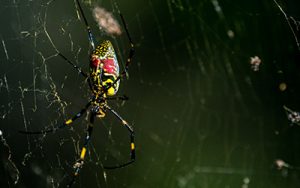
Joro Spider with Active Pest Control serving Calhoun, GA

Joro Spider with Active Pest Control serving Calhoun, GA

Have you recently experienced an unexpected encounter in your own backyard, coming face-to-face with a spider that’s anything but ordinary? If you’ve noticed a strikingly large spider with a web that seems to command the space between your trees, you’re not alone. Many residents in Georgia have reported sightings of what is believed to be the Joro Spider, a species of orb-weaver spider that has been gradually making its way across the eastern United States. 

This guide is tailored for you, aiming to demystify the presence of this intriguing arachnid in your surroundings and if spider extermination intervention is needed. 

Identifying the Joro Spider: 

The Joro Spider, with its sizeable physique and vibrant colors, easily stands out from the more familiar spiders you might encounter. This difference is particularly pronounced between males and females due to sexual dimorphism, a biological phenomenon where the two sexes of the same species exhibit different characteristics beyond their sexual organs.

Here’s how to tell male and female Joro spiders apart:

Female:

  • Size: Large, with a body length of about 0.75-1 inch and a leg span of up to 4 inches.
  • Color: Bright yellow and blue body with distinctive red markings.
  • Web: Builds large, intricate webs that can span up to 10 feet.

Male:

  • Size: Noticeably smaller than their female counterparts.
  • Color: Darker, less vibrant, with more subdued colors.
  • Web: Does not build webs as females do.

The Joro Spider’s web is a marvel in itself—large, golden, and incredibly robust, effectively capturing a wide array of insects.

Where is the Joro Spider Found?

Initially believed to need a large natural habitat in tropical climate for optimal survival, the Joro Spider has defied expectations by showcasing an impressive capacity to acclimate to diverse environments, even thriving in urban landscapes. Observations of their proliferation near highways and within cities have underscored their remarkable adaptability, prompting inquiries into the extent of their potential range expansion. 

Is the Joro Spider Dangerous?

Despite their imposing appearance, Joro spiders typically pose minimal threat to humans. While possessing fangs with the capability to bite, these arachnids generally exhibit timid behavior, preferring to retreat rather than engage in confrontation. 

The History and Future of Joro Spiders: 

Originating from East Asia, the Joro Spider is thought to have been inadvertently brought to the U.S. via shipping containers, leading to their presence in various states, including Georgia.

As for the Future of the Joro Spider in Georgia, it appears that the Joro Spider is here to stay. With their adaptability and successful breeding patterns, their numbers are likely to grow, further embedding themselves into the local ecosystem.

Got Questions About Spiders?

While the arrival of the Joro Spider in Georgia may initially bring unease due to its size and unfamiliar appearance, it’s crucial to remember that they are largely harmless. However, understanding and cohabitating with new species can be challenging.

If you find yourself concerned about the Joro Spider or any other pest issues, contact Active Pest Control for expert advice, information, and specialized spider removal services. Our team is equipped with the knowledge and tools needed to address any pest situation, ensuring your home remains a safe and comfortable environment.


Late Summer Pests

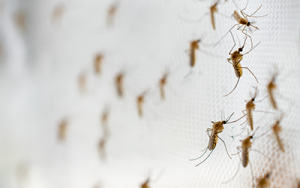
Mosquitos on screen in Georgia

Mosquitos on screen in GeorgiaAs the sun begins to set on summer, the allure of its warmth still lingers in Georgia. Residents are savoring the last moments of this season – grilling up delicious cookouts, preparing kids for the return to school, and relishing the comfort of front porch gatherings with loved ones. While we soak in the fading heat that ushers in fall, another group is also making the most of these late summer days: pests.
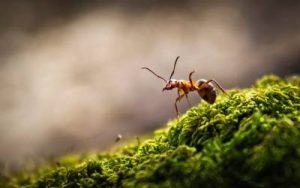
The vibrant blooms of gardens, the overripe bounty of fruits scattered across yards, and even the unsealed lids of garbage bins all act as magnets for these unwanted guests. With winter on the horizon, they’re seeking a comfortable haven, and your home is on their radar.

Most Common Late Summer Pests

While some might assume that pests retreat as the temperatures drop, it’s quite the opposite for many kinds of pests in Georgia. Late summer months, specifically August and September, witness a surge in the activity of certain pests that can leave residents and homeowners facing unique challenges. 

  • Mosquitoes: These pests thrive in summer, and by late summer their swarms can be quite massive. Georgia’s humid and rainy summers can produce hidden pockets of standing or stagnant water – which is where these pests breed – in many places on your property.
  • Flies: House flies and fruit flies thrive in the humid warmth of late summer. Garden blooms, fallen fruit left in yards, food left out or uncovered, and unsealed garbage bins will invite these pests onto your property, and you can easily find your home overrun with them.
  • Ants: In late summer ants are typically busy foraging for the queen, and if they find your home to be a food resource, you can have a hard time keeping them out without professional assistance as they are well known for leaving pheromone trails that they’ll come back to relentlessly.
  • Bees, Wasps & Hornets: Most pests have a sweet tooth, most notoriously of which are these stinging pests. Fruit-bearing trees on your property, white flowers more so than others, and sweet foods in unsealed garbage bins will attract them to you. By late summer, their nests have been established and their numbers have grown, making a potentially dangerous encounter more likely.
  • Ticks: More outdoor activity means more opportunities for picking up one of these unwanted hitchhikers. Relatives of the arachnid, ticks find their way onto us or our pets through tall grass, weeds, shrubs, and bushes. Additionally, these pests are well known to spread some pretty nasty diseases like Lyme Disease and malaria. 
  • Cockroaches: These pests are known for preferring warm and humid environments, making Georgia summers the perfect breeding time for them. With their numbers increased by late summer, you’ll have a higher chance of an unwanted infestation as they enter your home in search of food sources. If you see one, you can guarantee that there are many more.
  • Spiders: Late summer is perfect for these pests to be active inside your home as they seek out the milder indoor temperatures and the higher likelihood of food sources like flies or ants. Giant house spiders are one of two species known to be most active in summer, so if you notice a large amount of spiders in your home, you may have an infestation issue.
  • Rodents: Open doors, broken screens, holes in walls or along the roof, are all easy entry points for mice and rats. Late summer has these creatures looking for a nice cozy place to nest down for winter, and your home may provide the perfect place. 
  • Snakes: With the increased activity of rodents seeking shelter, you’ll also notice they bring with them their predators. Georgia has a few native snakes that love the warmth and moisture of our humid summers, some of which are venomous, so be sure to have snake prevention measures in place. 

Active Pest Control, Your Partners in Pest Management and Prevention

Whether you’re in immediate need, or seeking year-round prevention, the professionals at Active Pest Control are here to help. With over 45 years of experience serving the state of Georgia, our team is dedicated to providing expert pest protection. If you’ve found yourself battling a pest infestation, or would like to establish a prevention plan, don’t hesitate to contact us today!

Natural Ant Predators in Georgia

Ant on a mossy rock | natural ant predators in Georgia

Ant on a mossy rock | natural ant predators in GeorgiaAnts can be found in practically every corner of the world, but that doesn’t make them any more pleasant when they are marching across your kitchen counter. Although these pests are small, a single colony can contain between 50,000 to 500,000 ants! With how large ant colonies can grow, it can be incredibly hard to get rid of them hard on your own. Although it may seem like sometimes you are on your own in the battle against ants, natural ant predators are working alongside you to keep the ant population in check.
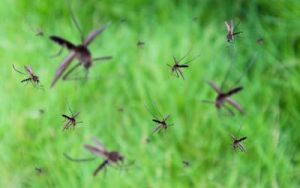
What Eats Ants?

Ants have many natural predators that help regulate the ant population. Below are a few Georgia native animals that enjoy munching on ants:

  • Armadillos: Armadillos use their long claws to dig in the ground in search of insects. Ants are one of their favorite snacks.
  • Birds: Birds such as sparrows, starlings and woodpeckers are known to eat ants. In addition to eating ants, some birds participate in a ritual called anting where the bird, for unknown reasons, will kill and rub dead ants on their body.
  • Insects: Many common insects will also eat ants as part of their diet. Beetles, praying mantises, spiders and even other ants will feast on ants.
  • Rodents: Rodents are opportunistic eaters and some are known to eat a wide range of small insects, including ants.
  • Bears: When young bears are transitioning to eating solid food, they will often search for ant colonies to eat. Once a bear is mature, they will usually only eat ants in times of food scarcity.

How to Prevent Ants

The most important step in keeping an ant free home is ant prevention. Ants are able to enter your home through even the smallest hole of crack. Examine the exterior of your house regularly, sealing any entrance points. This will not only help prevent ants in your home but also a multitude of other pests.

Ants will commonly enter a home in search of food and can often be found marching across your kitchen floor or counter.  Make sure to clean any spills or crumbs quickly and keep food in airtight containers.

Although these measures will help keep ants out of your home, the best way to keep ants away for good is by hiring a trusted local pest control company.

Professional Ant Extermination

While natural ant predators are helpful in controlling the ant population, the most effective way to keep ants out of your home is through professional ant extermination. Trusted exterminators, such as those at Active Pest Control, not only eliminate existing ant infestations but also work with you to create a plan to prevent future pest invasions.

Active Pest Control has been keeping Georgia homes pest free for generations. We understand the frustration caused by ant infestations and are dedicated to providing long-lasting solutions. If you’re tired of dealing with ants or any other pests in your home, contact the experts at Active Pest Control today for a free quote!

Mosquito Awareness for Springtime

mosquitos swarming outdoors

In Georgia, the normal mosquito season will run from March through to October. With January rain totals well above normal across the Southeast, it is a good time to take inventory of wheremosquitos swarming outdoors

standing water is, and what can be done to eliminate it. 

Are you one of the people that these little pests just love? You have started to plan all the events for your family and friends around the backyard that you have worked so hard to keep green and beautiful. You want fun pool parties, BBQs, and children’s playdates for your family and guests, not the biting, itching and discomfort of many mosquito bites. Just as you have taken the time to get your yards beautiful to the eye, now it’s also time to get ahead of mosquito season. Even though we probably never will be able to fully eradicate these pests from our planet, there are ways we can learn to deal with them. Let’s take a closer look at some facts you may not know about these little pests!

Mosquito Facts

  • GROWING UP: The mosquito can complete its life cycle from egg to adult in as little as 4 days, though most mosquitoes grow from egg to adult in about 2 weeks.
  • TIME TO BITE: After only two days as an adult, a female mosquito is able to bite.
  • LIFESPAN: Most male mosquitoes only live for two weeks. Female mosquitoes often live up to a month or more, but they can certainly cause a lot of problems during that short time!
  • FEMALE MOSQUITOES: Only the female mosquito bites people and animals to draw blood and obtain protein to properly develop her eggs. Female mosquitoes can lay up to 300 eggs at one time.
  • DISEASES: Mosquitoes carry diseases like Zika Virus, West Nile Virus and Eastern Equine Encephalitis (EEE).
  • WATER WORLD: In one way or another, mosquitoes’ lives revolve around a water source. All mosquitoes require water during their egg, larval, and pupal stages for maturation. As an adult, the female lays her eggs in the water.
  • SPECIES: There are over 3,500 species of mosquitoes. 63 of these species live in Georgia and are still biting.

How Can I Prepare for Mosquito Season?

Combat mosquitoes and other pests by following these simple tips and tricks.

  • Cut grass and shrubs short, as adult mosquitoes gather to rest in shady, cool areas.
  • Keep your yard weed-free and avoid overgrown vegetation.
  • Keep swimming pools clean, and properly circulating.
  • Regularly empty ponds, bird baths, fountains, plant pots, buckets, or anywhere else that water may gather.
  • Drill holes in tire swings, trash cans, or recycling bins so water drains out.
  • Clean out gutters to avoid standing water and examine them for any damage that would cause water to collect.
  • Check sprinkler heads in your sprinkler system for leaks and standing water.
  • Check outdoor faucets for leaks.

Whether it’s just nuisance-biting behavior or the mosquitos are transmitting disease-causing pathogens, precautions should be taken. Lastly, residents should make sure all screens are in place and in good condition to prevent mosquitoes from getting into our homes as we open windows again. Prevention can go a long way in avoiding mosquitoes around our homes and neighborhoods.

Mosquito Control in Georgia

At Active Pest Control, we provide comprehensive pest control services to help keep insects away from your home in the spring and all year round. If you’re not able to enjoy your outdoor space because of swarming insects, we can help. We’ve been exterminating pests in Active Pest Control for over 45 years.  Contact us today for your free quote.

How to Avoid Insect Swarms This Spring

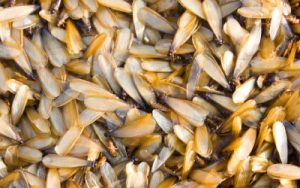
A densely packed swarm of termites in GA.

Springtime in Georgia! Warm weather, sunshine, and… swarms of insects. The warmth and humidity in spring in Georgia draws many species of insects out of their winter habitats to feed and breed. A densely packed swarm of termites in GA. Many of these insects are just a nuisance but some of them can be dangerous to people or harmful to property. Learn which insects to watch out for, what you can do to protect your home, and how Active Pest Control can help if these precautions aren’t enough. 

What Insects Swarm in the Spring?

Many bugs are known to swarm in spring but these are some of the most common or problematic swarming bugs in Georgia: 

Bees: If bees are swarming on your property, they’re likely seeking food and shelter. Watch for the construction of bees’ nests in trees or on the eaves of your home. Carpenter bees can be especially concerning. They’re large, solitary bees that are often seen hovering near wooden structures in spring. They are important pollinators but can cause damage to wooden structures. They drill holes in wood to make their nests, which is how they get their name. 

Termites: Termites begin swarming in the early spring months to establish new colonies. When termites are mating, you’ll typically find wings on the ground because termites shed their wings when they mate. If mating is happening on your property, then you are at risk of a termite infestation if you don’t already have one. Winged ants appear in late spring for the same reason as termites – to breed. They look similar to termites but don’t pose the threat to your property that wood-eating termites do.

Wasps: In the warmer months, the queen will come out of hibernation and begin looking for food. If you see wasps flying low to the ground in your yard, they are likely looking for grubs, larvae, or insects for the queen or her offspring. 

Ladybugs: Ladybugs are a type of beetle that is often seen in large numbers in spring. They are beneficial insects that help control aphids and other garden pests.

Lovebugs: Lovebugs are a type of fly known for their distinctive mating swarms. They are typically found in the southeastern US, including Georgia.

Moths: Several species of moths, including the white-lined sphinx moth, are known to swarm in Georgia in the springtime.

Stinkbugs: Stinkbugs are common in Georgia and can be seen swarming in spring. While they are not harmful to humans, they can be a nuisance in large numbers.


How to Keep Swarming Insects Away

Take care with food and drink outside

When the weather heats up, so do our grills! Bees and especially wasps are attracted to protein-rich foods like the meat you or your neighbors will be cooking. They’re also attracted to sugary drinks. To keep bees and wasps from making an uninvited appearance at your picnic or BBQ, be sure to seal up leftovers promptly and keep any sugary drinks sealed or covered.

Keep your yard clean

To keep insects away, you’ll want to keep your yard clear of any kind of debris that could be a habitat for insects, including leaves, sticks and any fruit that may fall from fruit trees. Keeping your lawn mowed short can also help. Stack firewood, ideally off the ground, away from buildings, and covered by a tarp. 

Stop water from pooling

Many different types of pests are attracted to water, either for breeding or for drinking. There are many items in our yards that can easily fill with water given how stormy spring in Georgia can be. Whether it’s a birdbath, an empty bucket, a flower pot or a trash can lid, try to prevent water from accumulating in any objects on your property.

Expert Pest Control for Georgia

At Active Pest Control we provide comprehensive pest control services to help keep insects away from your home in the spring and all year round. If you’re not able to enjoy your outdoor space because of swarming insects, we can help. We’ve been exterminating pests in Georgia for over 45 years.  Contact us today for your free quote.