
Prominent Pests in 2020

Prominent pests in 2020 in the Atlanta area - Active Pest Control When it comes to protecting your family and home against pests, hindsight doesn’t have to be 20/20 this year. Active Pest Control is helping homeowners prepare for the upcoming pest season by offering insights into anticipated pest activity. 

The experts at Active Pest Control have used their field experiences and examined trends and company data to determine these six pest predictions. Along with the predictions, we are offering quick tips for homeowners to help keep their homes pest-free in 2020.


Mice

Warmer than usual winters over the past several years may be to blame for increased mouse populations. With warmer weather predicted for the winter of 2020, mice will continue to reproduce at an alarming rate, which is bad news for homeowners. Mice are year-round pests that invade homes looking for food and shelter to nest. 

Homeowner Tips:  Mice can squeeze through openings the size of a dime. Gaps under garage doors, door frames, windows, or pipes and cables that penetrate your house are large enough for mice to gain entry. Rodent-proof your home by sealing small cracks and crevices with a silicone-based caulk. Exterior gaps of ¼-inch or larger can be repaired with copper mesh, hardware cloth or metal flashing. 


Stinging Pests

Alternating climates cause rippling effects in the pest world, and with mild weather, experts are seeing more yellow jacket and hornet nests. Female yellow jackets and hornets can successfully overwinter in freezing temperatures and will invade structures and manmade or natural voids. When the weather warms up in spring, stinging insects will emerge from their hiding places, ready to start populations earlier in the year.

Homeowner Tips: Since stinging insects can overwinter, they may be out and about at the first sign of warmer weather. Stay alert and look for stinging pests, utilizing a professional pest control service as soon as you spot activity. 


Ticks

With outdoor activities, like hiking and camping on the rise, and years of warming winters, humans and their pets may come into contact with ticks more frequently in 2020. The deer tick or black-legged tick, the Lone Star tick, and the American dog tick are ticks of special concern. Nearly 50,000 cases of human tick-borne diseases such as Lyme Disease,  Ehrlichiosis, and Rocky Mountain Spotted Fever were reported in 2018. Pets are also at risk for some of these diseases. 

Homeowner Tips:  When spending time outdoors, wear an EPA-approved insect repellent. It’s also a good idea to wear long pants, long-sleeved shirts, and socks, in areas where ticks may be active. Perform tick checks on yourself and any family members, including pets, after spending time outdoors.


Mosquitoes

If you noticed more mosquitoes this past year, it wasn’t your imagination. If we have another relatively warm, wet winter and spring, mosquito populations could increase by late spring and early summer.  Areas of the Mid-Atlantic and Midwest are predicted to have above-average rainfall, while most of the U.S. is predicted to be warmer than average this winter. 

Homeowner Tips: With an increase in mosquitoes comes the risk of mosquito-borne diseases, such as the  Eastern Equine Encephalitis (EEE) reported in 2019. To protect yourself and your family, eliminate standing water from your property and always wear an EPA-approved insect repellent when spending time outdoors. 


Termites

Termites cause over $6 billion in damage every year in the United States.  According to experts, the two main weather factors that affect termite populations are temperature and rainfall. With wetter and warmer weather predicted for spring, the termite swarming season will be ramping up soon. 

Homeowner Tips:  To deter termites, eliminate earth to wood contact and avoid moisture accumulation near your home or structures’ foundation. Since termites can cause such extensive damage, raising homeowner awareness around the need for proactive protection for their homes is critical to prevent costly repairs.


At Active Pest Control, our experts agree that the first step any homeowner can take to prevent pest issues is to have a proactive approach to pest control.  With these 2020 pest predictions in mind, utilize the new year to evaluate your current pest control plan and ensure that you have the coverage you need to protect yourself and your family from pests in 2020.

 

Winter Rodent Control Checklist

How to implement rodent control for your winter home in Atlanta GA - Active Pest ControlMany people think pest problems only occur in the summer, but rodent infestations are very common in the winter! According to The National Pest Management Association (NPMA), 21 million homes in the U.S. are invaded by rodents each winter. As temperatures drop, rats and mice will look to make their way indoors for warmth and shelter. To avoid the diseases and destruction brought from rodent infestations, it’s important to implement rodent control into your home each year. Keep reading for Active Pest Control’s top tips for rats and mice prevention in the winter.
Do Rats & Mice Hibernate?

While some animals—certain rodents included—hibernate during the colder months, rats and mice stay active throughout the winter. Because they remain active in these months, they are even more compelled to enter homes to escape the cold outdoors. Once inside, they will nest and spread. In addition to their destructive gnawing and tunneling, rat droppings are capable of spreading disease. Because rodent infestations are so common in the winter, it’s essential to protect your home from them.

8-Point Rodent-Proofing Checklist

Winter Rodent Control Checklist - Active Pest ControlThere are eight spots in particular around your property that are vulnerable to rodent intrusions. By routinely checking the following areas, you can locate where rats and mice may attempt to make their way indoors. It’s important to make any repairs promptly and, in general, keep a tidy home and yard to prevent rodents. The eight main locations to check and make repairs include:
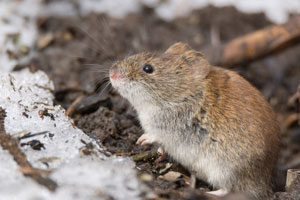
  • Roof
  • Vents
  • Screens
  • Vegetation
  • Gutters
  • Outside
  • Garage
  • Foundation


Winter Rodent Prevention

If after reviewing our 8-point checklist, you discover areas of your home needing repair, or more specifically, areas showing definite pest activity, the experts at Active Pest Control can help. We specialize in preventing pest problems before they begin, which is why we can help implement rodent control for your home for the winter. To learn more about protecting your home from rats and mice, give our team a call today!

Prevent Winter Pests in Your Home

A rodent is one of the many types of winter pests that may invade your GA home in the winter months - Active Pest ControlEveryone knows pests are a problem in the spring and summer months, but what about in the winter? Unfortunately, pests don’t disappear with the colder weather. In fact, many pests will look for ways to enter homes to escape the dropping temperatures, which is why infestations are common in Georgia winters. To protect your property from pest problems in the winter, it’s important to implement pest control and prevention.


Winter Pest Infestations

Certain insects will enter a state of diapause in the winter to wait out the cold months in favor of warmer weather. These include stink bugs, cluster flies, boxelder bugs, and Asian lady beetles. Other pests to be wary of in the winter months include:

  • Rats & mice. House mice and Norway rats in particular are known to squeeze their way indoors during the cold months.
  • Cockroaches. The German cockroach will hitchhike inside in boxes and can spread right under your nose.
  • Spiders. House spiders are typically harmless and can be found in dark, secluded areas of the home.
  • Bed bugs. Known to withstand extreme temperatures, bed bug problems are a threat during the winter.

How to Prevent Winter Pests

To protect your property from winter pests, it’s important to implement preventative measures into your home maintenance routine. This includes thoroughly inspecting your home on a regular basis to locate vulnerabilities. One of the most important measures you can take is to seal cracks and crevices outside your property to keep pests from making their way inside. In addition, you should place screens over vents and chimneys, store firewood away from your property line, promptly fix leaks or broken pipes, and keep a clean home to prevent winter pests.

Is Winter Pest Control Necessary?

Just like you, pests want to escape the cold temperatures during the winter. In their hunt for food and shelter, they may enter your home easier than you want to believe. It’s crucial to implement preventative steps to prevent pests in the winter. Active Pest Control can be trusted to help protect your property from winter pests and other pest problems throughout the entire year. Call our team today to learn more about our winter pest control services!

Fall Is Flea Season

Fall Is Flea Season in Atlanta GA - Active Pest Control

Did you know that late summer to early fall is flea season in GA?

These tiny blood feeders suck blood from mammals using tiny, straw-like mouth parts. Neither you nor your fur babies are safe from the bite of this pesky little creature.  If you have ever had the misfortune of being bitten by a flea, then you can appreciate the importance of good flea control.

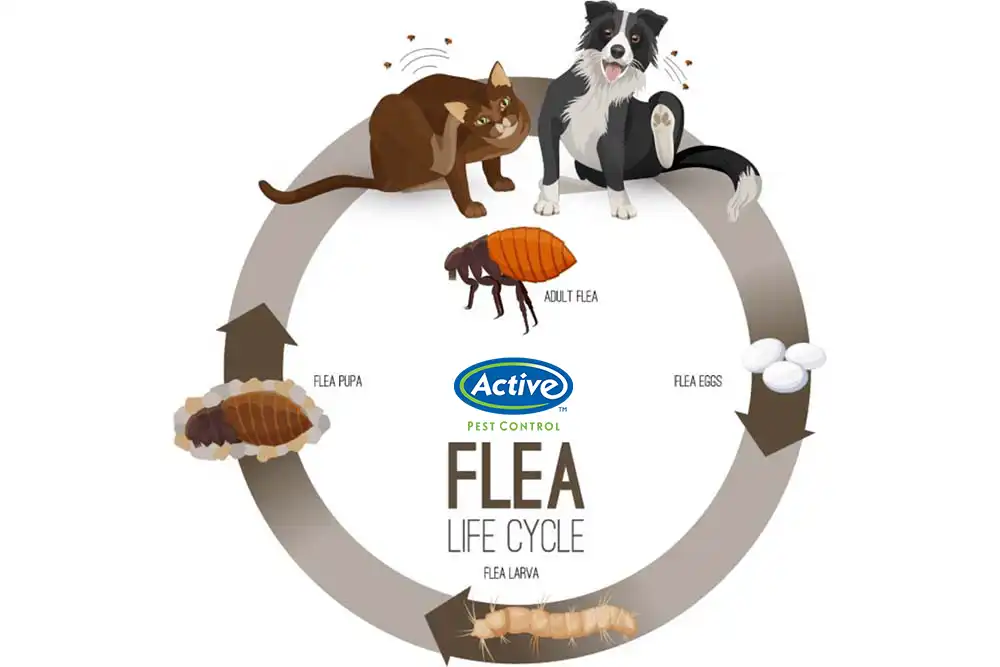
We are right in the middle of flea season outside. Fleas live, feed, and breed outside July through late October. If they find their way indoors on one of your beloved pets, they can start an infestation that will last year-round. Adult fleas spend almost the entirety of their life on their host. If your pets are not kept on flea and tick medication, fleas can easily make your pet that host. Not only do they feed, breed, and live on their host once they find it, they also defecate (poop) and lay their eggs on their host, too. When the host the fleas are living on stands up, moves, shakes, or scratches, the eggs and dried blood (aka flea dirt–aka flea poop) fall off into bedding, carpet, upholstery, etc. This is where the rest of the flea life cycle takes place.

Juvenile fleas (larval fleas) spend their entire life in whatever bedding or substrate they hatch on. They crawl around through the fibers or the soil and feed on the flea dirt of their parents. After growing several times, the larvae enter the next stage of their life: the pupal stage (a resting stage to undergo the drastic change from larva to adult). During the pupal stage, the fleas are almost impossible to control. Most of the products on the market cannot penetrate the hard casing of pupal fleas. This is why hiring a professional is vital to the eradication of these irritating critters. Professionals have been taught how and when to treat and exactly what steps need to be taken to control flea populations in the home. On the same token, this is why it is important to perform all of the steps asked of you by your pest control professional. Failure to follow their directions may make the problem worse…or fail to control it at all!

Besides their nasty, itchy bite, what is the big deal about fleas? Well, certain species carry and transmit the plague [also referred to as black death (black plague)]. If you aren’t familiar with the plague, let me provide a short, but informative, history lesson. The plague was a serious issue in Europe back in the mid-1300s when sanitation was way worse than it is now. Rats roamed the streets and carried fleas around with them. When these fleas would transfer from feeding on infected rodents to feeding on people, they would transfer the virus Yersinia pestis [aka the causative virus of the plague (of which there are three types: pneumonic, septicemic, and bubonic)]. This disease was so bad that it wiped out around 60% of Europe’s population in the 1300s (somewhere in the millions, if not hundreds of millions). So, we see how it got the ‘death’ part of its name, but where does the word black come from? That is a result of one of the lovely side effects of the septicemic version of the plague. In addition to a handful of other problems, it also causes the skin to start turning black, usually starting in the lymph nodes, because of gangrene. The pneumonic version is the most dangerous as it can be spread from person to person thru infected fluids, and the bubonic version forms giant lumps/nodules (buboes) in the lymph nodes closest to the bite site. While the plague may not be as big of an issue in the Eastern United Sates, the western hemisphere of the U.S. is still at risk. Fleas living on the prairie dog populations out west have continued to transmit the plague to humans; the CDC states that there are an average of 7 new cases a year.

In addition to the plague, fleas also transmit tapeworms to dogs and cats. The tapeworm that dogs and cats get from fleas is the flea (or cucumber) tapeworm (Dipylidium caninum). Infection happens when a dog or cat is chewing at the fleas on its skin and swallows a flea that contains a tapeworm larva. When the stomach acids break down the flea, the tapeworm emerges and begins its life cycle. As it matures into its adult form, the tape worm grows larger and develops numerous segments, called proglottids. Each one of the proglottids can break off and be expelled from the animal’s body as it defecates. If you see a proglottid in your pet’s excrement, take them to the vet immediately to be dewormed; be sure to keep pets on flea medication, because each of the proglottids contain eggs that can re-infest flea larvae, starting the cycle all over again when the larvae become adults. The only risk a flea would pose to a human is if the human were to accidentally swallow a flea infected with tapeworms. While it is not impossible, the chance that this would happen is astronomical!

If you want to avoid ever being put in these situations in the first place, flea and tick medication is an absolute must for your pets! Just a reminder that cats need flea and tick medication as well. If a cat contracts the plague, it can transfer the plague to a human when the cat coughs or sneezes. In addition, pest control providers can service your yard for fleas or come indoors to control flea infestations that have found their way inside. Keeping wild animals out of your yard is a good way to keep fleas from being present in the first place. Remove piles of wood, rubbish, or other debris that wild animals may use as shelter. Putting a fence around your yard can also help, but that can be a rather expensive solution. Keeping grass at a reasonable height (ankle height) is also a great way to keep your home flea free!

For more information on flea tapeworms, please check out the following link: https://www.cdc.gov/dipylidium/about/

For more information on the plague, please visit the CDC website.

If you are a bug nerd like me and want more information about fleas, check out this informative page from Ohio State University:

https://ohioline.osu.edu/factsheet/HYG-2081-11

Author: G. Wyatt West –A University of Georgia Graduate of Entomology


Why Relationships Are Important

Why Relationships Are Important in Atlanta GA - Active Pest Control

Where relationships matter.

Yes, this is just a business tagline….. but to us at Active Pest Control it means so much more. Our business is built around the premise of our relationships with our customers, our employees, and our community. We believe that relationships mean everything. We strive to practice this “tagline” in everything we do.

We help people in times of need on a daily basis. We are called in when our customers are facing destructive home invaders and when they are dealing with expensive home damage. We take our time with our customers and provide multiple options to them to help them make informed decisions. We are always upfront about our pricing and what our pricing includes. We don’t bury anything in our fine print or surprise our customers with hidden fees. We also list our pricing on our website, unlike our competitors. We strive to be transparent.

Yesterday, we found ourselves on the other side of need. Instead of providing help to our community, we were the ones in need of help. Our community was hard hit with 6 inches of rain in a short 5 hour period. We had to ground our entire service team for safety reasons due to the widespread flash flooding.

Unfortunately, one of our service vehicles was caught in the rising flood waters in Loganville, Ga. We immediately reached out to a local tow company in the area that could help us get our vehicle out. Whitlock Towing said they could get the vehicle out and back to our office with no problem. They were prompt and courteous. They attached a chain to the truck and pulled it 10 feet out of the water and towed it back to our office in McDonough. We were grateful to have someone help us in our time of need.

When the tow truck arrived to our corporate office, things quickly took a turn for the worse. When Whitlock Towing was unloading our vehicle we were presented with their bill. A bill for 3,000 dollars. THREE THOUSAND DOLLARS to pull a truck out of standing water and tow it from one side of metro Atlanta to the other. We understand that this wasn’t a normal tow. We understand that situation was not a normal circumstance. We also know what predatory business practice looks like, and Whitlock Towing was guilty of it. Pricing was never discussed. Extra fees were never explained to us. Whitlock Towing made sure that they provided the service in our time of need FIRST, before they discussed the exorbitant cost they felt their services were worth.

We want our customers to know that this is EXACTLY why our business is built around relationships. We want our customers to feel taken care of. We want our customers to make INFORMED decisions before spending their hard earned money.

We never want our customers to feel like we did yesterday. That’s why we are sharing this story publicly.

–Active Pest Control “Where Relationships Matter”

The Ghost of Christmas Tree Past

The Ghost of Christmas Tree Past in Atlanta GA - Active Pest Control

Issues stemming from Christmas trees can come back to haunt you even after Christmas is long gone! It all has to do with the disposal of the tree.

If you celebrated a fun Christmas season with a live tree then you need to find something to do with it after the holidays. For many people that is finding a nice spot of land on their property to throw the tree out. However, this can lead to some pretty big issues.

If you are not proACTIVE in the care you use to dispose of your tree, then you may have some issues come spring. In the months following December, your Christmas tree will transform from a lush green attraction to a dry withered husk. By the time March rolls around you will have a dead tree that is holding moisture against the ground and providing shelter to newly emerging insects. If you leave the dead and decaying tree near your home, you could pay the price.

Dead Christmas trees provide the perfect location for newly emerging insects to harbor, mate, relax, and more! If left near or against your home the dead tree can promote pest insects to venture inside. Furthermore, trees are a cellulosic material, which is the favorite snack of wood destroying organisms. You surely don’t want to promote termites or wood destroying beetles to venture into your home!

In addition to pests, termites, and other wood destroying organisms, that dead tree could provide the perfect home for rodents. With the presence of insects, moisture, and shelter will come rodents. It is an all you can eat buffet, with plenty to drink, and a safe location to take a rest. Once they are done the next stop could be indoors…your doors!

To avoid promoting pest insects, wood destroying organisms, and rodents from coming for an unexpected visit in your home, make sure you properly dispose of your tree. Use the following link for more information on proper tree disposal: http://www.pickyourownchristmastree.org/disposing.php

Don’t fret if you are receiving this information late; Active Pest Control will be here to help any time you need. Our trained and certified technicians are ready to handle any job big or small!

If you are ACTIVEly seeking help call the office today: 770-373-4341

Author: G. Wyatt West –A University of Georgia Graduate of Entomology

A Guide to Snakes in Walls

Snakes in the Wall in Atlanta GA - Active Pest Control

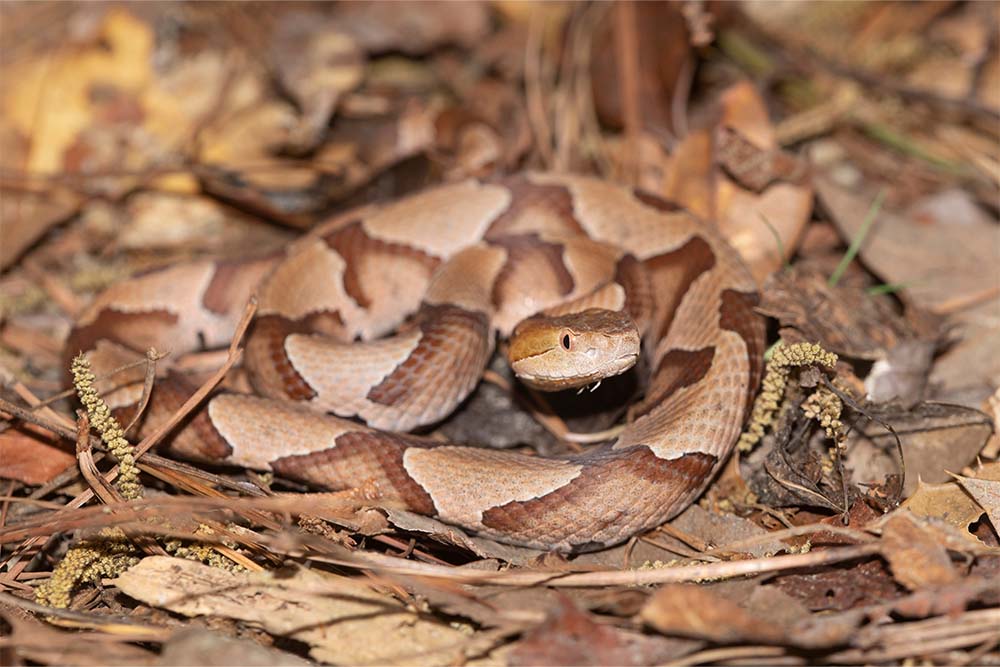
Hearing hissing in the wall might not be as uncommon as you think. Snakes that chase mice or rats into the home can often be heard slithering or hissing behind the drywall.

Snakes are not common invaders like rodents or insects, but that does not mean they will not find their way inside.

They are generally lured into homes due to conditions which would favor food sources, like rodents. Dampness, darkness, and rodent smell can be three factors that lure snakes inside.

The best way to get rid of snakes indoors (and rodents, too), is to bring in snake control experts.

How do you know if a snake is in the wall?

Not only can snakes be heard moving through the wall, but they can also be heard hissing or making other unusual noises.

Since snakes are skinny, they can fit into any cracks or crevices that any rodent can fit through. Dryer vents, improperly sealed doors or windows, open pipes sticking out of the home, cracks in brick or siding, gutters, and wire entries are just a few different methods snakes can use to gain entry into the home.

Snakes can be found in the attic or slithering through the walls in search of food. If you have a rodent issue in the home, your chance of seeing a snake inside will increase greatly. 

How long can a snake live in your walls?

If a snake finds its way into your walls, it can potentially survive for months. But it depends on the availability of food (including rodents) and water.

What to Do if a Snake Is in Your Walls

Sometimes, as homeowners, we can forget about areas like crawlspaces or unfinished basements. Be sure to keep a check on these areas to make sure you are not harboring any unwanted guests. If they can find their way under the home, they can find their way inside! 

Potted plants moved in from outdoors also need to be thoroughly checked for snakes and other unwanted visitors!

You can take certain precautions to deter snakes from coming indoors: seal entry points, make sure doors and windows have proper seals, keep the yard trimmed low, keep debris away from the home, cover vents with screen/mesh, and most importantly, if you have an issue with rodents, make sure you get that issue handled. Eliminating the food source will often eliminate the problem!

Snake Exterminators for Georgia Homes

If you do happen to come across snakes in the home, don’t try to handle them yourself. For more info on pricing and snake or rodent control, call our office today or fill out our contact form here. Let us take away your pests today!


Authors: G. Wyatt West – A University of Georgia Graduate of Entomology