
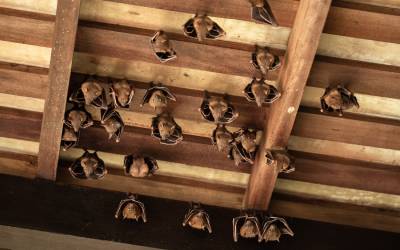
 No matter where you are—in the living room with your family or in bed at night—hearing noises and movement in your attic is frightening. While some may believe they are living the plot of a horror movie, the reality is that their home is being infested by nuisance wildlife. An attic is a popular place for wild animals to shelter, as they gain access to our homes through the roof. It goes without saying that no one wants animals taking up residence in their attic.
Our wildlife control experts understand the stress that wildlife problems can cause, especially if wild animals get into your home. Active Pest Control is here to provide all the information you need about potential infestations in your attic.
Common Animals That Infest Attics
Georgians are no strangers to wild animals roaming around their neighborhoods. But how do these animals get in? Animals that can gain access to your roof are likely to make their way into your attic if given a chance. These five pests are most likely to be found infesting your attic:
- Bats: Possibly the most dangerous attic dweller is the bat. Bat waste is toxic and can cause health risks.
- Birds: Hearing chirping noises or fluttering indicates you could have a nest of birds in your attic. They have a harder time leaving once they’re inside.
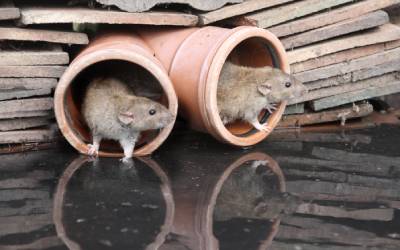
- Rats & mice: These rodents can make some of the loudest noises with their scratching, chewing, squeaking, and running. The roof rat is the most common rodent in attics.
- Squirrels: All types of squirrels can squeeze in through tiny openings and are feared for their ability to chew through wires.
- Raccoons: Female raccoons are known to nest in attics, and can come and go during the day and night. Chattering noises may indicate a nest of baby raccoons.
How Do I Get Rid of Animals in the Attic?
In the event that you think an animal lives in your attic, you shouldn’t go hunting for it on your own. When you try to get rid of the animal, bat, or bird on your own, you put yourself and your family at risk. If wild animals feel threatened, they may bite. This alone makes it important to hire a professional. When you work with a humane wildlife removal company, such as Active Pest Control, you can rest assured that the safest traps will be used to capture and relocate wild animals.
Certified Wildlife Removal Experts
At Active Pest Control, we understand how stressful it is to discover wildlife in your attic. Furthermore, wildlife poses a threat to your safety. Our animal removal experts will not only inspect your home thoroughly but will also put preventative measures in place to prevent wild animals from entering your attic in the future. Contact our wildlife experts today to learn more.
 Each season comes with its own kind of pest problems here in Atlanta GA. Differences in temperature, rainfall, plant growth, and even barometric pressure can affect the levels of pest activity and kind of active pests in the area. This means that taking the right steps to ward off pests takes different forms throughout the year, changing with the seasons. As we start to watch the vibrant colors of fall fade into winter, we can’t forget to adapt our routines to prevent newly-arising pest issues. Learn how with Active Pest Control!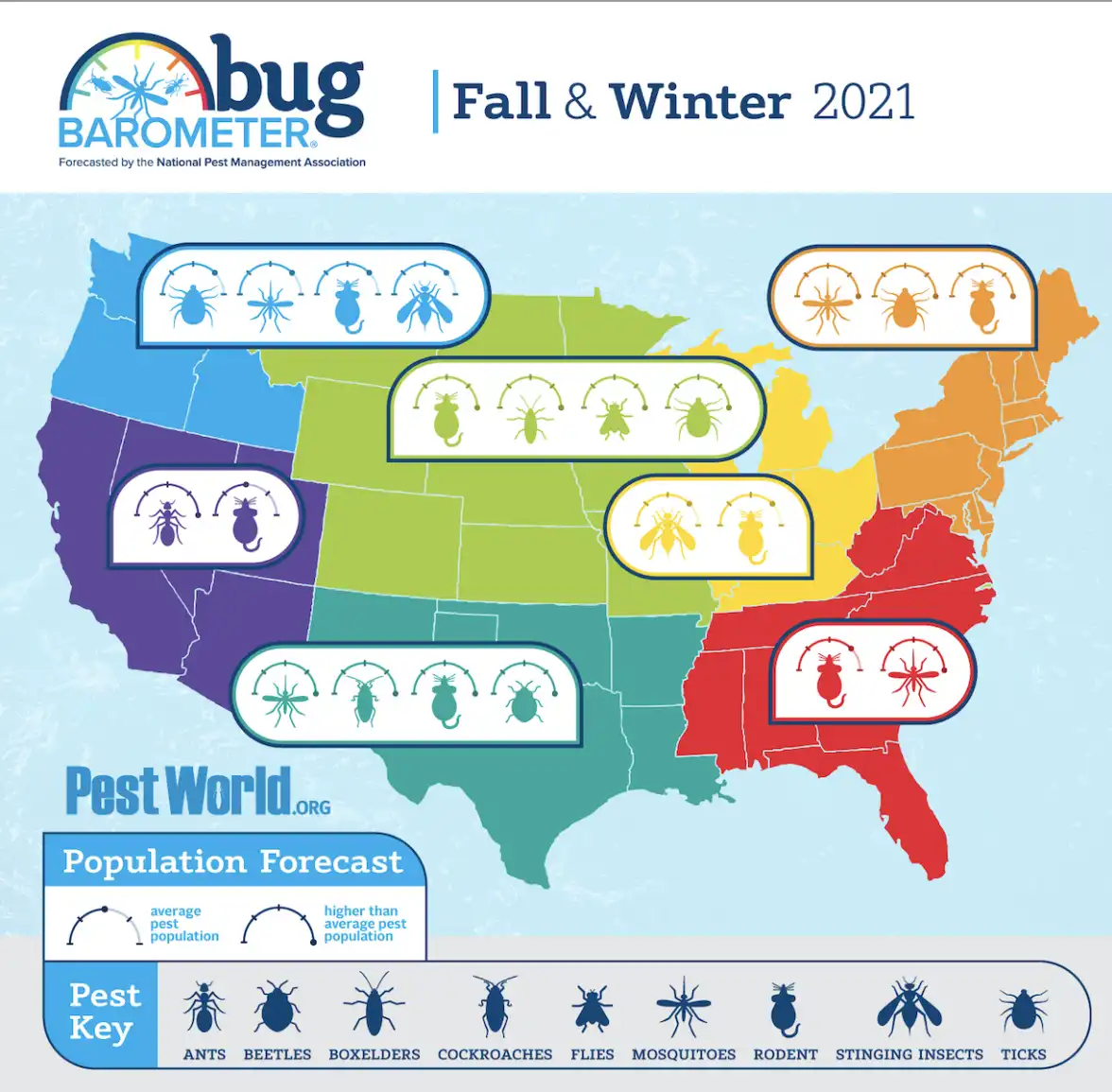
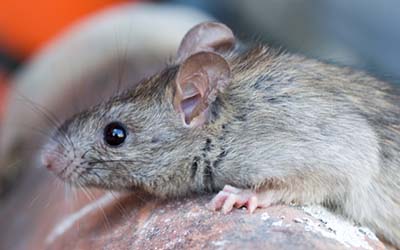 It’s fall, meaning it’s the season of the rodent! Every year in the fall and winter here in Atlanta, the number of rodent infestations goes way up. But why? As temperatures begin to dip this time of year, rat and mouse problems begin to get worse as the pests look for somewhere to bunker down for the winter. With
 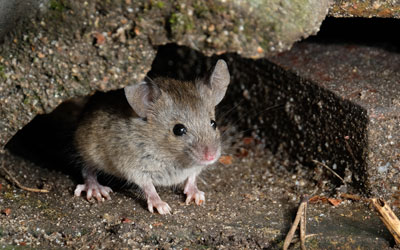 As two of the most common pest rodents, rats and mice cause a lot of trouble for Atlanta GA area homeowners. All types of rodents share a common identifying feature: their ever-growing incisor teeth. They also typically all possess short legs and a long tail, but their similarities stop there. In addition to having different characteristics, these rodents also exhibit different behaviors. A rat infestation can be much different than a mouse infestation, which is one of the reasons why it’s important to know how to tell the difference between these two. Read on for Active Pest Control’ guide to knowing if you are dealing with a mouse or a rat problem.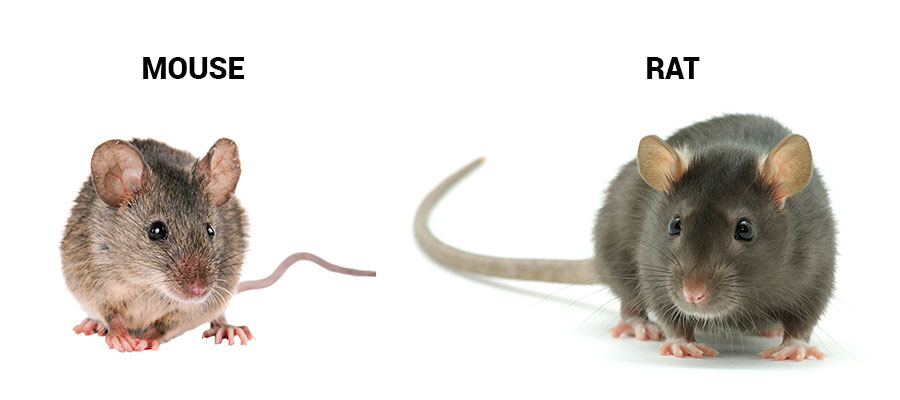
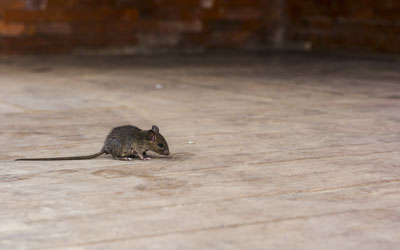 It’s Rodent Awareness Week, and rodent infestations are on the rise. Due to the pandemic, reports of rodent sightings have surged. But why? Back when the coronavirus hit and restaurants began to shutter, rats and mice were suddenly deprived of their food sources. Especially here in Atlanta, this led to more infestations as rodents entered residential homes in search of resources. With the seasons changing as we speak, rodents during the pandemic are even more inclined to be indoors this time of year to stay warm. With infestations on the rise during the pandemic, now is the time to learn how to effectively prevent rodent problems in your property. The team at Active Pest Control is here to help.
 A rodent infestation is any homeowner’s worst nightmare. Not only are they gross and messy—there are many dangers of rodents to be aware of!
  No one wants to deal with a mice infestation. Mice are a dreaded household pest because they spread disease and filth. Some of the signs you may have a
  Many people think pest problems only occur in the summer, but rodent infestations are very common in the winter! According to The National Pest Management Association (NPMA), 21 million homes in the U.S. are invaded by rodents each winter. As temperatures drop, rats and mice will look to make their way indoors for warmth and shelter. To avoid the diseases and destruction brought from rodent infestations, it’s important to implement rodent control into your home each year. Keep reading for Active Pest Control’s top tips for rats and mice prevention in the winter.
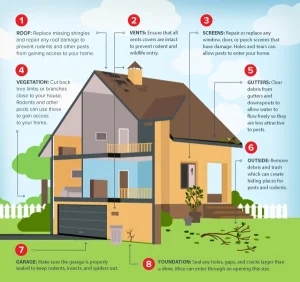 There are eight spots in particular around your property that are vulnerable to rodent intrusions. By routinely checking the following areas, you can locate where rats and mice may attempt to make their way indoors. It’s important to make any repairs promptly and, in general, keep a tidy home and yard to prevent rodents. The eight main locations to check and make repairs include:
 Everyone knows pests are a problem in the spring and summer months, but what about in the winter? Unfortunately, pests don’t disappear with the colder weather. In fact, many pests will look for ways to enter homes to escape the dropping temperatures, which is why infestations are common in Georgia winters. To protect your property from pest problems in the winter, it’s important to implement pest control and prevention.